Published on
November 4, 2025

The latest airline updates have revealed an exciting new service connecting Europe and China through a single, streamlined stop. This innovative route marks a big moment in aviation, cutting travel time to under 14 hours and introducing a new way for travelers to cross continents more efficiently.
A regional carrier is taking the spotlight by launching this new one-stop route, which links a major European capital to a bustling tourism hub in southern China. The connection passes through a Central Asia transit hub, allowing for smoother travel and better access between two growing aviation regions.
A Major Step in Aviation Network Expansion
This new route is more than just a flight—it’s a reflection of a wider aviation network expansion happening across Europe and Asia. Airports on both ends are investing in more long-haul capabilities, while airlines are experimenting with flexible, cost-effective ways to connect passengers without relying on mega-hubs.
Key details about this new service include:
Flight duration of less than 14 hours from Europe to southern ChinaOne short stop in Central Asia for refueling and operationsOperated by a regional airline expanding beyond its traditional marketsModern aircraft lineup featuring Boeing 737 MAX serviceFocused on tourism and trade connectivity between the two regionsThe Rise of the New One-Stop Route
For travelers, this new one-stop route offers a refreshing alternative to long-haul journeys that typically require multiple layovers. The route’s Central Asia transit hub has been strategically chosen for its geographic position, bridging East and West in a way that minimizes travel fatigue and maximizes efficiency.
Passengers can now reach popular Chinese destinations faster while experiencing a seamless mid-journey transition. It’s also a sign of how smaller airlines are stepping up to fill niche gaps in global travel networks, proving that convenience and affordability can go hand-in-hand.
Europe to China Connection Strengthened
The Europe to China connection created by this launch is a milestone for both business and leisure travel. The European airport involved has been expanding its international partnerships, aiming to become a stronger global gateway. Meanwhile, southern China’s destination city has seen a surge in inbound tourism, with local authorities supporting new international links to boost visibility and accessibility.
Officials in China have also emphasized the importance of routes like this in strengthening ties between Europe and Asia, both culturally and economically. As the region’s infrastructure continues to grow, these types of routes are likely to become even more common.
Modern Aircraft Powering Long Routes
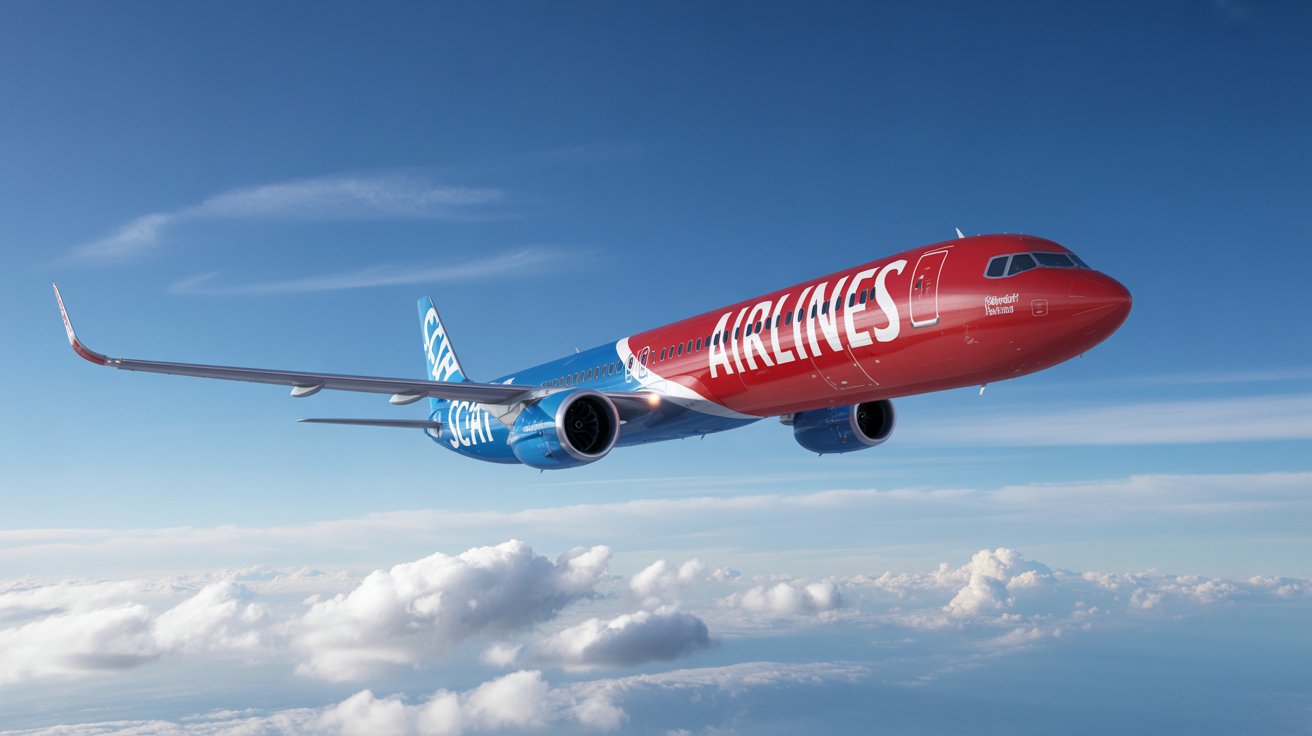
The airline’s decision to operate the flight using Boeing 737 MAX service is a strategic one. Traditionally seen as a medium-haul aircraft, the 737 MAX series is now redefining what’s possible for long-range travel. Its fuel efficiency, advanced design, and comfortable cabin make it suitable for these extended routes, helping the airline keep costs competitive while maintaining passenger comfort.
This use of a narrow-body jet for a long-distance connection reflects broader trends in aviation—where flexibility and efficiency are overtaking the old model of relying solely on large, wide-body planes for international routes.
Central Asia Transit Hub Becomes a Key Connector
The inclusion of a Central Asia transit hub in this route underscores a growing trend: regional hubs playing a major role in global connectivity. Traditionally overshadowed by large Middle Eastern or European hubs, Central Asian airports are now becoming vital connectors that link multiple continents.
This development benefits not only the airline but also the region itself. The hub gains visibility, international air traffic, and economic activity, positioning itself as a competitive stopover location for future long-haul travel.
A Glimpse Into the Future of Flight Connectivity
The latest airline updates surrounding this launch signal a shift in how airlines view global travel. Instead of relying only on high-traffic routes, carriers are identifying new corridors that serve underrepresented cities and emerging markets.
For passengers, this means:
More direct and efficient long-haul travel optionsShorter total journey timesAccess to new destinations beyond traditional major hubsCompetitive fares due to operational efficiencyWhy This Matters for Travelers and the Industry
For travelers, the launch of this new one-stop route makes the world a little smaller. Business travelers gain faster access between major economic zones, and tourists can explore new destinations with fewer transfers. For the aviation industry, this move represents a successful case study in balancing efficiency with expansion.
By optimizing its network and leveraging new aircraft capabilities, the airline demonstrates how smaller players can compete on a global scale. This model could soon inspire similar routes connecting other continents through unconventional hubs.
Looking Ahead
The continued rollout of routes like this highlights how airlines are adapting to evolving passenger needs and technology advancements. As new aircraft enable longer distances with lower costs, the aviation network expansion between Europe, Asia, and beyond will likely accelerate.
The latest airline updates show that innovation in air travel is no longer limited to major carriers or cities. Emerging hubs and regional airlines are reshaping how and where we fly—offering more options, shorter journeys, and a more connected world than ever before.
Final Takeaway
This new service exemplifies the changing face of international travel: efficient, accessible, and globally connected. From Europe’s growing gateways to China’s thriving tourism centers, the latest airline updates reflect a clear message—aviation is evolving fast, and passengers stand to gain the most from it.
