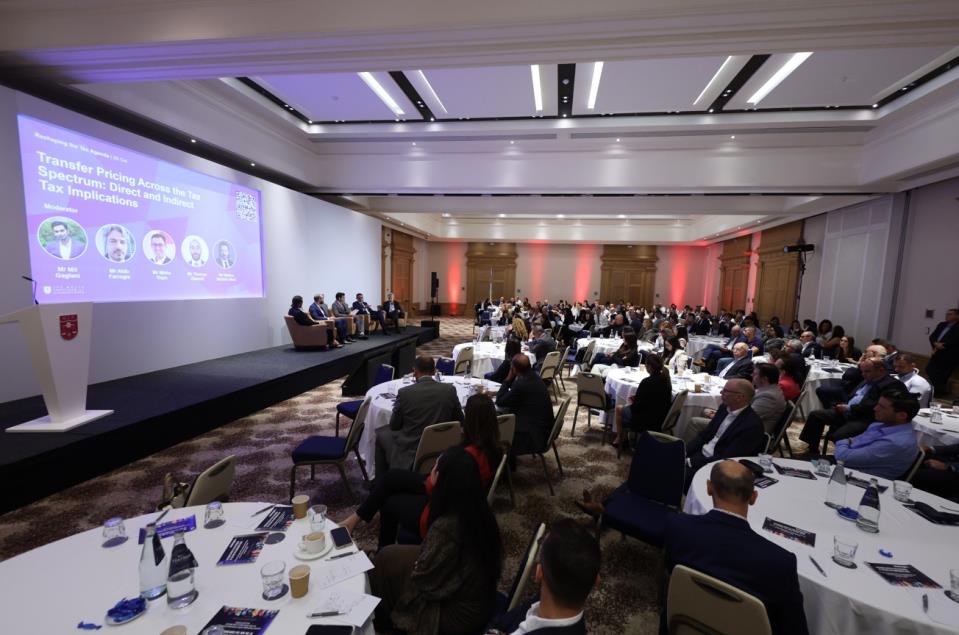

The Malta Institute of Accountants (MIA) has called for effective implementation of policy measures and stronger consultation when new initiatives are announced, insisting that meaningful reform must go beyond proposals and translate into practical, well-executed change.
Speaking at the Institute’s annual Tax Conference, MIA CEO Maria Cauchi Delia emphasised that policymaking must be grounded in proportionality and dialogue. “Good policy is only as strong as its implementation,” she said, urging policymakers to ensure that reforms are properly studied and discussed with stakeholders. “Only through genuine consultation can we ensure that reforms strengthen, rather than hinder, Malta’s competitiveness.”
MIA President Jonathan Dingli called for policy that promotes sustainable growth and upholds Malta’s standing as a trusted and competitive jurisdiction. He underlined the accountancy profession’s role in looking beyond immediate measures and assessing how fiscal and regulatory reforms contribute to Malta’s broader economic objectives. “As a profession, we must be forward-looking, seeing how these reforms fit within a wider economic narrative, one that strengthens Malta’s credibility and fosters innovation rather than hinders it,” he said.
A key message that emerged through various engaging discussions was that while taxation remains a key pillar of Malta’s economic competitiveness, it cannot be the sole focus. Sustainable, long-term growth requires a broader, forward-looking approach that anticipates the country’s changing realities. In this regard, the Institute also presented its reaction to the Government’s Malta Vision 2050 proposal, emphasising that the Vision must be rooted in a clear understanding of demographic trends, shifting economic priorities, labour market requirements, and infrastructure needs.
Speakers and participants explored how taxation is evolving in Malta amid key local developments and broader European and international trends, shaped by shifting global policies, compliance requirements, and geopolitical pressures. Discussions focused on the growing complexity of transfer pricing, the uncertainty surrounding the implementation of Pillar 2, alongside key fiscal measures from the national budget. Speakers stressed the importance of understanding taxation within a wider economic and strategic perspective. Breakout sessions offered practical insights into corporate taxation, VAT and indirect taxes, and the links between tax policy and sustainability, giving participants a comprehensive view of the most pressing issues for the profession.
Among the keynote speakers was Tax Commissioner Joseph Caruana, who highlighted the link between tax collection and economic sustainability, fairness and public trust. He outlined the strategic direction for the coming year, emphasising a vision for a modern revenue administration built around five core objectives: digitally enabled revenue collection; a robust compliance management framework balancing enforcement with service; facilitation of lawful trade and border protection; enhanced national and international cooperation to safeguard Malta’s reputation as a trusted jurisdiction; and becoming an employer of choice by improving staff autonomy, recruitment, and professional development.
The 2025 Tax conference was supported by Scope Solutions.