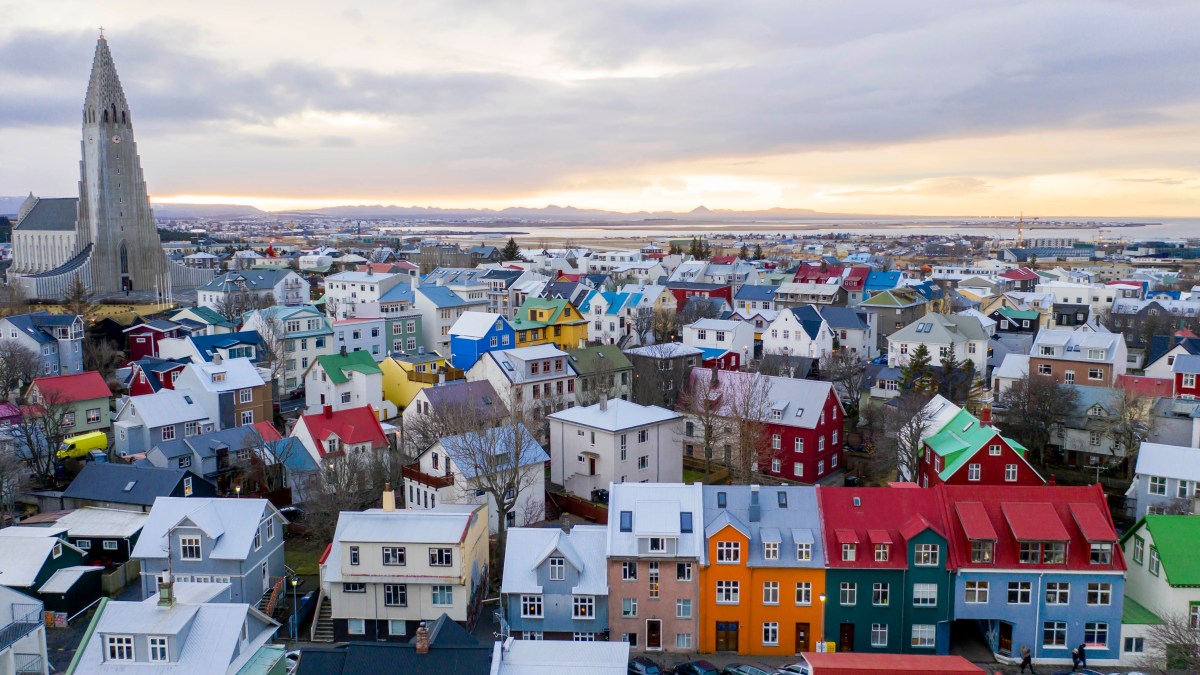
There are few countries that have caused less trouble to their neighbours than Iceland over the past millennium.
The island nation has not had a standing army since 1869 and, aside from some argy-bargy with British cod trawlers a century later, it has waged no armed conflicts since the 1500s.
Despite being a founding member of Nato, its contributions to the alliance have largely been limited to hosting other countries’ armed forces and providing civilian support to its missions.
One Australian research institute has put Iceland in first place on its index of “peaceful” states for each of the past 17 years. Now, though, there are signs that the wind is shifting. As the Arctic ice melts, Russian and Chinese ships sail through the high north with ever greater frequency and Russian submarine activity intensifies in the upper latitudes of the Atlantic, the taboo around militarisation is weakening.
A campaign group, Guardians of Iceland, argues that the country needs to constitute a small, flexible defence force of 2,000 soldiers to protect its critical infrastructure in an emergency and secure an initial line of defence until Nato reinforcements show up. It also calls for mass military training to provide a reserve of up to 40,000 people — a tenth of the population — that could be mobilised in a crisis.
“We envision a defence capability built on a small land force, a national reserve and a civil defence and resilience framework, working in close co-operation with the coastguard and our international partners,” said Arnor Sigurjonsson, a defence expert who founded the initiative with Dadi Freyr Olafsson, an IT specialist. “Such a structure would provide credible deterrence, rapid crisis response and greater self-reliance within Nato.”
For now, the government is not willing to go quite so far. Yet the foreign ministry has tasked MPs with laying the groundwork for the country’s first formal defence strategy. Several weeks ago a committee warned in a report that Iceland’s geographic isolation was no longer a barrier to war and the country would inevitably be sucked into any European conflict involving Nato.
It pointed to the island’s dependency on submarine cables, which are vulnerable to Russian sabotage, and the strategic importance of the area of ocean known as the Greenland-Iceland-UK gap, the sea route into the Atlantic for Moscow’s Northern Fleet. Other Nato allies have begun to take an interest. A fortnight ago Boris Pistorius, the German defence minister, visited Reykjavik, the capital, and signed a joint “letter of intent” covering areas such as joint military planning and procurement.
Kristrun Frostadottir, the Icelandic prime minister, said President Trump had told her he was “very aware of our defence situation” and her country’s 1951 security agreement with the US, as he focuses on the northern approaches to the American mainland.
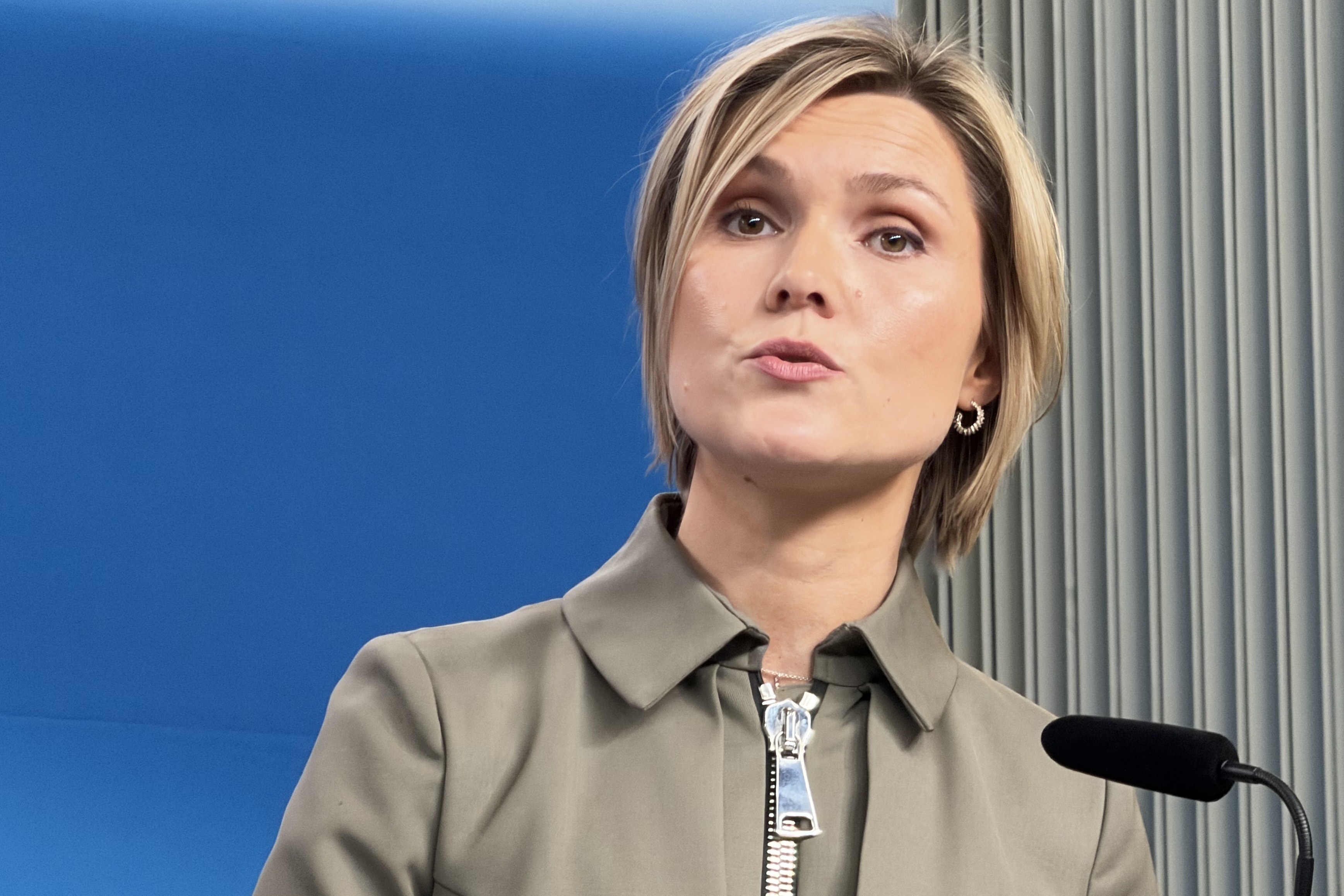
Kristrun Frostadottir, the Icelandic prime minister
ATILA ALTUNTAS/ANADOLU VIA GETTY IMAGES
Bjarni Mar Magnusson, professor of international law at Bifrost university in the island’s northwest, said many Icelanders had been startled by the recent drone disruption over Copenhagen airport, which serves as the country’s chief gateway for travel to the rest of Europe. “The rise in public and political discussion concerning security and defence in Iceland is driven by a combination of factors, including Russia’s invasion of Ukraine, pressure within Nato to increase defence spending and its consequent impact on Europe, as well as President Trump’s [threats to annex the neighbouring Danish territory of] Greenland,” Magnusson said.
Sigurjonnson, of the Guardians of Iceland initiative, pointed out that the country had no air defences or counter-drone systems. “We have no tools in our toolbox to respond to an incident like this,” he said.
However, Frostadottir poured cold water on the discussion at a summit in Reykjavik three weeks ago, saying: “I don’t think we will see an Icelandic army in my lifetime.”