Published on
November 5, 2025

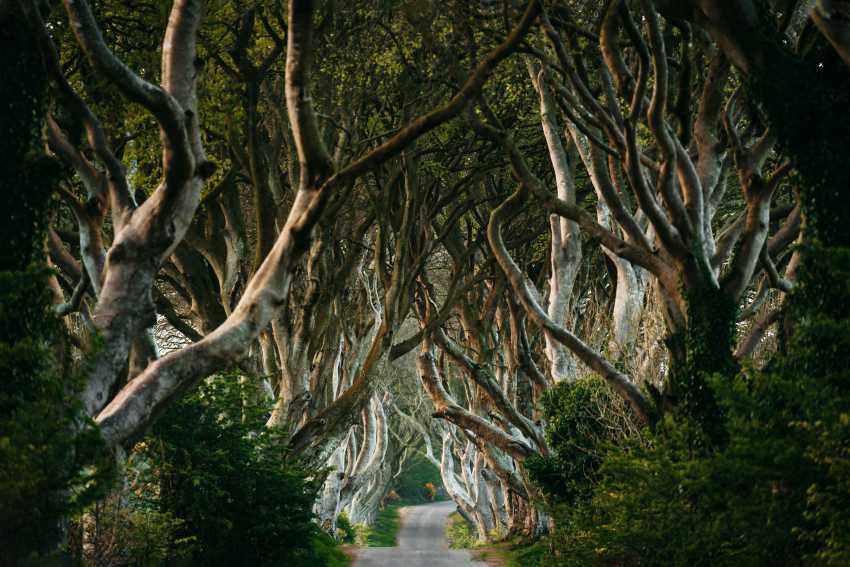
One of the most famous and frequently photographed natural locations worldwide is the Dark Hedges, which are situated along Bregagh Road in County Antrim, Northern Ireland. Its remarkable 18th-century beech tree row has come to represent the nation’s natural beauty and legacy. The Dark Hedges, a must-see destination on the Antrim Coast, is well-known throughout the world for its portrayal of the King’s Road in the hit television series Game of Thrones. However, due to the rapid decline caused by both environmental factors and human activity, this beloved landmark is currently facing unprecedented threats.
The Increasing Threats to the Dark Hedges
The Dark Hedges has long been vulnerable to the forces of nature, but recent events have highlighted just how fragile the site has become. A recent storm, accompanied by a yellow weather warning for high winds, caused severe damage to one of the trees along the avenue. The strong gusts of wind not only knocked down branches but also exposed the decaying state of the trees, many of which are in poor health due to age and environmental stress. While these trees have survived for centuries, their future looks increasingly uncertain without significant intervention.
The Dark Hedges’ problems are not limited to weather-related damage. The trees, which were originally planted as part of a grand avenue leading to Gracehill House, are over 200 years old. The natural process of decay, combined with heavy storms, has taken its toll. Experts believe that many of the trees are at the end of their lifespan, and some may not survive much longer without immediate action. Furthermore, the root systems of the trees have been damaged by constant foot traffic, parking, and even large tour buses, all of which have contributed to the weakening of the trees. The site’s popularity, particularly due to its association with Game of Thrones, has inadvertently added to the pressure on this delicate landscape.
Safety Concerns and Calls for Action
Given the current state of the trees, safety has become a major concern for both visitors and local authorities. The recent storm damage has intensified fears that a falling branch or even a whole tree could cause serious injury or fatalities. In fact, local campaigners have warned that unless stricter safety measures are implemented, it is only a matter of time before such an incident occurs. Despite these warnings, little has been done to address the growing risks to public safety at the site. Visitors continue to flock to the Dark Hedges, often disregarding the potential danger, particularly in poor weather conditions.
One of the main concerns raised by local campaigners is the lack of adequate safety measures. While the area has become a popular tourist spot, there have been no public safety notices, barriers, or signs warning visitors of the risks posed by unstable trees. The lack of infrastructure to protect both the trees and the public is evident, and it is becoming increasingly clear that something must be done to safeguard the future of the Dark Hedges. Without greater attention to public safety, the site risks becoming not only a national heritage loss but also a potential tragedy waiting to happen.
Visitor Pressure: A Double-Edged Sword
While tourism has undoubtedly brought attention to the Dark Hedges and contributed to its status as a global attraction, it has also had negative consequences. The site’s popularity, driven in part by its Game of Thrones fame, has led to a significant increase in foot traffic, parking issues, and large tourist groups. All of these factors have contributed to the degradation of the trees and the surrounding landscape.
The damage caused by visitors is particularly evident in the erosion of the soil around the trees’ root systems. With large numbers of people walking along the avenue, the delicate balance of the ecosystem has been disturbed. Additionally, the constant movement of vehicles in the area has compacted the soil, further harming the trees’ ability to absorb water and nutrients. The high volume of tourism has also led to increased littering and general wear and tear on the site, further exacerbating the environmental strain on the Dark Hedges.
The situation is made even worse by the fact that there are currently no effective management strategies in place to regulate visitor numbers or manage the impact of tourism on the trees. While some efforts have been made to limit access during extreme weather events, such as advising visitors to stay away during storms, these measures have often been insufficient. More comprehensive visitor management strategies are needed to strike a balance between allowing people to experience the site while ensuring the preservation of the trees and the safety of the public.
The Preservation Challenge
In response to the deteriorating condition of the Dark Hedges, calls for immediate action have grown louder. Local conservation groups and heritage organisations have urged the government and local authorities to implement a comprehensive preservation plan. The preservation of the Dark Hedges will require a multifaceted approach, combining tree restoration, visitor management, and financial investment.
One of the most pressing needs is the restoration of the damaged trees. Experts have suggested that a large-scale replanting programme is necessary to fill the gaps left by fallen or damaged trees. This replanting would help to ensure that the iconic avenue remains intact for future generations. However, this will require significant funding, which has been lacking in recent years. Despite the cultural and economic importance of the Dark Hedges, conservation efforts have been hampered by a lack of government support and funding for heritage projects.
In addition to replanting, a more sustainable approach to tourism management is needed. Stricter controls on visitor access and parking should be implemented to reduce the impact of tourism on the site. Measures such as designated walking paths, improved signage, and clearer safety guidelines could help to protect both the trees and the public. Furthermore, greater efforts should be made to educate visitors about the importance of preserving the site and minimising their environmental impact.
A Race Against Time
The future of the Dark Hedges is hanging in the balance. While the site remains a breathtaking and culturally significant landmark, its survival depends on the collective efforts of local authorities, conservation groups, and the public. The time to act is now. Without intervention, the Dark Hedges could disappear entirely within the next 15 years, as some experts have warned. The trees, once a magnificent symbol of Northern Ireland’s natural beauty, could become little more than a memory.
As the Dark Hedges continue to face threats from both nature and human activity, it is up to all of us to ensure that this remarkable site is preserved for future generations. The road ahead may be difficult, but with the right care and attention, the Dark Hedges can continue to stand as a testament to the enduring beauty of Northern Ireland’s landscapes.
Conclusion
Though its future is uncertain, the Dark Hedges hold great cultural, historical, and natural significance. The site is in a vulnerable state as a result of the combined effects of environmental deterioration, visitor impact, and inadequate management. To safeguard the visitors’ safety, maintain the landscape, and protect the trees, immediate action is required. The Dark Hedges can continue to be one of Northern Ireland’s most cherished landmarks for many years to come with the correct investment in conservation and visitor management. But if nothing is done right now, the Dark Hedges might disappear forever.
