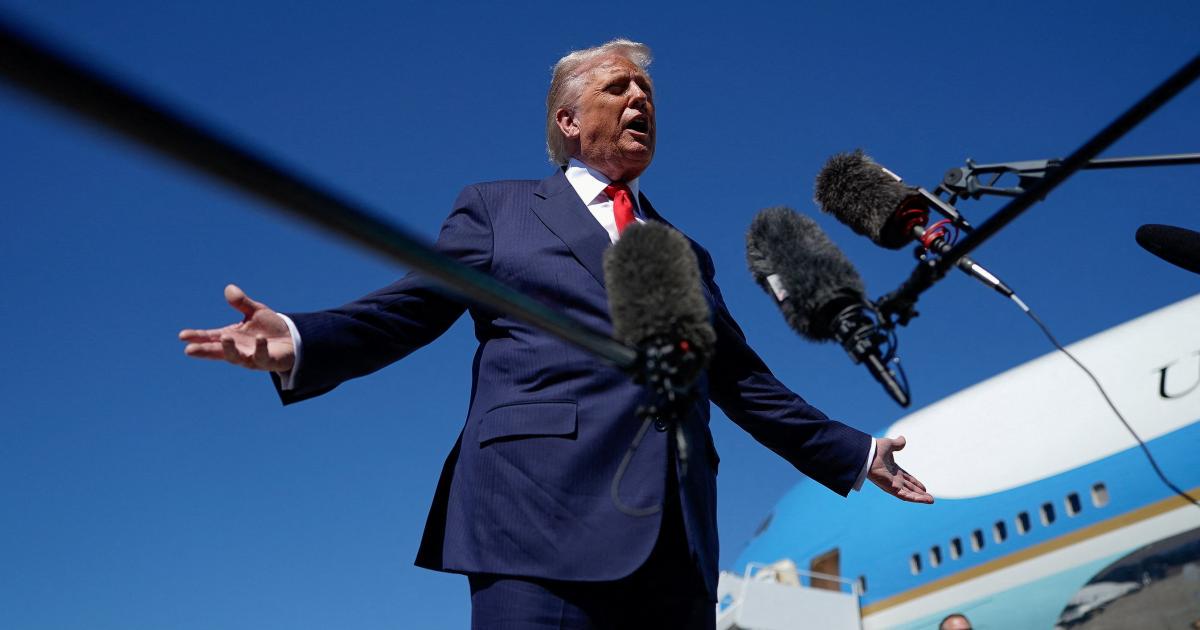
[SS from essay by Robert C. O’Brien, Chairman of American Global Strategies, a geopolitical advisory firm. He served as U.S. National Security Adviser from 2019 to 2021.]
Last year in Foreign Affairs, I outlined a framework for a second Trump administration foreign policy that would restore the “peace through strength” posture that prevailed during Donald Trump’s first term as president. This vision of “America first” stood in stark contrast to the foreign policies pursued by the Obama and Biden administrations and the approaches advocated by influential Democratic strategists during the 2024 presidential campaign. Broadly speaking, they believe that the United States is in decline, and that this process must be skillfully managed through a variety of steps: unilateral disarmament (via gradual but significant cuts to military spending that harm readiness); apologizing for putative American excesses and misdeeds (as when, in 2022, Ben Rhodes, who had served as a deputy national security adviser in the Obama administration, wrote that “historians will debate how much America might have instigated” Russian President Vladmir Putin’s aggressive acts, asking whether the United States had been “too triumphalist” in its foreign policy); appeasement (including ransom payments to Iran thinly disguised as humanitarian sanctions relief); and the partial accommodation of the desires of U.S. adversaries (as when, in January 2022, President Joe Biden suggested that Russia would face less significant consequences if it launched only a “minor incursion” into Ukraine instead of a full-scale invasion).
In 2024, having experienced 12 years of foreign policies predicated on these views, in contrast to four years of Trump’s “America first” foreign policy, the American people overwhelmingly chose strength over managed decline and went with Trump. Ever since, Trump has been using U.S. economic, diplomatic, and military power to deliver on every aspect of his foreign policy agenda. He has demonstrated that strength begets peace and security.
https://www.foreignaffairs.com/united-states/case-trumps-second-term-foreign-policy
Posted by ForeignAffairsMag
5 comments
[removed]
He’s basically destroyed the world’s trust in America. That ain’t good for business. Then again… nothing he’s done in his business life was good for his businesses either
On one hand, this is more reheated “give war a chance” Neocon talk.
On the other, the Biden admin “managed escalation” just plain didn’t got anything done since it seems like there was no macro vision besides “play for time until the problem goes away”. That, uh, didn’t worked, to say the least.
It just seems that all the discussion on what the US foreign policy as a whole and what should be the US role in the world seem to be happening on the right-wing side, between spheres of influence realism vs. full isolationism. Dems just aren’t showing up on the discussion. What that tells to the world is that, if they want US aid, better get it now and settle things as much as you can before an isolationist gets elected.
“Interesting” read, but I feel like this is a very premature take.
For example, about the cease-fire between Israel and Hamas, that didn’t pan out well at all. Or the rumor that Vietnam is buying F-16s, which is laughable if one knows even just a bit about Vietnamese geopolitics. Hell, the 1945 website is not a reputable source to the point that r/LessCredibleDefence had to close the thread. Even Redditors know it’s ridiculous, but apparently a guy for decades advising the government on foreign policy doesn’t.
Do things seem all that stable right now?
Comments are closed.