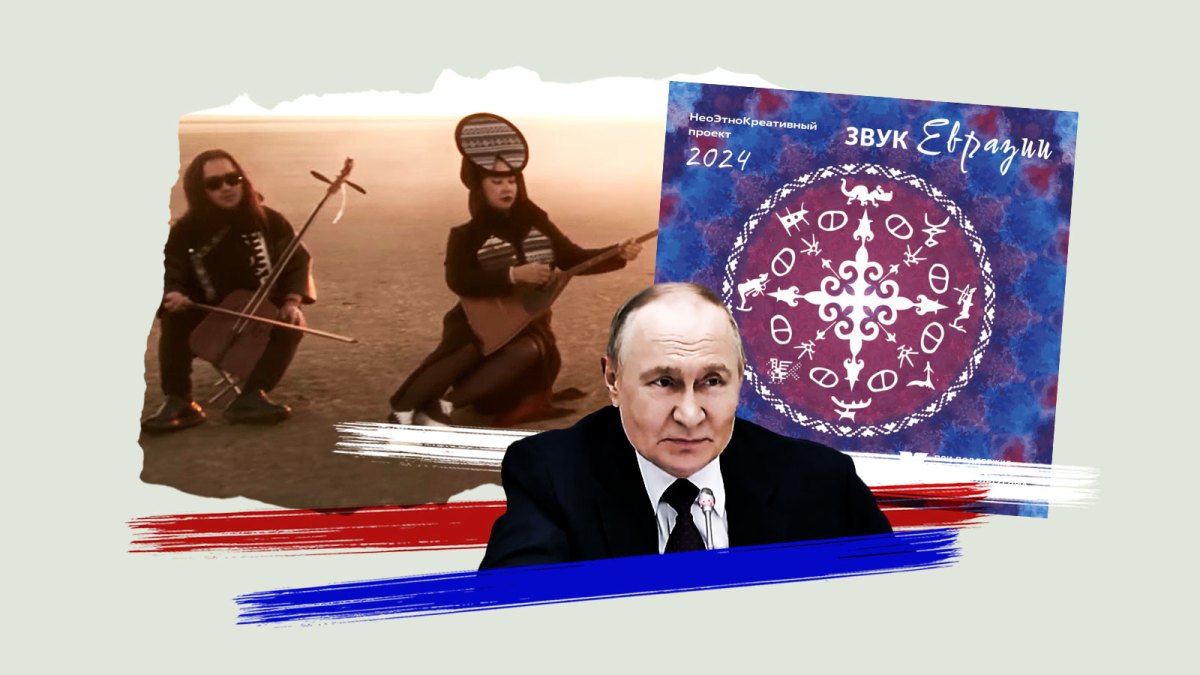
President Putin is not known to be keen on modern takes on the music of Russia’s ethnic minorities in the styles of rap and punk. Instead, he is more associated with the nationalist anthems that have provided the soundtrack to his war in Ukraine.
So it was something of a surprise when he was presented at the Kremlin with a double album called The Sound of Eurasia featuring tracks from Kalmykia, Europe’s only Buddhist region, and Tuva, a region in Siberia that is known for its throat singers.
“I would like to gift you this double vinyl album that we have released,” said Margarita Lyange, a member of the Kremlin’s ethnic relations council, holding up the record. “It contains the best songs of Russia’s ethnic group in completely modern styles, [including] Kalmykia electro-punk.”
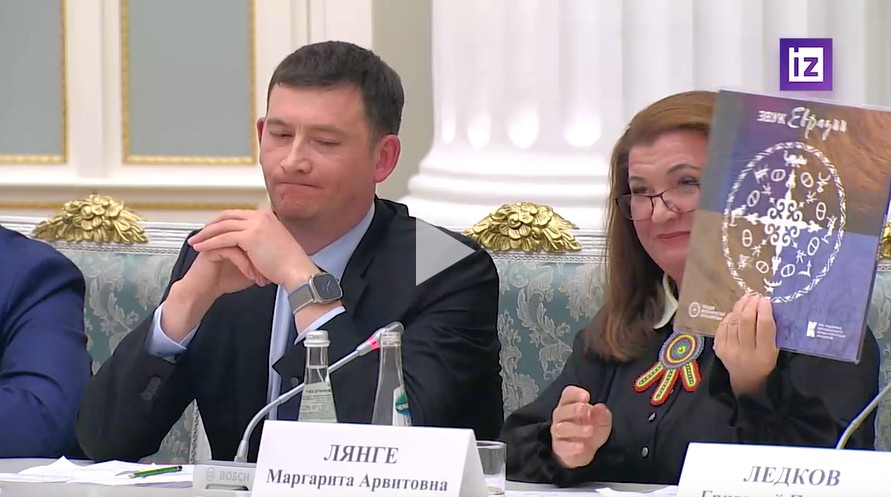
It was believed to be the first time that the words “electro-punk”, a musical genre that was popularised by Suicide, a New York-based duo in the 1970s, had been uttered in the Kremlin since its construction in the medieval era.
“Thank you. Thank you very much,” Putin replied.
The album, which was released with the support of the Russian state, also featured music from Russia’s Evenk and Mari El regions. There are over 180 ethnic groups in Russia and the Kremlin is keen to portray an image of ethnic unity.
However, residents of impoverished regions such as Tuva and Buryatia, another Buddhist region, have provided disproportionate amounts of troops to Ukraine. Hundreds of Russian musicians who oppose the war have been forced to flee the country and many have been designated as “foreign agents”.
Last month Stop Time, a group of Russian buskers who performed songs by banned musicians were arrested by police in St Petersburg.

Diana Loginova and Alexander Orlov from Stop Time at court in St Petersburg
ANTON VAGANOV/REUTERS
The group’s shows had gone viral after videos were posted of them playing songs such as Swan Lake Co-operative by the exiled Russian rapper Noize MC, which openly calls for Putin’s removal from power. The group’s members, led by Diana Loginova, an 18-year-old music student, were charged with organising an illegal gathering and hooliganism and sentenced to almost a month behind bars. A number of other musicians across Russia were also arrested after performing similar songs in support of Loginova and her bandmates.
They remain in custody and there are fears they could also be charged with “discrediting” the Russian army over their performance of a song called Soldier by Monetochka, an exiled pop singer.
• Russia’s biggest rock star: I may never go home
The song contains the lines, “whatever war you fight in/ forgive me, I’ll be on the other side”.
The electro-punk song that Lyange referred to was by a group from Kalmykia called Hagrin whose title, Polyn, translates to Wormwood.
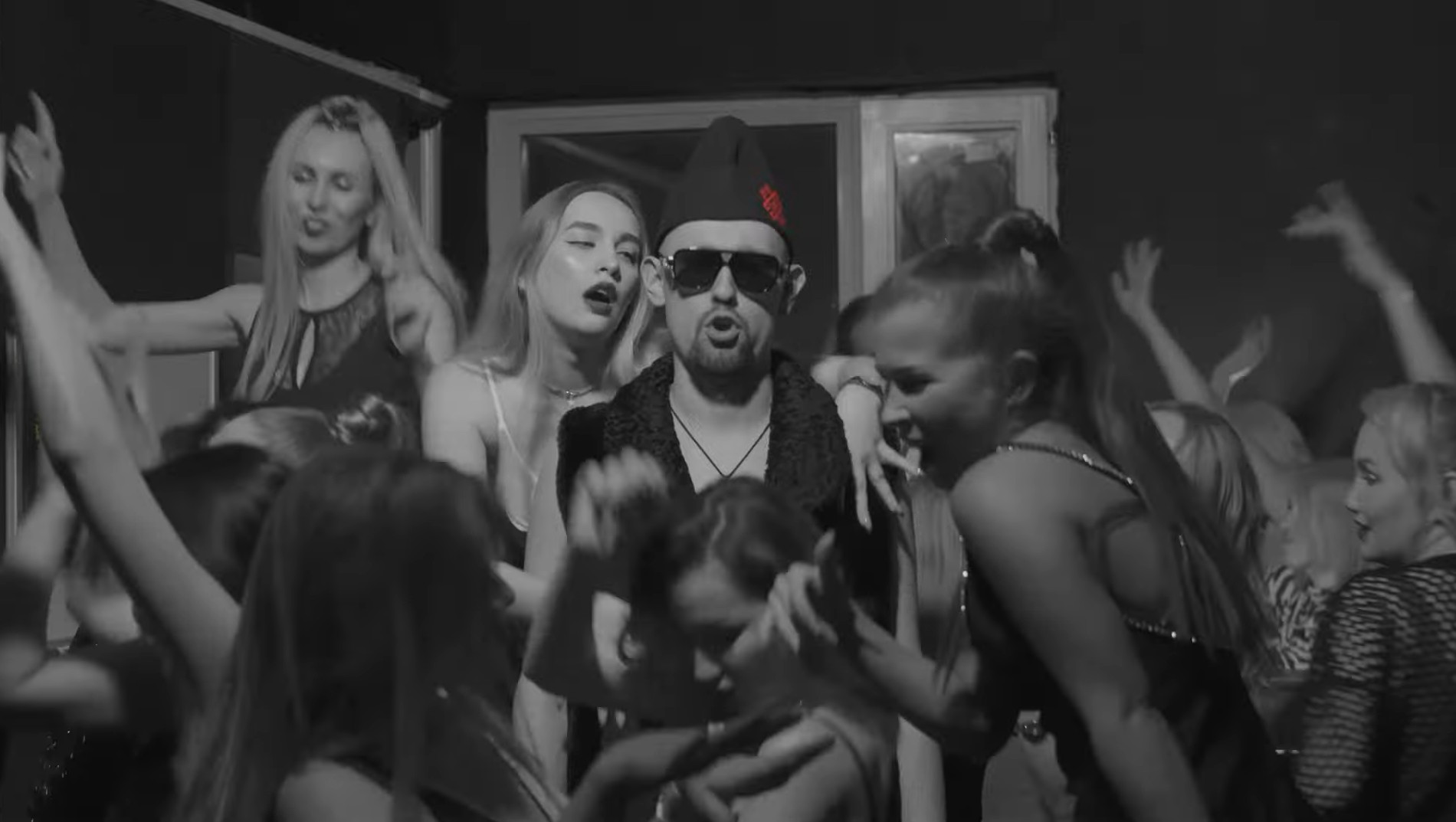
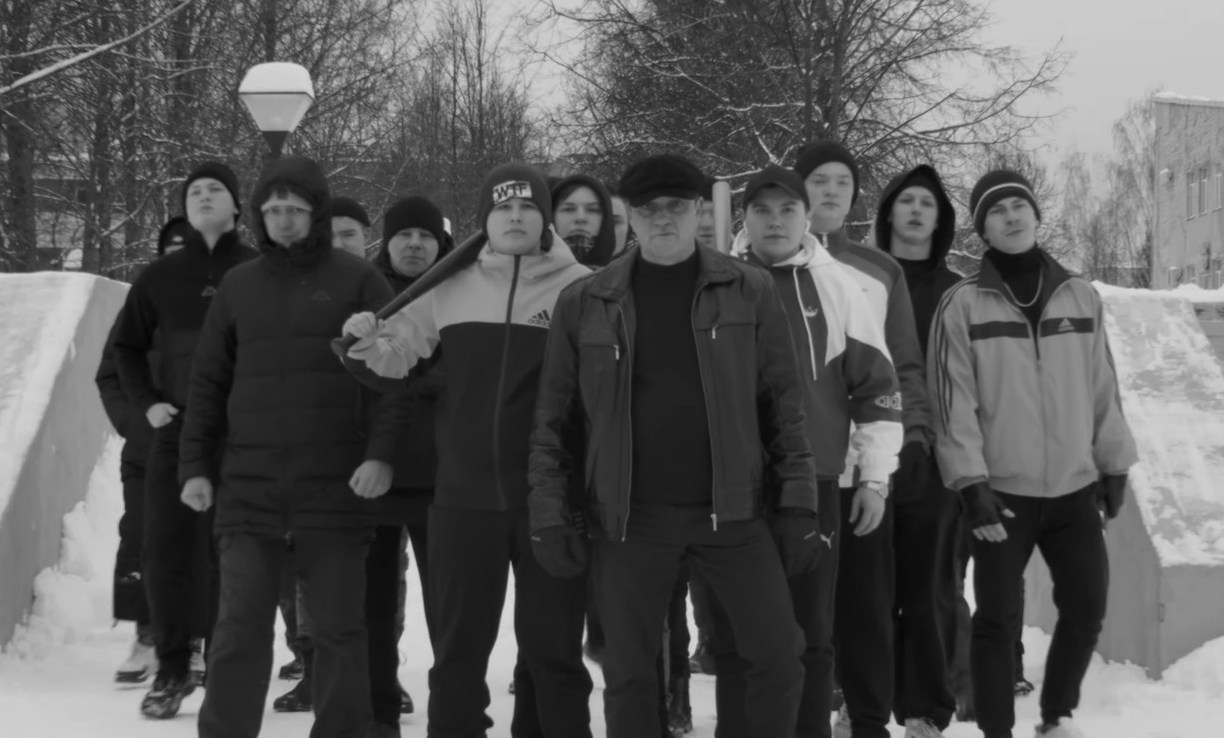
The album also featured a track by a rap group called Shyp Lii from Mari El. A video for a song by the group that was released last year featured gang members and the lyrics: “I walk into the club, my eyes are shining, and I kick down the door.”
Putin is claimed to be a fan of some modern Russian bands, however. When he is not overseeing the invasion of Ukraine or issuing nuclear threats, the Russian leader enjoys listening to Lyube, a nationalist rock group, whose music is allegedly played during torture sessions in the Kremlin’s prisons.
Lyube earned the rouble equivalent of £550,000 from Kremlin-sponsored concerts during the first 16 months of Russia’s all-out war in Ukraine, according to Agentstvo, a Russian investigative website. The group’s lead singer, Nikolay Rastorguyev, is a member of Putin’s ruling United Russia party.