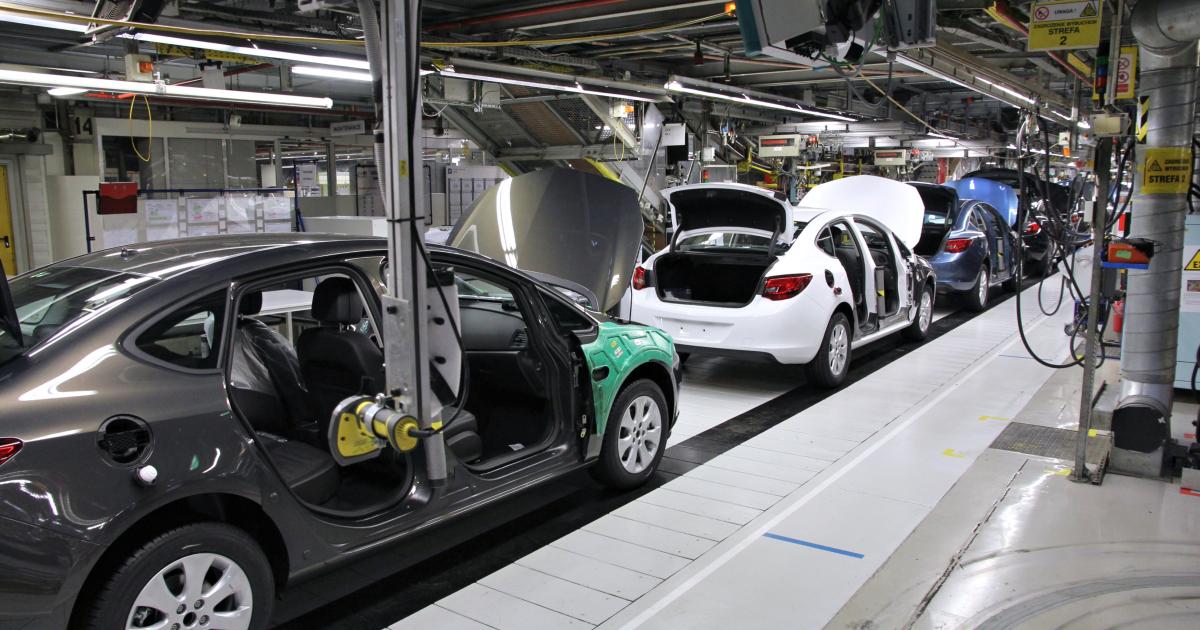
From bumpers to dashboards, road vehicles carry a wide range of plastic components that make up 14-18% of their mass. In the EU, the automotive sector is the third greatest consumer of plastic for manufacturing new products, accounting for about 10% of total demand. Despite the push towards a circular economy, at present only an average of about 3% of the plastic in new vehicles is made of recycled plastic, although some models may include up to 20%1.
There are several barriers to increasing the uptake of recycled materials in vehicle manufacturing, and further challenges facing the recycling of plastic components at a vehicle’s end. An updated EU end-of-life vehicles regulation (to replace the EU Directive 2000/53/EC) is being developed, which aims to promote circularity in design and production, including plastic parts, in line with the European Green Deal and the Circular Economy Action Plan.
To provide insights and recommendations to inform the development of the new regulation, researchers from the European Commission’s Joint Research Centre (JRC) looked at the plastics supply chain in the automotive sector. They reviewed the literature and interviewed experts, workers, industry associations, manufacturers and plastic recyclers, as well as the plastic supply chain from raw materials through to moulded component suppliers and vehicle recycling.
They found that the majority (about 80%) of recycled plastic used in new vehicles is generated during industrial processes, not at the consumer end; this pre-consumer waste tends to be more homogenous and easier to recycle than plastic which has been used by consumers. While original equipment manufacturers in the middle of the supply chain are accountable for 5.2 million tonnes of plastic use per year as they assemble vehicles, only 109,000 tonnes of post-consumer recycled plastic (the equivalent of that contained by over 1 million cars) enters the industry in the EU each year. The most common polymers used include polypropylene and polyurethane. Some forms are recyclable but others, such as thermoset polyacrylate, are difficult to recycle. Manufacturers might not always be aware of the recycled content of the raw plastics they source, but consumer demand and sustainability strategies may motivate its use.
Further along the chain, end-of-life vehicles are dismantled in treatment facilities where metals and plastics are recovered. According to stakeholder interviews, only 19% of plastic waste from vehicles is sent for recycling, whilst 40% is incinerated for energy recovery and 41% goes to landfill, highlighting room for improvement in recycling rates.
The researchers found barriers to circularity in four categories:
Cultural barriers include lack of information sharing due to concerns over competitive advantage.Regulatory barriers include differences in waste management frameworks between EU member states – linked to technical challenges, as recycling infrastructure differs between countries.Economic barriers include an emphasis on metal recovery over plastic in end-of-life vehicles due to its higher value, and because virgin plastic may be cheaper than recycled.Technical barriers include limited suitability of post-consumer plastic waste, which does not meet aesthetic standards, for instance, and industry use of composite materials unsuitable for recycling. Some manufacturers are using polymers containing natural fibres to increase mechanical performance and make sustainability claims; however these composites cannot be recycled using conventional methods.
The researchers suggest solutions to some of these barriers, including setting up recycled content mandatory targets to boost plastic recovery and ensure demand at car manufacturers’ level for these recycled materials, and making plastic recovery and sorting a priority at a vehicle’s end-of-life. They also describe potential drivers of circularity, including:
Cultural – increasing consumer awareness.Regulatory – increasing recycling targets and supporting regulations.Economic – such as robust supply of post-consumer plastic waste from other sectors.Technical – increasing use of polymers that are easier to recycle, such as polypropylene; enhancing recycled plastic to improve its performance; and developing new chemical recycling technologies.
The study considers potential policy measures to address these identified issues, such as managing the relative costs of recycled versus virgin materials; encouraging the adoption of circularity principles in product design; and supporting the expansion of post-shredding facilities (which are critical to reclaiming plastic materials at vehicle end-of-life). The researchers propose that policymakers combine softer measures (such as economic incentives) with harder ones (like policy targets and regulatory mechanisms), and allow suitable transition periods for more challenging adaptations. Recognising the range of plastics used is also key. Policies should not focus on individual compounds, but aim for a wider scope.
Guided by these considerations, the researchers suggest three complementary potential policy options:
Voluntary pledges concerning use of recycled / recyclable plastics in new vehicles, to be adopted by individual car manufacturers.Mandatory requirements for gathering and disclosing information on plastic recycling within the vehicle manufacturing supply chain.Mandatory targets for use of recycled plastic in new vehicles, to be phased in over a realistic time period.
The EU’s JRC team emphasises that these, along with any other policy measures, undergo a detailed impact analysis as part of the decision-making process, including a quantitative evaluation to model their impact in a range of scenarios. They suggest further research could consider the effect of plastic recycling on environmental impacts such as pollution and carbon emissions, provide more detailed analysis of impact on global material flows, or replicate the approach for other materials and sectors.
Links / footnotes:
1. For more on vehicle circularity at end-of-life in the EU, see this 2023 report on the possible introduction of recycled plastic content targets for new vehicles placed on the EU market, published by the EC’s JRC – a precursor to this new study – and this 2025 JRC study on circularity requirements for the critical raw materials and e-drive motors used in EU vehicles.
Source:
Baldassarre, B., Maury, T., Tazi, N., Mathieux, F., Sala, S. (2025) Increasing plastic circularity in the automotive sector: Supply chain analysis and policy options from the European Union (EU). Resources, Conservation and Recycling 218:108216. https://doi.org/10.1016/j.resconrec.2025.108216