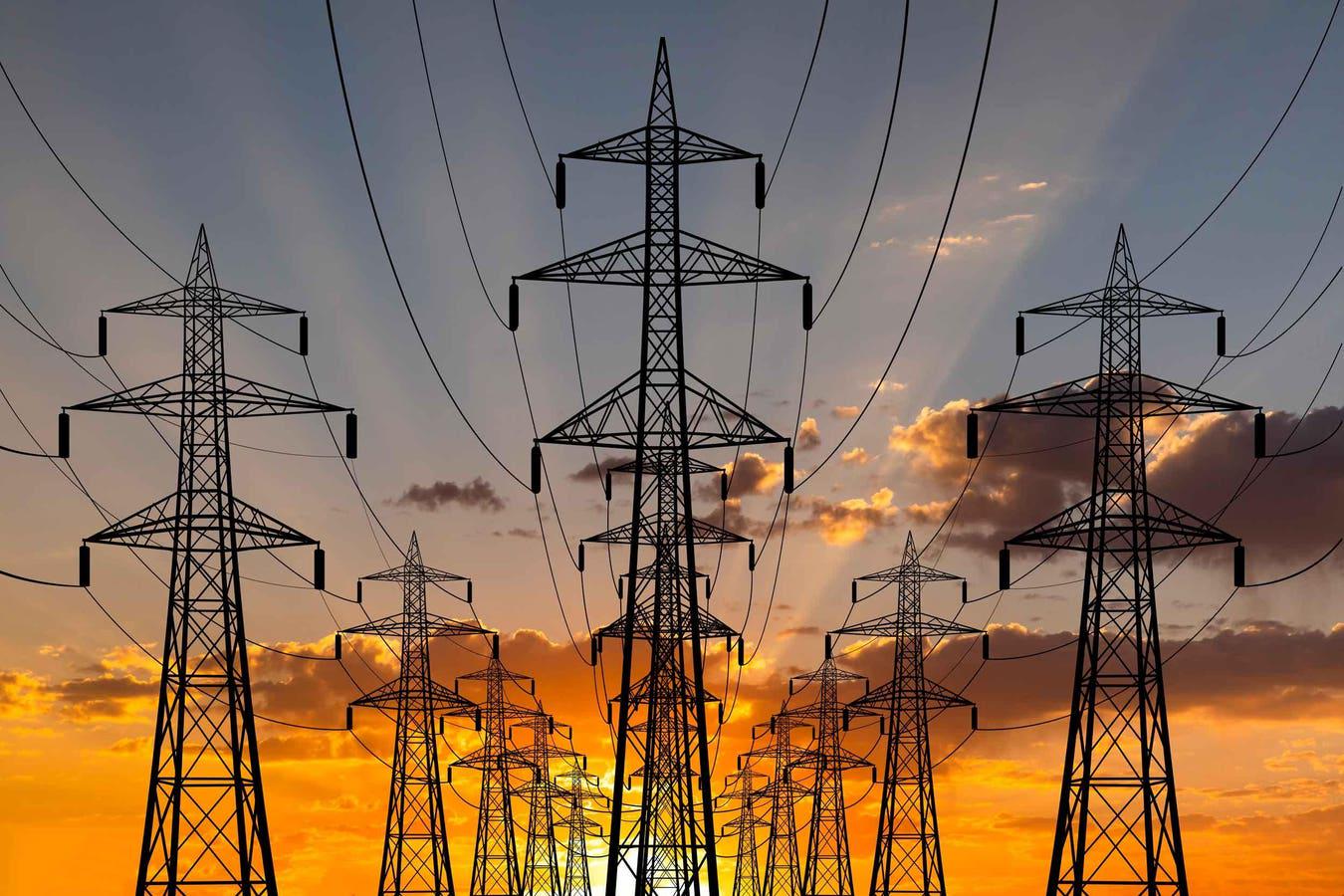
Today’s power grids aren’t designed for AI workloads
https://www.forbes.com/sites/richkarlgaard/2025/11/06/the-coming-crunch/
by nigesh
Today’s power grids aren’t designed for AI workloads
https://www.forbes.com/sites/richkarlgaard/2025/11/06/the-coming-crunch/
by nigesh
11 comments
But the public is expected to finance the construction of new power grids to fund their surveillance.
Crypto & AI should be off grid,their own generators
Today’s AI workloads aren’t designed for interconnecting to a power grid. They need to clean up their act.
Sign agreements to pay for generation capacity and transmission additions even if their projects don’t end up coming online. Agree to ride through disturbances as generation is already required to. Agree to limit how fast the load ramps.
The problem isn’t the grid, it’s the datacenters. They need to behave as a partner, and they aren’t.
Don’t worry, lower income people will pay for the infrastructure upgrades. We don’t want to trouble the billionaires.
After reading these headlines for at least twelve years the power grids aren’t designed for shit.
The best solution is to buffer the AI facility with batteries as the inverters can respond in milliseconds to the quick ramping of power which is already documented at 50MW+ in todays facilities.
https://www.datacenterdynamics.com/en/news/xai-deploys-168-tesla-megapacks-to-power-its-colossus-supercomputer-in-memphis/
Guess the AI companies need to be paying for some grid upgrades and more clean self-generation and storage on site.
Grids are built to handle highly variable loads. Cold snaps, heat waves, nightly dips. AI data centers don’t do that, they’re fairly steady loads, 24/7. And the fact is, grids love steady loads. Peaking plants are expensive power. Sure, new infrastructure is expensive, but as long as they’re able to use existing capacity, AI data centers should pull down on electricity prices.
The internet is useful. AI doesn’t help me with shit. I type in Indian restraunt near me and AI decides to tell me the history of freaking Indian food. I know what Indian food is, I just want to find the closest restaurant. How much power, money, and data was used for some bullcrap that I don’t ask for?
The economy would be much better if the bursting of the ridiculous LLM bubble happened sooner rather than later.
Mandate Ai data centres install grid batteries good for 30 minutes of max consumption and require that the grid gets control of 50% of the batteries capacity for frequency regulation and brown out control. The data centre gets the other half to work with.
Oh, but that requires government forethought.
Comments are closed.