
The German Central Bank is concerned about the increasingly high levels of debt in Europe and the risk they pose to German financial stability.
The high public debt-to-GDP ratios in Europe, with an increasing trend, pose a risk, the Bundesbank estimates, adding that higher public spending and the interest burden are harming the debt sustainability of some countries.
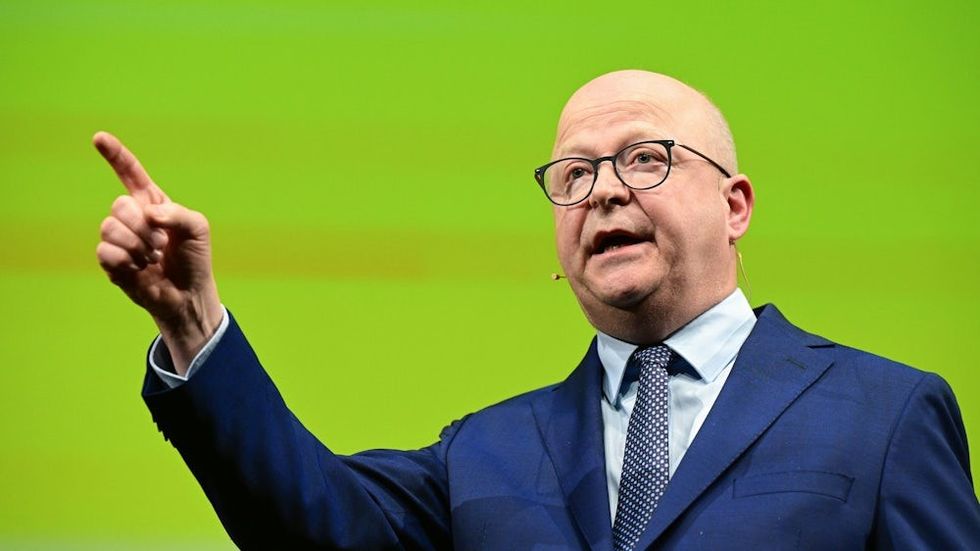
The German financial system is deeply integrated with the European one, and given the key link between the state and banks, this could pose a significant risk to its stability, explains Bundesbank executive board member Michael Theurer.
German fiscal regulations have been strengthened recently, but they do not guarantee long-term sustainability nor compliance with EU fiscal regulations, which may require fiscal policy improvements in the medium term, the Bundesbank official added.
Among the risks, the central bank also highlights the risk to the portfolio quality of German banks in a highly uncertain environment, it writes. derspiegel.
The volume of non-performing loans has been rising for some time, largely due to problems in the commercial property sector. Banks need to make more adjustments to the value of their loan portfolios, although they say that outstanding loan obligations are still “within manageable limits”.
The Bundesbank’s assessment of the deteriorating macro-financial environment this year is also based on uncertainty in trade and the economy, as well as persistent geopolitical tensions. The economic weakness affects different parts of the economy, and the risk is increased by customs tariffs, they warn.
“Unstable and protectionist American trade policy burdens the global economy, and not just export-oriented German industry,” said Bundesbank board member Michael Theurer.
“The German corporate sector is also facing increasing structural challenges,” warns the German central bank official.
The problem, economists say, is that Europe needs to achieve sustained long-term economic growth to make its debt more sustainable. Currently, its potential growth is stuck at around 1,3-1,4 percent a year, Reuters notes.
The German economy has been more or less stagnant for two years and growth is expected to be low even in 2025. /Telegraph/