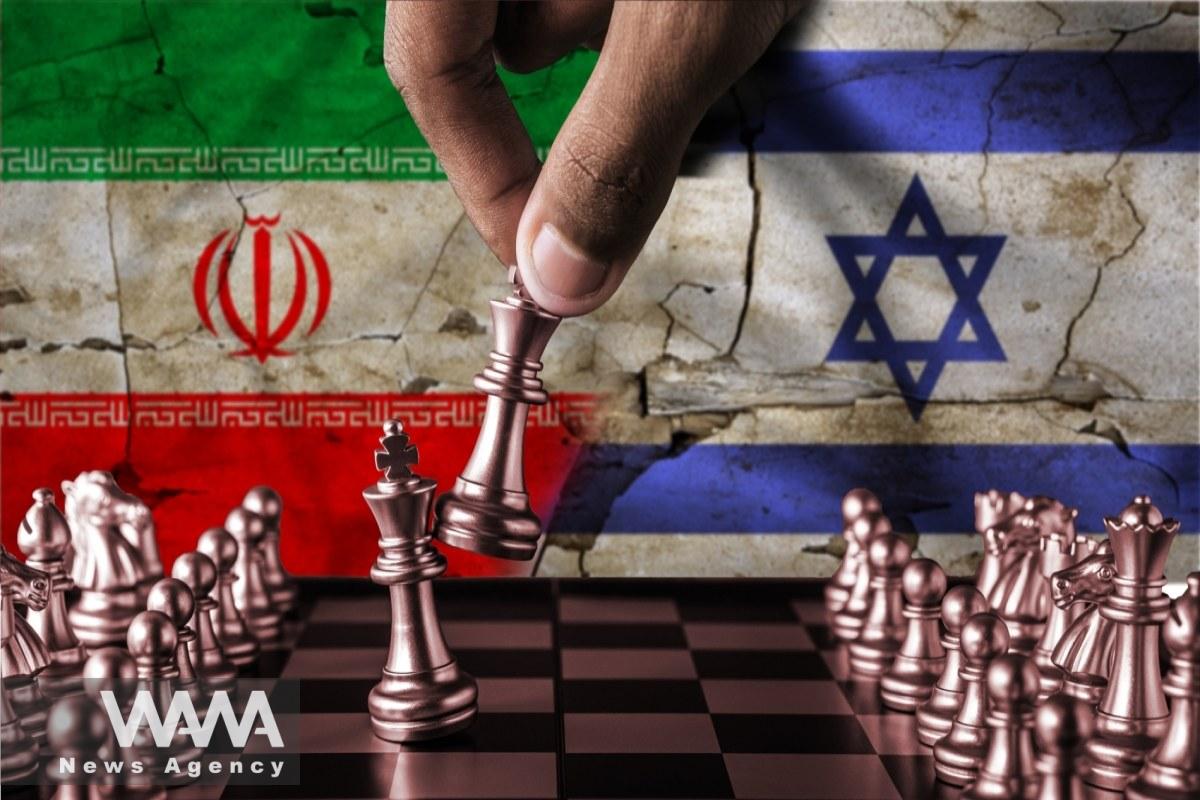
WANA (Nov 10) – In the grand chessboard of confrontation between the Islamic Republic of Iran and the Israel–United States axis, Tehran has effectively lost its two castles — Hezbollah in Lebanon and Bashar al-Assad’s Syria.
Although its bishop in Yemen — the Houthis and Ansar Allah — still remains in play, its other bishop in Iraq, the Popular Mobilization Forces (Hashd al-Shaabi), now finds itself in a difficult and defensive position.
The active knight, Hamas, has been removed from the board, while the other knight in the West Bank has neither the strength nor the space to move.
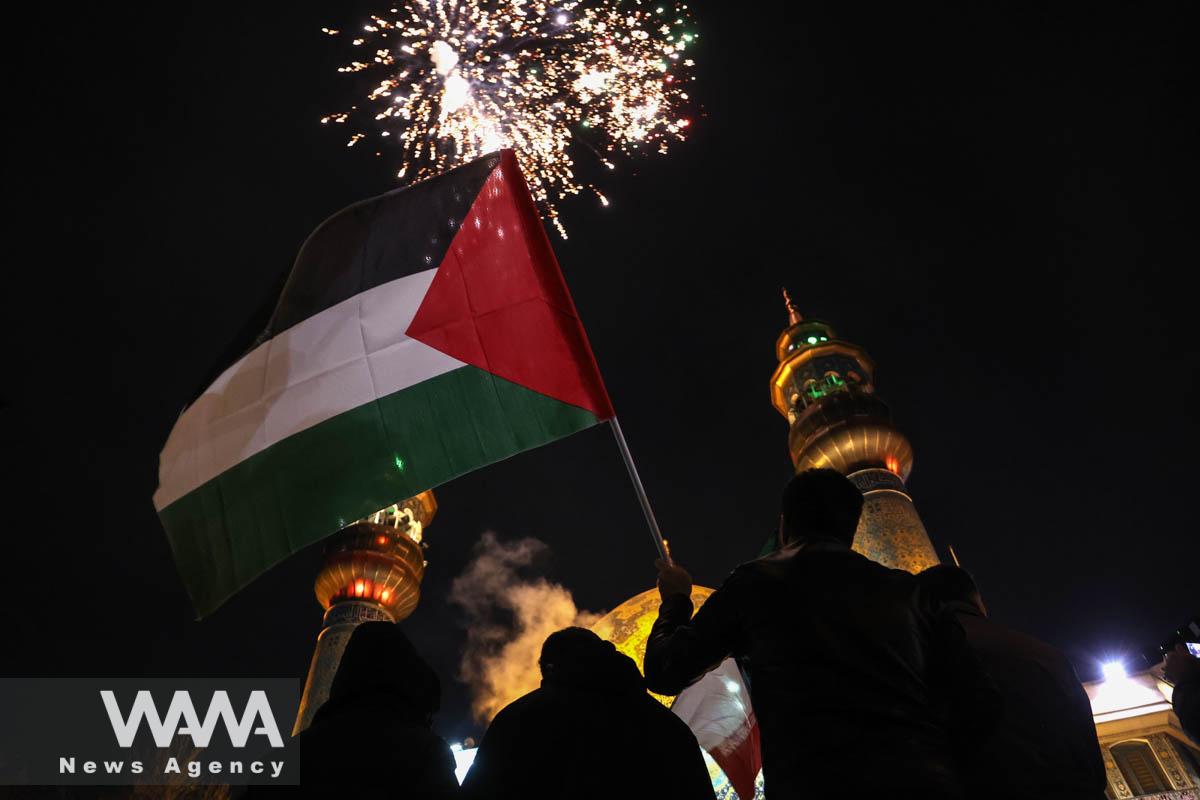 Why Hamas Said ‘Yes’ and What It Means for Israel?
WANA (Oct 11) – Hamas’s conditional acceptance of the ceasefire plan in Gaza has brought the equations of the two-year war and Israel’s stated objectives to an unexpected point. While Washington and Tel Aviv describe the plan as a step toward stability, many analysts see it as a sign of a shift in the field […]
Some of Iran’s pawns — such as the Zainabiyoun and Fatemiyoun brigades — have lost stamina and fallen out of the game.
Even so, the Islamic Republic, with its remaining pawns and its injured bishops and knights, still imagines it can continue the game — and perhaps even checkmate its enemy.
On the opposite side, Israel’s two castles — the United States and NATO — form the solid defensive pillars that sustain the survival of the Israeli state.
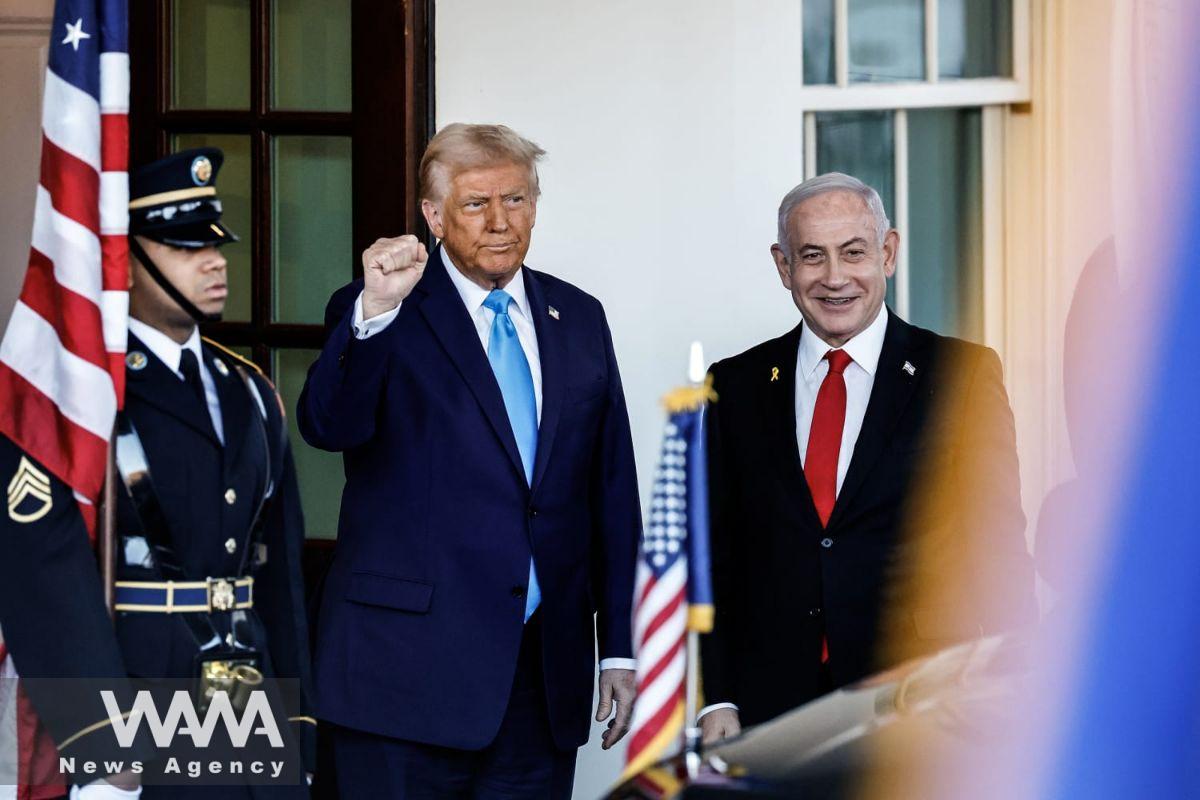
Israel’s Destructive Intelligence Breach and Its Impact on the White House. Social media/ WANA News Agency
Its two agile knights, Azerbaijan in the north and the United Arab Emirates in the south, stand ready to leap from behind these fortresses.
Israel’s pawns on the surrounding fields — from Jordan to the Red Sea — though currently static, remain part of its long-term strategic formation; their maneuverability is limited for now due to their distance from the main arena.
Who, then, are Israel’s bishops in this grand match?
The right bishop is likely Israel’s cyber and intelligence power — from Mossad to advanced defense systems — with both offensive and penetrative roles.
The left bishop represents Israel’s economic and diplomatic power — extending from the Abraham Accords to its global technology networks — which together provide the regime with international legitimacy and room for maneuver.
Yet this game is far from over. Though Iran is on the defensive, its king is not yet in checkmate.
The regional board is still being rearranged, and an unpredictable move — a secret deal, a sudden uprising, or a realignment on one of the fronts — could still alter the entire balance of the chess match.
In other words, this is not a battle of immediate checkmate, but a war of attrition — a psychological game in which both sides seek less to capture pieces than to exhaust the opponent’s will.