Venezuela’s Foreign Minister Yvan Gil warned against any attacks on his country as the U.S. ramps up pressure in the region, urging neighboring states to defend peace and stability.
“Any act of aggression against Venezuela is, in fact, an act of aggression against the entire region,” the minister told Al Jazeera on Sunday.
Newsweek has reached out to the U.S. State Department for comment.
Why It Matters
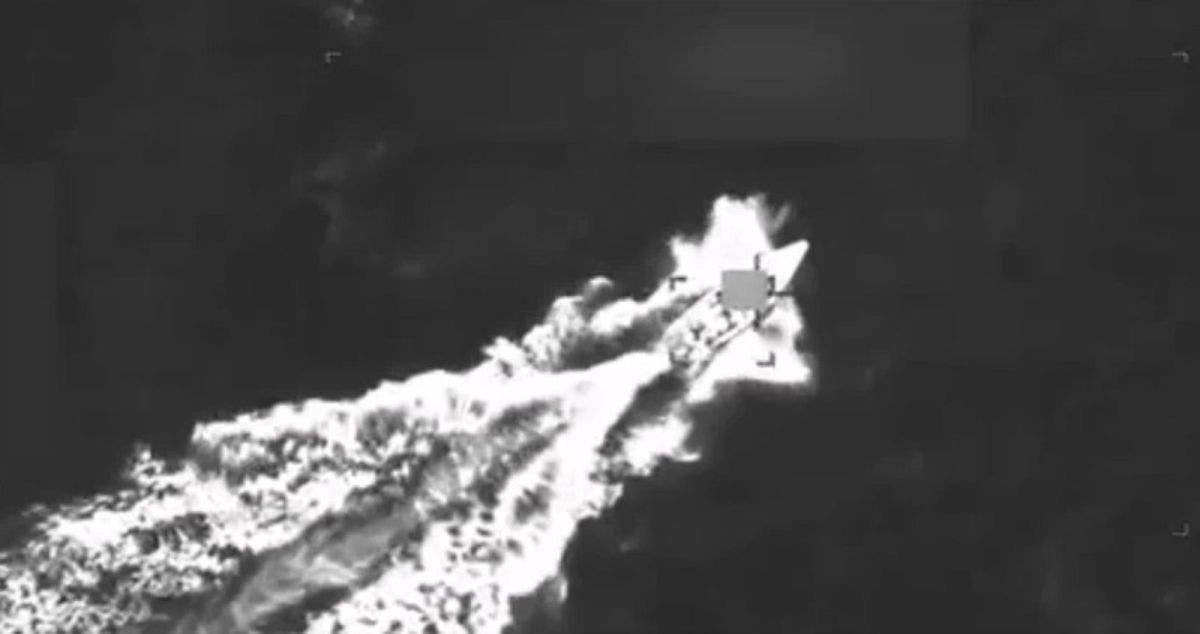
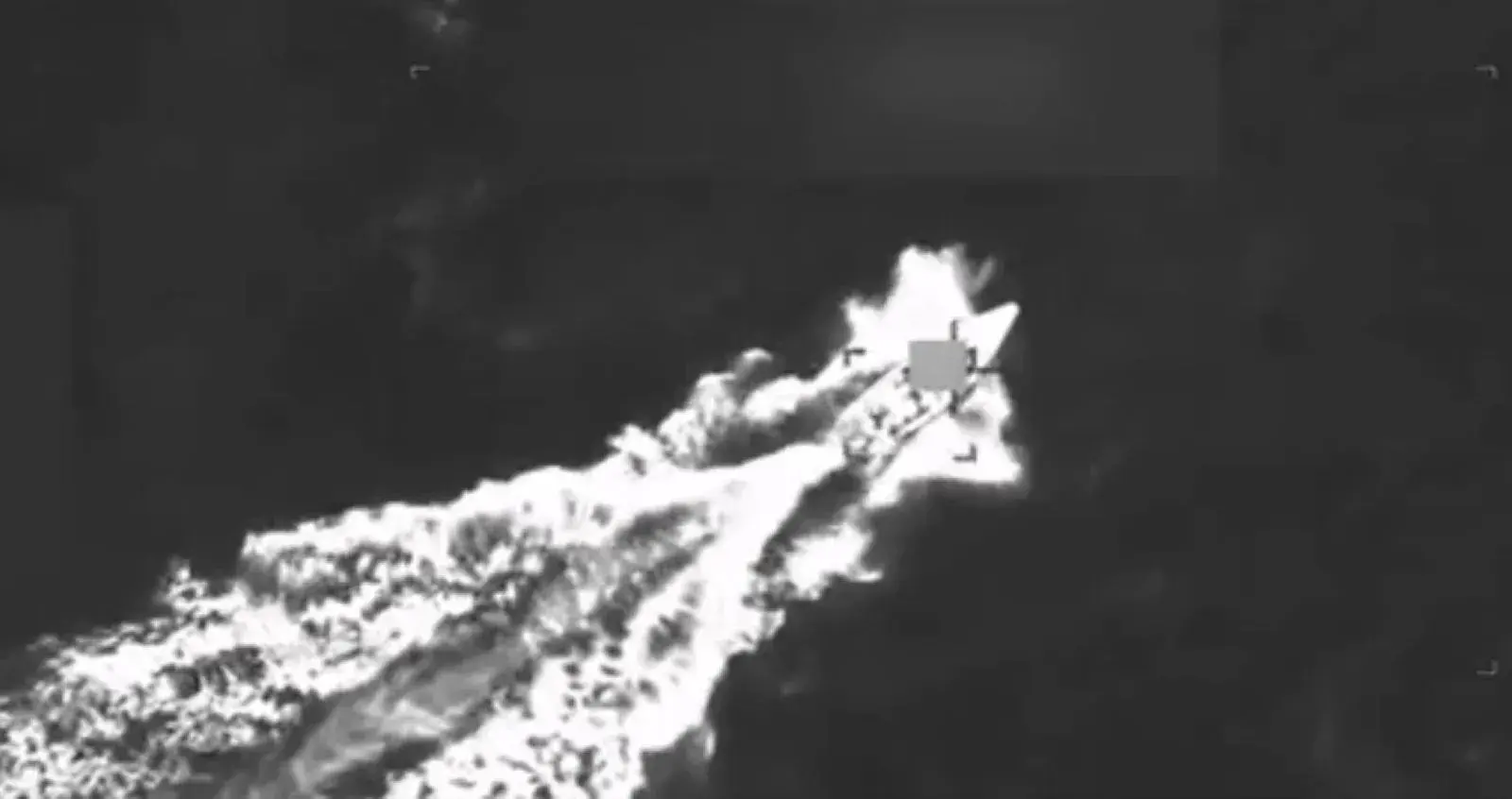
The new warning comes amid a heightened U.S. military posture near Venezuelan waters and a campaign in the Caribbean that has intensified since September, involving boat strikes that killed dozens of Venezuelan nationals Washington accused of drug trafficking.
Venezuela says the operations, questioned by U.N. human rights groups and U.S. lawmakers, violate its sovereignty and are politically motivated. President Donald Trump, who has authorized the CIA to carry out covert operations in the oil-rich country, has long portrayed President Nicolás Maduro as a corrupt authoritarian aligned with U.S. adversaries.
What To Know
U.S. authorities have claimed the targeted vessels were run by narco-terrorists and cartel members smuggling deadly drugs to the country. But an Associated Press investigation on Venezuela’s Paria Peninsula found that while some of the more than 60 people killed were involved in drug trafficking, they were not cartel leaders or members of organized gangs. The boats appeared to carry cocaine, not the far more lethal synthetic opioids that kill tens of thousands of Americans annually.
Maduro has repeatedly and publicly denied U.S. accusations of involvement in cocaine trafficking. Meanwhile, Colombian President Petro Gustavo has also criticized U.S. military actions after the targeting of a Colombian vessel.
Petro co-chaired a EU-CELAC (Community of Latin American and Caribbean States) summit in Santa Marta on Sunday where maritime security and regional stability in the Caribbean were discussed. Several key European leaders opted out of the summit, signaling broader divisions over the summit’s agenda tied to U.S. military operations in the region, according to Euro News.
“We reiterate our opposition to the threat or use of force and to any action not in accordance with international law and the Charter of the United Nations,” the meeting’s joint declaration read.
U.S. operations in the Caribbean are becoming a global matter, with Russia announcing readiness to provide Maduro with military support. On Thursday, U.S. Senate Republicans blocked a resolution Thursday that would have stopped President Trump from attacking Venezuela without Congress’s approval, Reuters reported.
What People Are Saying
Venezuelan Foreign Minister Yvan Gil said in statements to Al Jazeera Arabic Sunday: “Venezuela is on alert today, but at the same time it enjoys peace, stability, and economic growth. Venezuela is strengthening its relations with all countries of the world and asks only for its independence and sovereignty.”
Defense Secretary Pete Hegseth wrote on X on Friday: “As we’ve said before, vessel strikes on narco-terrorists will continue until their poisoning of the American people stops.”
Human Rights Watch said in a letter addressed to Latin American, Caribbean and European Union leaders on November 4: “Participants of the EU-CELAC summit should … strengthen judicial and enforcement collaboration between Latin America and the Caribbean and in Europe to effectively investigate and prosecute organized crime, oppose recent US strikes against alleged “narco-terrorist” vessels in the Caribbean Sea and Pacific Ocean, which amount to extrajudicial executions and misuse the pretext of a non-existent armed conflict to justify these unlawful killings.”
What Happens Next
While Trump has not confirmed plans for immediate military action in Venezuela, his continued rhetoric on regime change raises the risk of escalating tensions and a potential confrontation in the region.