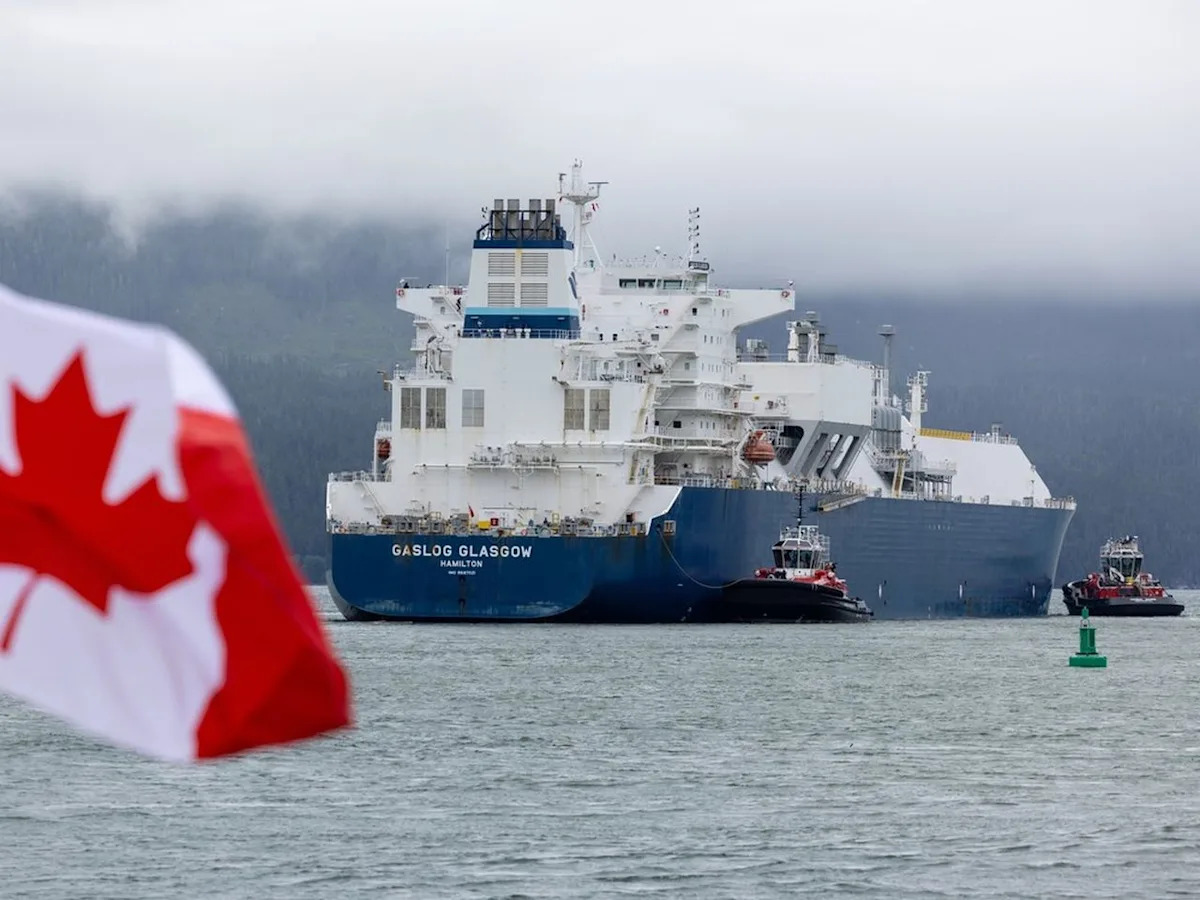
The expansion of liquefied natural gas production in B.C. could add 200 LNG tankers per year over the coming decade, increasing the risk of spills and pollution to already busy shipping lanes in the Georgia and Juan de Fuca straits, according to a recent report.
Plans for two gas plants — an expansion of Tilbury LNG in Delta and construction of Woodfibre LNG near Squamish — would increase LNG production capacity from less than 100,000 tonnes a year in 2015 to nearly six million tonnes by 2035, according to the report.
“We’re seeing a 60-fold expansion planned from just these two projects,” said Curtis Kunitz-Martin, author of the report. “We’re seeing this in one region. What does that also mean for the projects in Northern B.C.?”
The increase in tanker traffic comes as B.C. seeks to expand LNG exports across the province.
A Conference Board of Canada study in 2020 estimated that the industry could create roughly 71,000 jobs annually in B.C. By 2064, the conference board estimated over $200 billion in wages could flow to B.C. from LNG development, with tax and royalty payments of roughly $2 billion per year.
Kunitz-Martin said the increase in LNG tanker traffic increases the risks to public health and the marine ecosystem.
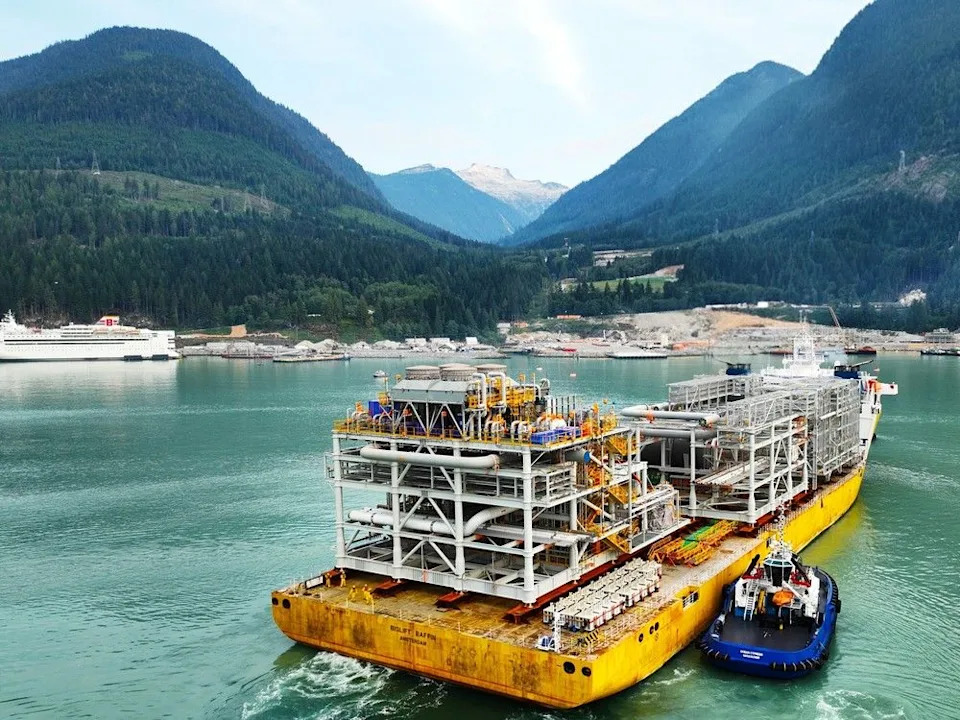
A module arrives at Woodfibre LNG facility project site near Squamish.
Methane gas escapes storage containers during transit and from ship engines during transit. Escaped methane reacts with other chemicals to create ground level ozone, a dangerous air pollutant, especially for people with existing respiratory problems.
Transport Canada said there are currently no LNG cargo exports in either the Juan de Fuca or Georgia straits and that “all future LNG projects would need to undergo a regulatory assessment process to determine marine safety requirements.”
More than 800,000 people in B.C. and Washington state live within 10 kilometres of the approved tanker routes, which pass through or skirt the edges of several protected or environmentally sensitive marine areas.
In a statement, Transport Canada said it has implemented several safety measures for ship traffic since 2016. The vessel pollution and dangerous chemicals regulations require ships in Canadian waters to have spill response plans and arrangements with certified response organizations in case of emergencies.
Some tanker routes also pass through waters designated or proposed as critical habitat for marine life, including orcas, humpback whales and salmon. The report found that more than 1,000 kilometres of tanker routes pass through federally designated critical habitat areas.
“This habitat is designated for species at risk in Canada and the U.S.,” Kunitz-Martin said. “We’re talking about, for example, resident orcas. We’re talking humpback whales and other animals who have this area set aside to help them recover.”
The recent death of a humpback whale struck and killed by a whale-watching boat operator highlighted the risks of ship strikes as marine traffic increases.
“These are really large vessels and they have big engines and propellers, and so that’s also a concern,” Kunitz-Martin said of the risk of increased ship strikes as LNG tanker traffic increases. “That impacts all the wildlife in the region, from the really small plankton all the way up to the bigger mammals.”
Related