
14
Nov 2025
Cyprus is stepping up border controls while rolling out new programs to help illegal migrants settle and work in the country.
The move comes as irregular arrivals drop by 89%, signaling a major shift in the island’s migration policy.
Government budget focuses on migration reform
Deputy Minister for Migration Nikolas Ioannides told Parliament that the government will continue its twin strategy in 2026: returning irregular migrants while improving integration for legal residents.
The ministry’s budget for next year is set at €75.3 million, about €20 million more than in 2025, to expand facilities, digital systems, and programs for minors and workers.
Ioannides said that between January and October 2025, 10,628 people were returned to their home countries, nearly matching last year’s record of 10,944.
He added that 4,007 Syrians have voluntarily left Cyprus through the Syrians Return Program, which provides financial help for families who agree to withdraw their asylum claims.
Expanding pathways for legal migrants
According to official figures, 175,677 non-EU nationals now live legally in Cyprus. The largest groups come from Russia, the United Kingdom, Nepal, India, and Syria, followed by residents from China, Sri Lanka, the Philippines, and Ukraine.
The government has also adopted the EU Blue Card, a work and residence permit for highly skilled workers from outside the European Union. It is also promoting Greek language courses and job training to help migrants integrate more easily into local communities.
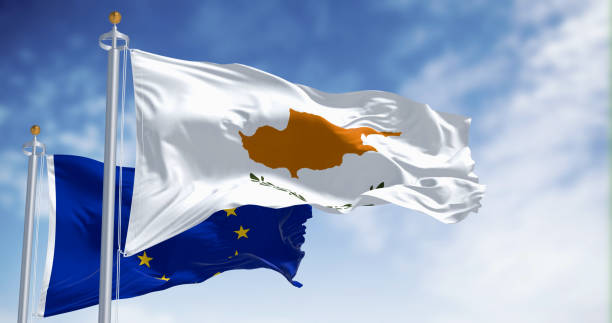
(Image courtesy of rarrarorro via iStock)
New centers, new support
Cyprus is upgrading the Pournara center from a reception site to a classification and identification hub. The Kofinou center is being expanded to house 750 people, while a new complex at Limnes is planned for 2026.
Around 60% of migration management costs are covered by EU co-funding, mainly from the Asylum, Migration and Integration Fund and the Border Management and Visa Instrument.
Parliament debates direction of migration policy
Lawmakers across the political spectrum backed the government’s progress but disagreed on priorities.
Centrist and conservative MPs welcomed the fall in irregular arrivals, while left-wing members called for stronger protection of migrant rights and transparency in spending.
The far-right ELAM party repeated demands for mass deportations, warning of what it called demographic “risks.”
(Image courtesy of Marila Skovpen via iStock)
Balancing control, compassion
The policy shift comes as Cyprus prepares for its 2026 presidency of the Council of the European Union, when it will help oversee the rollout of the European Pact on Migration and Asylum.
Officials said that the country’s focus on border security, voluntary returns, and integration programs aims to balance control with humanitarian responsibility, a stance likely to shape its role within the EU next year.
Travel rules tighten
For short-term travelers heading to Europe, the shift in Cyprus’ migration policy comes as new digital border systems roll out across the EU.
The Entry/Exit System (EES), launched in October 2025, is now recording when non-EU visitors enter and leave Europe’s borders, replacing passport stamps with facial and fingerprint scans. This system aims to cut waiting times and detect overstays more efficiently.
By late 2026, the European Travel Information and Authorization System (ETIAS) will also take effect. It will require travelers from visa-free countries to apply online before visiting Schengen countries for short stays.
Together, these systems are designed to make EU borders more secure and consistent, ensuring that visitors who follow the rules can travel more easily.
For migrants, tourists, and business travelers alike, the changes mean greater digital monitoring but faster, more predictable border checks.
The next phase of migration reform
Cyprus’ focus on tighter borders and stronger integration marks a turning point in its migration policy. The government’s challenge now is to keep that balance — protecting its borders while helping migrants build stable lives.
As the country prepares to lead the EU Council in 2026, its approach will be closely watched across Europe. What happens next in Cyprus could set the tone for how the region manages migration in the years ahead.