Executive Summary
Russia is tightening its pressure on Ukraine. The Kremlin’s military is still advancing in the east, moving through destroyed cities and placing a strain on Ukrainian defences. Simultaneously, Moscow is increasing its strikes against the Ukrainian capital.
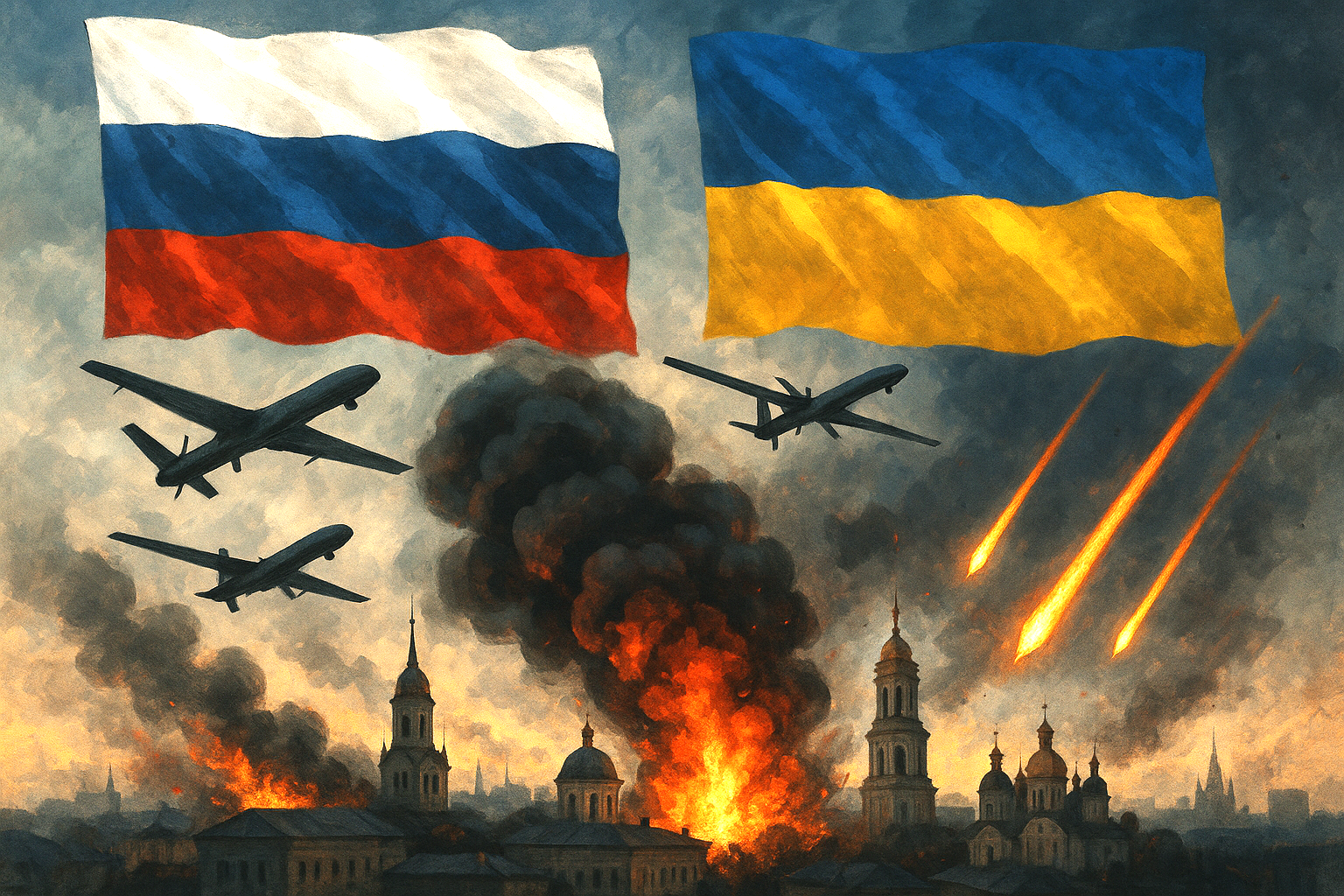
The overnight attack on Kyiv, involving over 400 drones, caused several civilian deaths and widespread damage to residential districts. This action shows Moscow’s intention to increase the cost of resistance and communicates to European governments and the United States that Russia does not intend to retreat.
The Kremlin is utilising military force, political pressure, and intimidation to compel Ukraine and its partners to adopt positions that favour Russian interests.
Key Findings Russia is tightening military and political pressure through renewed eastern advances and a large-scale strike on Kyiv. Moscow is acquiring opportunities to undermine the Ukrainian government by exploiting military attacks and internal pressures, such as accusations of corruption and a lack of available personnel. Western hesitation, paired with sustained Russian operations, is reinforcing the Kremlin’s belief that it can continue the war on its own terms. Current Situation
On November 14, 2025, Russian forces struck Kyiv during the night with extensive use of drones and missiles. Ukrainian authorities have reported a minimum of four deaths and over twenty injuries, including a pregnant woman. Residential buildings were hit, leaving civilians trapped or forced to flee under fire.
In eastern Ukraine, Russian units persist in their advance. Footage from the area shows Russian soldiers moving on motorcycles through fog to approach key positions. Ukrainian troops are experiencing frequent attacks that diminish their strength and restrict their capacity to rotate personnel.
Diplomatic efforts remain stalled. The summer summit in Alaska between the US President Donald Trump and the Russian President Vladimir Putin did not yield any advancements. Russia suspended plans for a follow-up meeting in Budapest when it refused to consider a ceasefire. The US has not ruled out further talks, though there is no sign that Moscow is ready to alter its demands.
Why It Matters?
Russia persists in applying pressure on Ukraine across multiple sectors to undermine Kyiv’s military capabilities, morale, determination, and to evaluate the cohesion of its allies.
Since the beginning of the conflict, Kremlin forces have suffered significant losses and setbacks; however, the Russian military has reconstructed its supply lines, adapted its tactics, and re-established momentum in crucial eastern regions. These achievements support Moscow’s claim that it can continue fighting and expand its control over occupied regions.
Ukraine faces rising internal pressures. A corruption scandal has damaged public confidence in parts of the government. Reports of desertions and attempts by military-aged men to leave the country underscore the stress on Ukrainian society. These trends could embolden Moscow to believe that Kyiv may experience political instability, including changes within the ruling elite.
European leaders maintain their support for Kyiv, yet concerns are growing about Ukraine’s manpower shortages. The German Chancellor’s public remarks indicated Ukrainian men should remain in their country and fight against Russia, implying a broader mobilisation and concerns regarding Ukraine’s ability to sustain the conflict. Such statements strengthen Russia’s belief that Ukrainian capacity may weaken further.
Russia’s large-scale strikes on Kyiv and military successes on the eastern front serve as a demonstration that the sanctions imposed have not diminished the Kremlin’s capacity to continue its war efforts.
Yesterday’s night attack against Kyiv underscores Moscow’s intent to maintain pressure without entering negotiations on terms favoured by Ukraine or its partners. Moscow is showing that it still possesses the ability to escalate and expects the West will re-evaluate its current stance.
Outlook
Russia’s strategy involves calculated territorial expansion, attacks on Ukrainian urban areas, and the exacerbation of internal Ukrainian political and social tensions. This combination should wear down Ukrainian resistance and encourage doubts in Western capitals about the prospects of a long war.
If Ukraine will not secure more robust international support and stabilise its internal affairs, Russia’s position will probably strengthen. Moscow appears set on continuing the conflict until it can impose a settlement that reflects its own objectives.