Syria outlook upgraded
Tax system to be modernised
Uncertainty, deficits rising in Libya
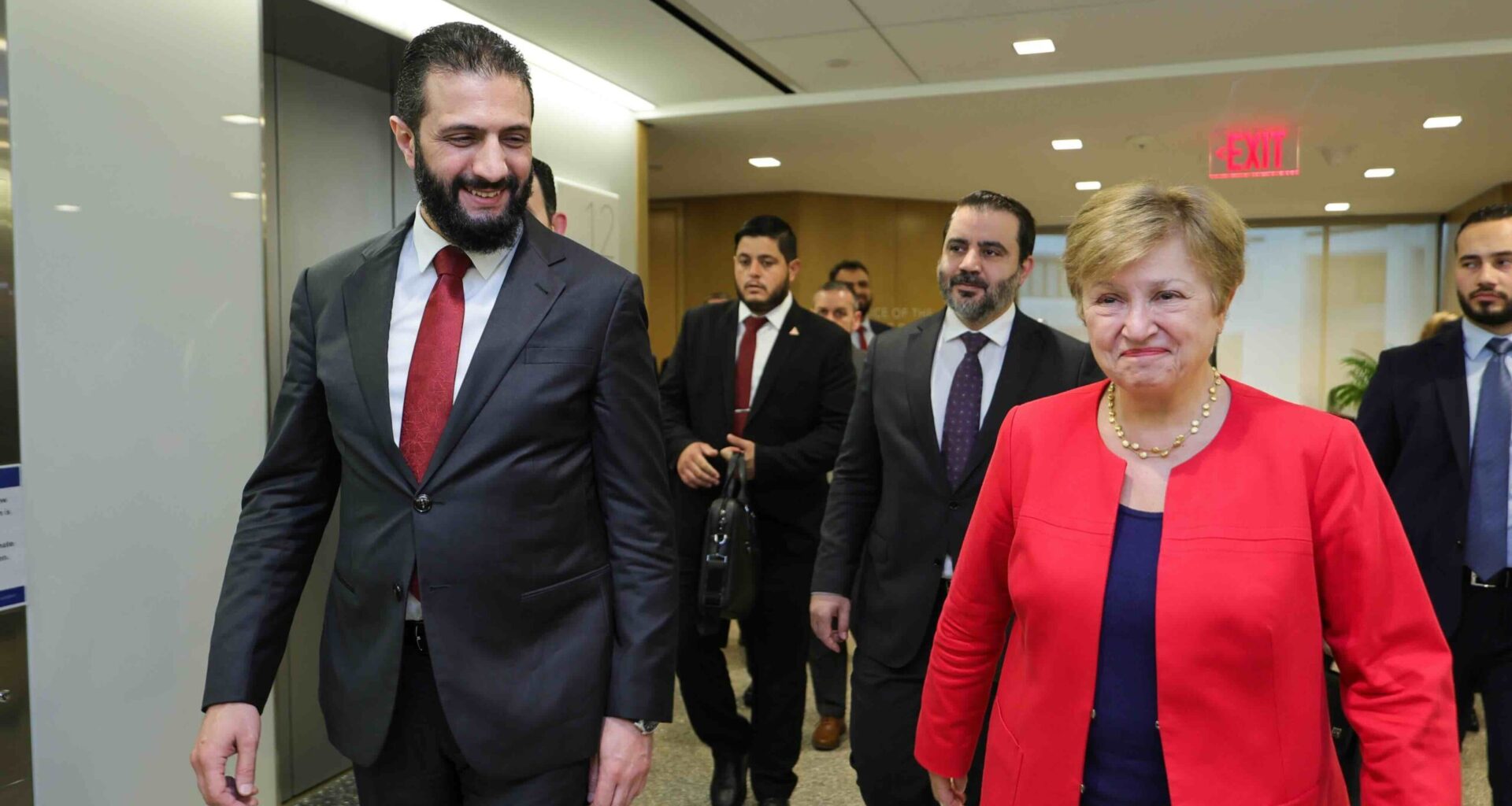
International Monetary Fund officials expressed hope and pledged support for Syria while sharing concerns about Libya after recent talks with representatives of the two countries.
Both Middle Eastern nations have been plagued by conflict in the past decade and remain highly vulnerable to political and economic volatility.
The Syrian economy is “showing signs of recovery and improving prospects”, the IMF’s head of mission for the country, Ron van Rooden, said following a visit to Damascus last week.
The upgraded outlook reflects increasing consumer and investor confidence under the transitional government headed by President Ahmed al-Sharaa, according to van Rooden.
The gradual lifting of international sanctions and Syria’s reintegration — albeit slow — into the regional and global economy are also helping to support the country’s economic reawakening.
“The authorities have been able to adopt a tight fiscal and monetary stance within the many constraints they face,” he said in a statement Monday.
The IMF appointed van Rooden in April as its first chief for Syria in 14 years.
The eight-month-old transitional government faces daunting reconstruction challenges after a decade of civil war left the country’s real estate, infrastructure and institutions in shambles.
But Syrian officials have been aggressive in seeking to rejoin the global economic order. They have pitched the country as a promising, if risky, investment destination for companies from the Arab Gulf states and the rest of the world.
During meetings in Damascus with finance minister Yisr Barnieh, central bank governor Abdulkader Husrieh and other senior officials, the IMF team discussed drafting a 2026 budget that would bolster social support for vulnerable citizens within “ambitious but realistic revenue and financing assumptions”.
The IMF pledged “extensive” technical assistance to improve public-finance management, design a new tax regime that is “simple, competitive, and easy to administer” and manage Syria’s legacy and current debts.
“Similarly, as the authorities restructure state-owned enterprises and pursue large investment projects with the private sector, it is important to adhere to good governance standards,” van Rooden said.
The IMF will also support Syria in writing a new banking law, restoring existing payment systems and shoring up capacity at the central bank as part of monetary policy efforts aimed at keeping inflation “low and stable.”
IMF assistance will separately target a dearth of reliable economic data and statistics. The aim is to resume full-on consultations with Syria under its Article IV process that last occurred in 2009.
The Article IV process is an annual review in which the Fund assesses a country’s economic health and advises on policy.
Less upbeat on Libya
A less upbeat picture emerged from near-simultaneous talks IMF staff held in Tunis with officials from Libya’s internationally recognised government of prime minister Abdul Hamid Dbeibeh.
Rising oil production has sustained economic growth this year. However, “unrestrained” government spending against a frayed political backdrop is causing “large” fiscal and current-account deficits, according to Stephanie Eble, the senior economist who led the IMF delegation.
Further reading:
These, in turn, are straining the central bank’s reserves and driving a wedge between the official and informal foreign-exchange rates, Eble said.
“The outlook is subject to high uncertainty with risks tilting to the downside,” she said in a statement after the visit.
The IMF urged Libya to pursue a “transparent… multi-year investment plan”, streamline subsidies, and continue advancing efforts to protect independent action by the central bank.
The next Article IV consultations with Libya are slated for the spring of 2026, Eble said.