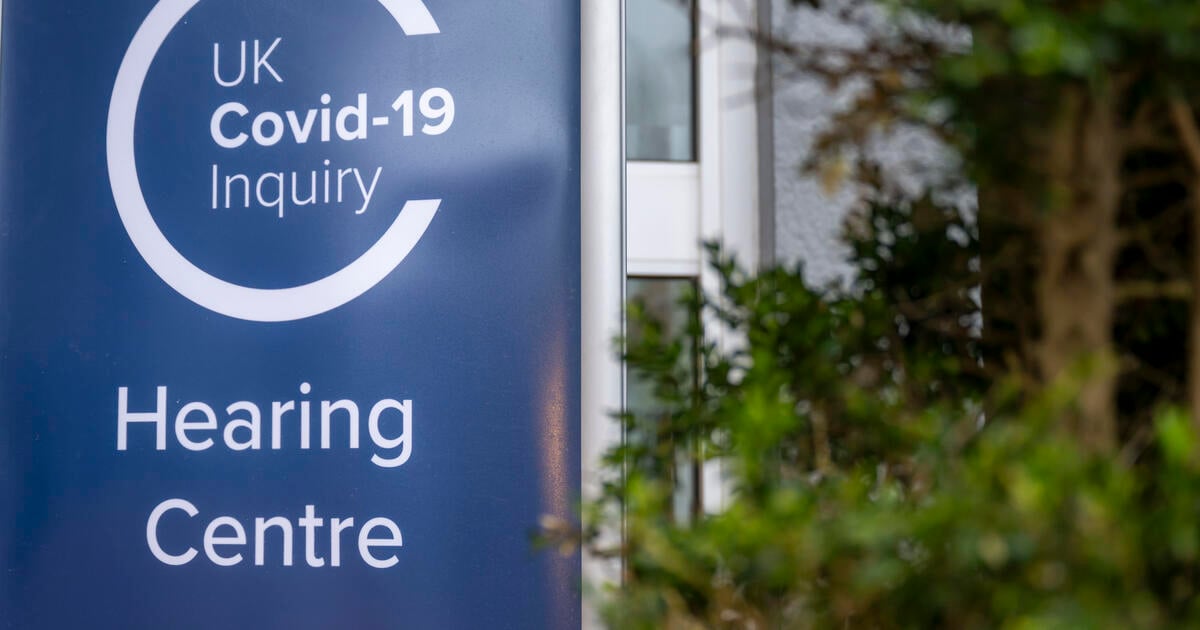
The report, which is due to be published on 20 November, will conclude the inquiry’s investigation into ‘Core UK decision-making and political governance’ during the pandemic and include perspectives from Scotland, Wales and Northern Ireland.
The inquiry, which is investigating 10 areas, was launched by former prime minister Boris Johnson in 2022 to examine the government’s actions during the pandemic. Although the inquiry is government funded, it is independent and publishes reports with recommendations and conclusions that could significantly influence government policy on how to handle pandemics and other crises in future.
The inquiry’s first report and related recommendations were published on 18 July 2024 and examined the UK’s resilience and overall preparedness for the pandemic. The report concluded (PDF 4 pages / 84.5KB) that the government at the time was not adequately prepared and recommended “a major overhaul of how the UK government and devolved administrations in Northern Ireland, Scotland and Wales prepare for whole-system civil emergencies”.
The second report will focus on how key decisions were made across central government, the devolved administrations in Scotland, Wales and Northern Ireland, and across the civil service. The report is expected to shed light on how the government operated during Covid 19, and, as with the first report, provide recommendations on how future governments could approach pandemics.
Commenting on the upcoming report, forensic accountant Hinesh Shah of Pinsent Masons, said: “This will be of interest for those companies and institutions who regularly engage with the government, and who wish to better understand government decision-making in times of crisis.
The first public hearings took place in London in June 2023, but subsequent hearings have been held in Edinburgh, Cardiff and Belfast. The inquiry chair, former Court of Appeal judge Baroness Hallett, has powers to call witnesses, including the former prime minister and members of his cabinet, to give evidence throughout its investigations. Final public hearings are expected to take place in early March 2026, with the inquiry’s next report focused on healthcare systems set to be published next spring.
The government is not obliged to accept any of the report’s recommendations, but it is expected to respond to the inquiry’s latest findings, which could influence future government policy and even legislation.
In a policy paper published in July 2025 in response to the inquiry’s first report, the government said the introduction of a new ‘Hillsborough Law’ would “place a legal duty of candour on public servants and authorities,” and would likely act as “a catalyst for a changed culture in the public sector by improving transparency and accountability where public services have failed.”