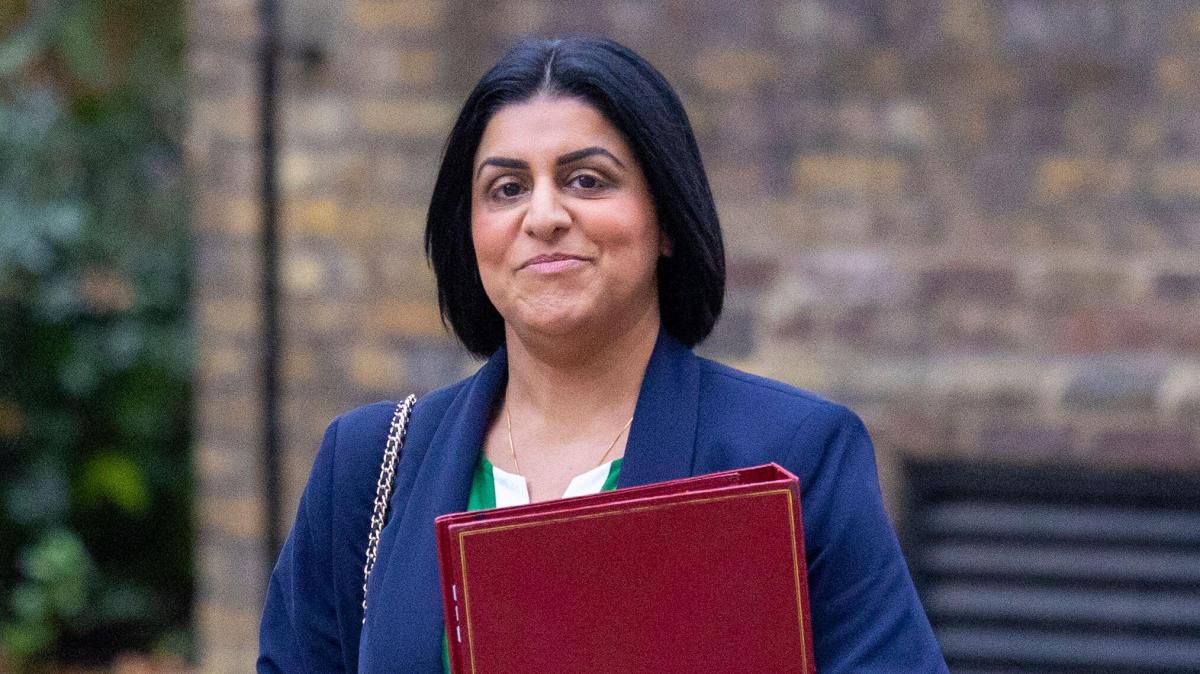
Shabana Mahmood’s announcement of radical asylum reforms has provoked a furious reaction from the prime minister of Albania, who accused her of aping the far right.
On Monday the home secretary vowed to begin deporting families whose asylum claims have been rejected and defended the move by using an example of 700 Albanian families living in taxpayer-funded accommodation in the UK who are refusing to return home.
On Wednesday Edi Rama, the Albanian prime minister, accused Mahmood of “scapegoating” Albanians and subjecting them to “ethnic stereotyping”. He added that it was a “troubling and indecent exercise in demagoguery”.
In a post on X, he said her comments would endanger Albanians living in Britain because they would embolden extremist groups.
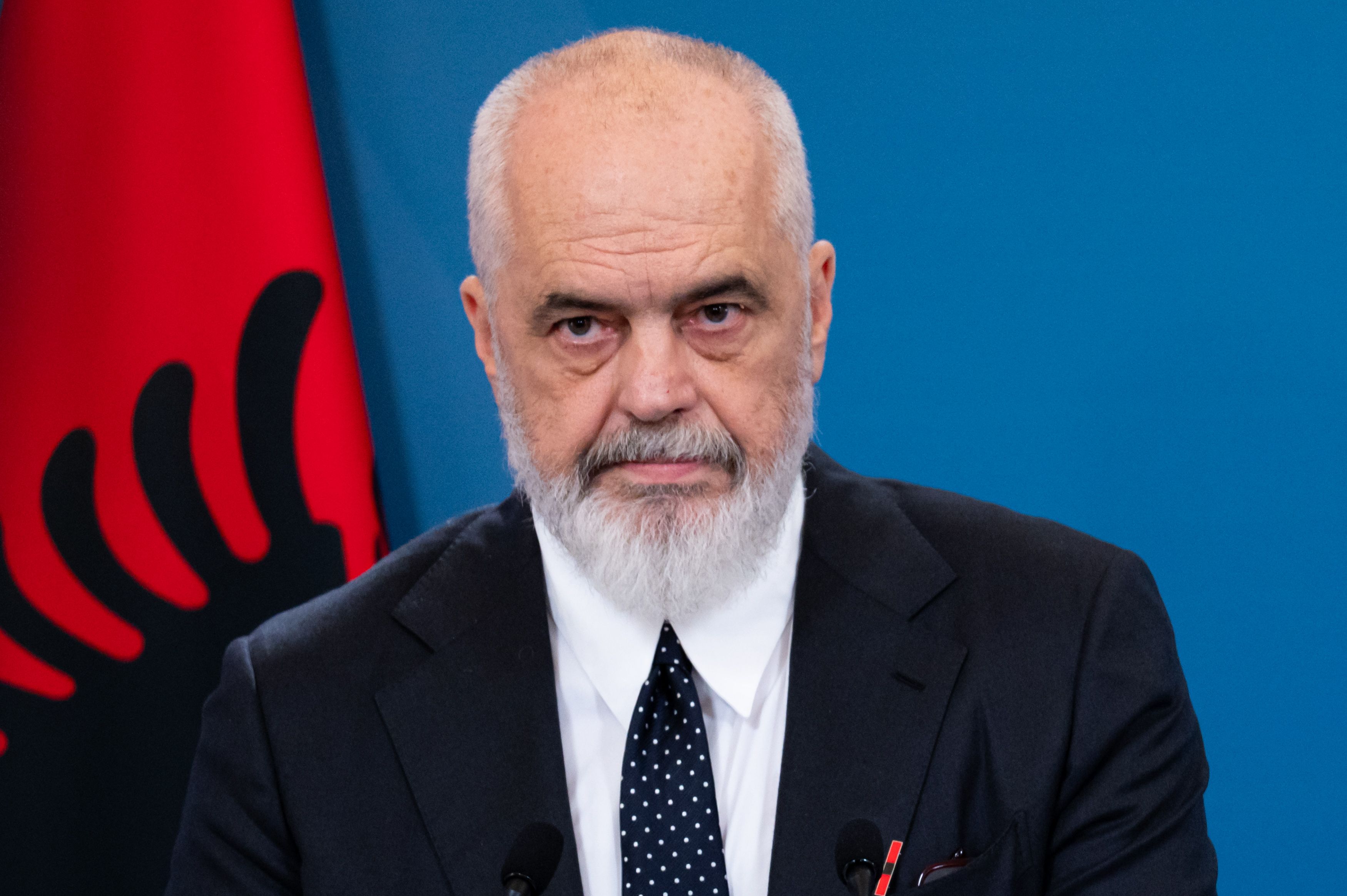
Edi Rama
MASSIMO VALICCHIA/NURPHOTO/SHUTTERSTOCK
The row threatens to disrupt relations with Albania, a crucial country in Britain’s efforts to combat illegal immigration. A fast-track returns agreement struck with the Balkan country three years ago led to a sharp fall in Albanians arriving in small boats. Co-operation on law enforcement and data sharing between the two nations has been repeatedly hailed as vital to combatting illegal immigration through the western Balkans, which has been one of the main migratory routes used by people smugglers.
Responding to Mahmood’s statement to MPs, Rama said: “How can a Labour home secretary so poorly echo the rhetoric of the populist far right — and single out 700 Albanian families, a statistical drop in the ocean of post-Brexit Britain’s challenges — precisely at a moment when the UK and Albania have built one of Europe’s most successful partnerships on illegal migration?”
• Back home and missing Britain, the Albanians ‘paid £1.2k to leave’
He added: “Let us also be clear: Albanians are net contributors to the British economy, and the number of Albanians receiving UK benefits is very low relative to other communities. To single them out again and again is not policy — it is a troubling and indecent exercise in demagoguery.
“Albania is, and intends to remain, one of the UK’s most active allies in broader migration control across the Balkans. The UK should be seeking ways to deepen cooperation with Albania on all security issues — from defence to border protection — rather than repeatedly scapegoating Albanians and thereby exposing citizens of an allied nation to increased risks, including from extremist groups that thrive on such narratives.
“Official policy should never be driven by ethnic stereotyping. That is the very least humanity expects from the great Great Britain.”
The agreement that Rishi Sunak struck in December 2022 with Rama to fast-track the return of failed Albanian asylum seekers led to a sudden drop in the number of Albanians arriving on small boats. In 2022 a record 12,658 came, and this fell to 927 the following year. The latest available statistics show that 649 Albanians arrived by small boat in the year to June 2025.
There is some evidence that Albanians are using alternative routes into Britain. They make up nearly a quarter of stowaways found in the back of lorries at British ports, although this is a relatively small number — 83 in the past year.
• From Eurotunnel to fake passports — how Albanians are smuggled into UK
Rama is the latest dissenting voice against Mahmood’s asylum overhaul, hailed as the biggest reform of asylum laws since the Second World War. More than two dozen Labour MPs have expressed concern, although the vast majority of Labour MPs have either supported or remained silent on the changes and the government is confident they will get through parliament.

Small boats used by migrants to cross the channel are stored at a Home Office facility in Dover on Tuesday
DAN KITWOOD/GETTY IMAGES
The plan to deport families was one of the most controversial measures announced in the 33-page asylum policy document. Under the proposals, cash incentives will be offered to all families whose asylum claims have been rejected to return to their home country. If they refuse to leave, the Home Office will “escalate” their cases to forcibly remove them from the UK.
The Home Office said the plans aimed to tackle the “hesitancy” around returning families, which have created “particularly perverse incentives” for parents to send their children on small boats to the UK in order to “exploit” UK laws by putting down roots to thwart removal.
• Shabana Mahmood’s asylum seeker policy reforms: the key points
Mahmood will consult on proposals to rip up Home Office rules that do not prioritise the return of families but instead continue to pay families until their children turn 18, even if they have exhausted all their appeals and are not co-operating with the returns process.
The Home Office said this was also creating a perverse incentive for families to remain in Britain without status in order to continue receiving taxpayer-funded payouts.
Mahmood said she would “begin the removal of families” to safe countries and the Home Office revealed it was already looking at returning failed Syrian asylum seekers to Damascus following the restoration of diplomatic relations with the country after the overthrow of the Assad regime last year.
Using the example of Albanian families in taxpayer-funded accommodation, Mahmood told MPs: “We must remove those who have failed asylum claims, regardless of who they are. Today, we are not removing family groups — even when we know that their home country is perfectly safe. There are, for instance, around 700 Albanian families living in taxpayer-funded accommodation having failed their asylum claims.
“This is true despite an existing returns agreement, and that Albania is a signatory to the European Convention on Human Rights. So, we will now begin the removal of families. Where possible, we will encourage a voluntary return, but where an enforced return is necessary, that is what we will do.”