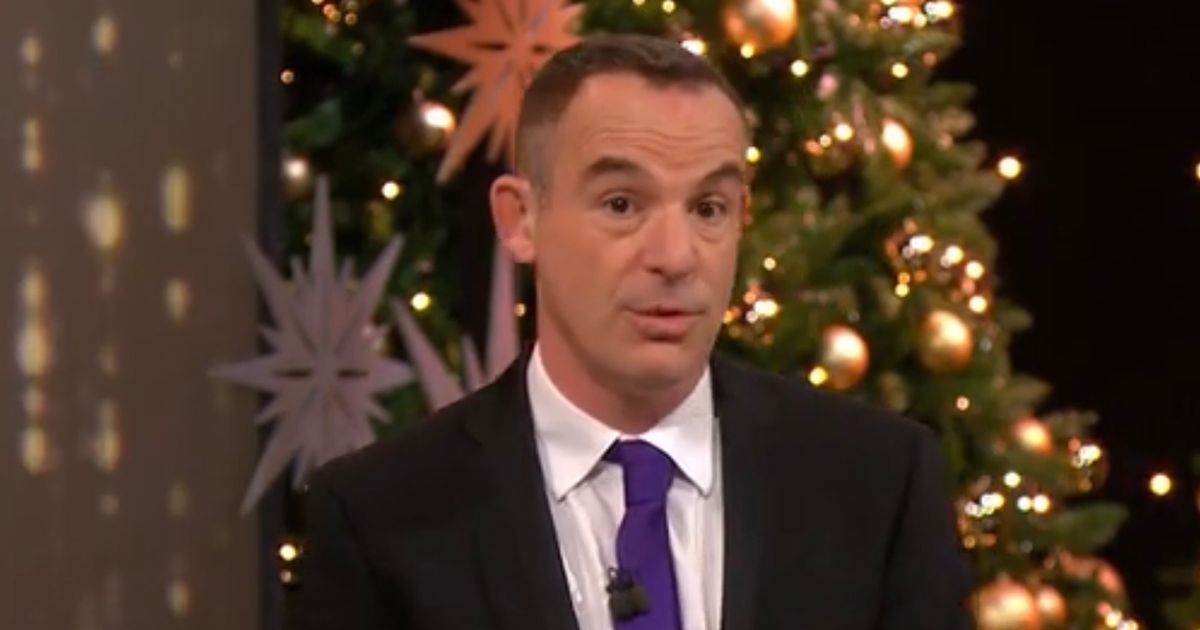
Martin Lewis is urging people over State Pension age not to be put off working due to the likelihood they might pay income tax due to the frozen Personal Allowance threshold. The Labour Government confirmed earlier this year that the Personal Allowance will remain frozen at £12,570 until April 2028, however, the New State Pension is on track to exceed that limit by April 2027.
In the latest episode of The Martin Lewis Money Show Live, the consumer champion warned that the New State Pension – for people who retired after April 2016 – will be higher than the Personal Allowance, but only the excess is taxed, not the full amount. But he encouraged anyone thinking about working to do so as “you’ll always earn more the more you get paid”.
His comments came after State Pensioner Marie contacted the programme. She said: “I am 67, a pensioner, and like many pensioners, find the cost of living so high I need to get a part time job. What are the tax implications? Even though my State Pension is less than £12,000 a year, would I still be taxed on it, especially with the budget coming?”
READ MORE: New way for older people to claim backdated State Pension paymentsREAD MORE: Pensioners urged to check if they will pay tax in retirement next year
Martin responded: “Let’s be clear, the State Pension is taxable income and has always been taxable income, but most people can earn £12,570 a year without paying tax.”
He went on to explain how someone on the full, New State Pension currently receives £11,973 – which is well below the Personal Allowance threshold of £12,570.
The financial guru added that anyone whose sole income is the new State Pension over the 2026/27 financial year, which starts on April 6, will still not pay any tax on their payments.
However, once the freeze ends in April 2028 and with the Triple Lock being honoured by the Labour Government, someone only on the full New State Pension will pay tax.
Martin told viewers: “It will probably be the first time that someone on the full New State Pension will pay tax on that income even if they don’t earn anything else.”
He also pointed out that the “very likelihood is that if you’re doing any form of work you’re going to go over that Personal Allowance and you will pay tax on your total income on the State Pension plus your other earnings”.
But to allay any fears anyone has about the amount of tax someone may have to pay he explained how it is only the amount over the Personal Allowance that will be taxed, not the combined incomes.
He added: “The big message whether you’re 67 or you’re just leaving school and you’re working, the more you earn the more you take home.
“Yes tax comes off but it’s never worth not working because of tax and thinking that ‘I’ll earn less because of tax’ – you won’t, you’ll always earn more the more you get paid, so if you need more money, you’ll have to pay some tax, but but at least you’ll take home more.”
You can catch up with the latest episode of The Martin Lewis Show Live on the STV Player or ITVX.
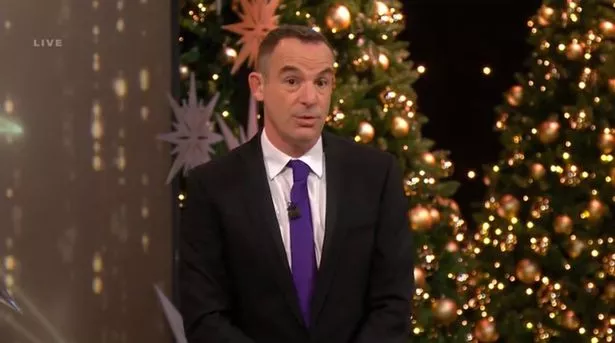
Martin Lewis presenting the Martin Lewis Show on ITV.(Image: ITV)
State Pension annual uprating
Under the Triple Lock, the New and Basic State Pension increase each year in-line with whichever is the highest between average annual earnings growth from May to July (4.8%), Consumer Price Index (CPI) inflation in the year to September (3.8%) or 2.5 per cent.
People on the full New State Pension could see payments rise by around £574 next year under the Triple Lock as earnings growth (4.8% including bonuses) has outpaced the rate of inflation (3.8%).
The increase under the earnings growth would see weekly payments of the New State Pension rise to up to £241.30 and £184.90 for those on the Basic State Pension.
Chancellor Rachel Reeves will announce the annual uprating at the Autumn Budget on November 26. An uprating of 4.8 per cent on the current State Pension would mean people receive the following amounts:
Full New State PensionWeekly: £241.30 (from £230.25)Four-weekly pay period: £965.20Annual amount: £12,547Full Basic State PensionWeekly: £184.90 (from £176.45)Four-weekly pay period: £739.60Annual amount: £9,614State Pension and tax
Guidance on GOV.UK states: “You pay tax if your total annual income adds up to more than your Personal Allowance. Find out about your Personal Allowance and Income Tax rates.
Your total income could include:
the State Pension you get – Basic or New State PensionAdditional State Pensiona private pension (workplace or personal) – you can take some of this tax-freeearnings from employment or self-employmentany taxable benefits you getany other income, such as money from investments, property or savingsCheck if you have to pay tax on your pension
Before you can check, you will need to know:
if you have a State Pension or a private pensionhow much State Pension and private pension income you will get this tax year (April 6 to April 5)the amount of any other taxable income you’ll get this tax year (for example, from employment or state benefits)
You cannot use this tool if you get:
any foreign incomeMarriage AllowanceBlind Person’s Allowance
Use this online tool at GOV.UK to check if you have to pay tax on your pension. The full guide to tax when you get a pension can be found on GOV.UK here.
 Get the latest Record Money news
Join the conversation on our Money Saving Scotland Facebook group for money-saving tips, the latest State Pension and benefits news, energy bill advice and cost of living updates.
Sign up to our Record Money newsletter and get the top stories sent to your inbox daily from Monday to Friday with a special cost of living edition every Thursday – sign up here.
You can also follow us on X (formerly Twitter) @Recordmoney_ for regular updates throughout the day or get money news alerts on your phone by joining our Daily Record Money WhatsApp community.