Published on
November 22, 2025

Spain’s impressive economic growth of three and a half percent is a testament to the power of its booming tourism sector and the significant influx of immigrants. Unlike many European countries facing stagnation, Spain has leveraged its rich cultural offerings and strategic immigration policies to drive job creation and boost economic activity. This combination of factors has not only accelerated growth but has also allowed Spain to build a more diversified and resilient economy, setting an example for other nations struggling to regain momentum.
Spain’s Economic Resurgence: A Beacon of Growth Amid Europe’s Slowdown
While much of Europe grapples with economic stagnation, Spain has managed to buck the trend with remarkable success. The country’s economy surged by 3.5% last year, an impressive feat that stands in stark contrast to the overall sluggishness of its European neighbors. However, the reasons behind Spain’s unexpected prosperity are far more complex than just its idyllic climate and vibrant culture. At the heart of this economic miracle lies an extraordinary boom in tourism and an influx of immigrants that has helped fuel job creation and overall growth. But how did Spain reverse its fortunes, and can its approach serve as a model for the rest of Europe?
Tourism: The Lifeblood of Spain’s Economic Revival
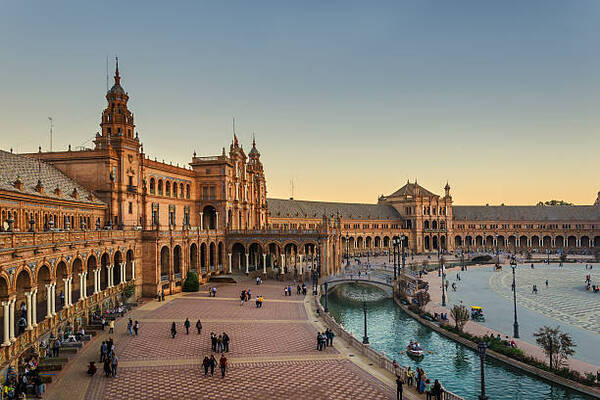
Tourism has long been a cornerstone of Spain’s economy, but the recent years have seen an unprecedented surge in visitors. With millions flocking to the country’s famous beaches, historic cities, and cultural landmarks, the tourism sector has provided a significant boost to the nation’s GDP. In fact, tourism accounts for nearly 14% of Spain’s economic output, and the sector has played a pivotal role in reversing the economic downturn of the past decade.
This boom in tourism can be attributed to a range of factors. Spain’s well-established reputation as a premier holiday destination is complemented by its relatively affordable cost of living compared to other European countries, making it an attractive option for international travelers. Additionally, Spain’s strategic investments in infrastructure, including high-speed rail networks and modern airports, have made it easier for tourists to travel within the country, further bolstering its tourism appeal.
While many European countries have struggled to regain pre-pandemic tourism levels, Spain has seen a steady rise in visitor numbers, particularly from key international markets such as the United States, the United Kingdom, and Germany. The country’s ability to recover so quickly from the disruptions of the pandemic has not only boosted its economic growth but also positioned it as a leader in the European tourism industry.
Immigration: A Key Driver of Economic Growth
In addition to tourism, Spain’s ability to attract immigrants has played a crucial role in its economic recovery. In recent years, the country has experienced a record influx of foreign nationals, particularly from Latin America, North Africa, and Eastern Europe. These new arrivals have helped fill gaps in the labor market, particularly in sectors such as agriculture, construction, and hospitality.
Immigration has also provided a much-needed boost to Spain’s aging population. As the country faces demographic challenges, with a declining birthrate and an increasing number of retirees, immigrants have become essential in maintaining a balanced and sustainable workforce. By welcoming people from diverse backgrounds, Spain has not only addressed labor shortages but has also fostered a multicultural society that contributes to the country’s dynamic economy.
The influx of immigrants has been particularly significant in Spain’s major cities, such as Madrid and Barcelona, where new businesses, startups, and cultural exchanges are thriving. These areas have become hubs of innovation and entrepreneurship, attracting both local and international talent. Moreover, the growing presence of immigrants has helped to sustain demand in various industries, from retail to healthcare, providing a steady source of economic activity and growth.
Job Creation and Economic Diversification
The combination of tourism and immigration has had a direct impact on job creation in Spain. As more tourists visit the country, the demand for services—ranging from hospitality and transportation to retail and entertainment—has led to the creation of thousands of new jobs. Additionally, the influx of immigrants has contributed to the expansion of the labor force, providing businesses with the skilled and unskilled workers they need to remain competitive.
Spain has also benefited from a diversified economy, with strong sectors in renewable energy, technology, and manufacturing. The country’s focus on green energy and innovation has allowed it to reduce its dependence on traditional industries while positioning itself as a leader in sustainability. Spain’s investment in renewable energy, particularly wind and solar power, has created new economic opportunities and helped the country transition towards a more sustainable future.
This diversification has insulated Spain from some of the challenges facing other European countries, such as the decline of traditional industries and the uncertainty surrounding global trade. By focusing on emerging sectors, Spain has been able to generate growth while mitigating some of the risks associated with global economic fluctuations.
Why Spain’s Approach Is a Model for Europe
Spain’s success offers valuable lessons for other European nations struggling with stagnation. The country’s ability to combine a booming tourism sector with an influx of immigrants has created a robust and resilient economy. This model could be particularly appealing to countries with similar challenges, such as Italy, Greece, and Portugal, which also rely heavily on tourism and face demographic issues related to an aging population.
However, Spain’s approach is not without its challenges. While immigration has contributed to economic growth, it has also sparked debates about integration and social cohesion. The country must continue to ensure that newcomers are properly integrated into society and have access to the same opportunities as native citizens. Additionally, the country must remain mindful of the environmental impact of its booming tourism industry, ensuring that it continues to prioritize sustainability as part of its economic growth strategy.
The Future of Spain’s Economic Growth
Looking ahead, Spain’s economic prospects remain promising, but the country must navigate several key challenges. Continued investments in infrastructure, education, and innovation will be crucial to maintaining the momentum of recent years. At the same time, Spain must address issues such as housing affordability and income inequality to ensure that the benefits of economic growth are felt by all segments of society.
As Spain’s economy continues to defy Europe’s slowdown, the country stands as a testament to the power of strategic investments in tourism, immigration, and diversification. With the right policies in place, Spain’s economic success could serve as a model for other European nations looking to revitalize their own economies and secure a prosperous future.
Spain’s remarkable economic growth over the past year is a result of the country’s focus on expanding its tourism sector and welcoming immigrants. While other European nations continue to struggle with stagnation, Spain’s ability to combine these two factors has propelled it to new heights of prosperity. As Spain continues to invest in innovation, sustainability, and job creation, its model offers valuable insights for other countries seeking to overcome economic challenges and build a stronger, more diversified future.
