Millions of Americans will be on the move this holiday season. But for many U.S. immigrants, traveling, especially internationally, has become more challenging in the last year.
As the Trump administration ramps up federal immigration enforcement, several local immigration attorneys warn travelers to be cautious, and to make sure they have all travel documents in order, especially if they’re planning to leave and return to the United States.
“If you do not have status and you can’t travel, it can be a very lonely period for those people,” said Paschal Nwokocha, a Minneapolis-based immigration attorney.
Here’s what you need to know as an immigrant traveling by air this year:
Before you arrive
Make sure you bring a form of identification with you to the airport. Passengers boarding a flight need to show a Real ID drivers license or identification card, or other form of acceptable identification. Undocumented Minnesotans cannot obtain a Real ID, according to several immigration attorneys.
Other acceptable forms of identification include a U.S. passport, a foreign passport, a permanent resident card or a border-crossing card.
“They want to make sure they have their current residency card and make sure that date of the card is still valid because people don’t want to be gone and have the card expire on them while they are overseas,” Nwokocha said.
As an undocumented immigrant, he said it’s possible to purchase an airline ticket to travel to another state or out of the country. But after they leave the country, he said there’s not an option to return through the airport.
Passengers should also have physical copies of their travel documents. They should also check to make sure the dates of those documents do not expire before they get to the airport and when they return to the United States.
A copy of travel documents and identification is important to show officers in case they stop to ask you about immigration status, said George Maxwell, a Minneapolis-based immigration attorney. Whether traveling abroad or between states, it’s possible to still encounter federal immigrant agents at your destination — so it helps to have those documents of legal U.S. residence on hand.
Immigrants who entered the United States with a visa, such as an employment-based visa, need to bring a 1-94 document that shows a record of legal residence in the United States. International students should bring a 1-94 and a 1-20 document confirming the student is in good standing and can return from traveling abroad.
International students should also check their status is still active on the Student and Exchange Visitor Information System national database before traveling, said Steven Thal, a local immigration attorney.
The bar is higher when you come back compared to leaving the country, according to several immigration attorneys. An airport is a port of entry, meaning that goods and people can travel in and out of the country.
Those traveling to countries that fall under Trump’s travel ban may face increased screening by U.S. Customs and Border Protection when they return, Thal said.
Those with past criminal charges can also expect more scrutiny when returning to the U.S., said David Wilson, a local immigration attorney. Officers have access to law enforcement databases, credit portals and contacts with other federal agencies that allow them to review criminal history. But Wilson recommends bringing documentation to help make your case. He said it is “a lot easier than sitting there for hours while the government tries to find them.”
Going through security
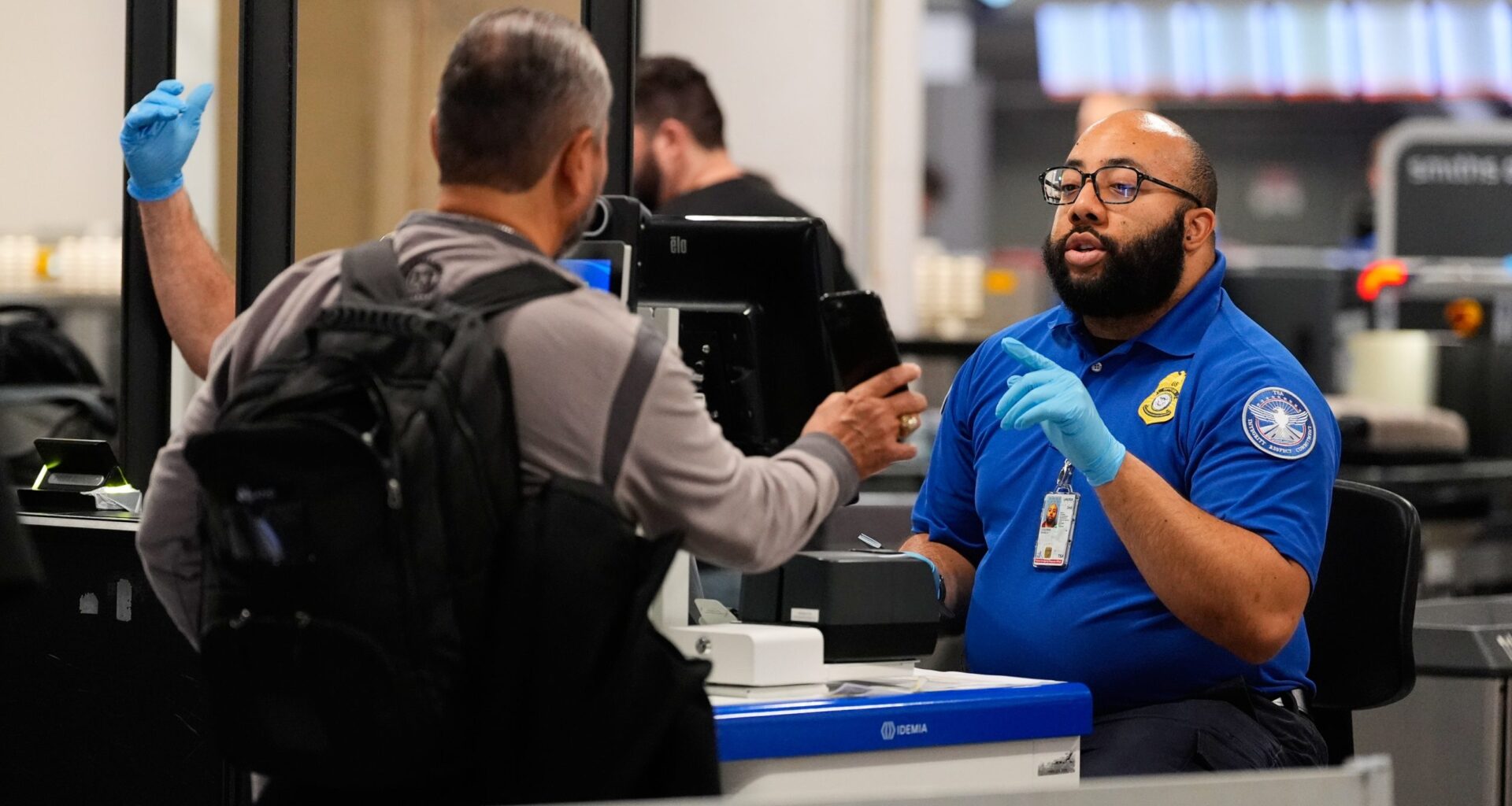
For most travelers, the first step is passing through the security line, where Transportation Security Administration (TSA) agents scan their boarding pass and check identification. For most, this is a straightforward process, but those using only a foreign passport to travel may face additional questions, Wilson said.
Airports are a “peculiar area,” because passengers have constitutional rights, but he said they are also in an area controlled by the federal government that has given authority to officers to go search fliers’ electronic devices, luggage and their bodies.
To prevent an officer from going through your phone, turn it off before going through security, said Ana Pottratz Acosta, a University of Minnesota professor who teaches immigration law. She also said to turn on a passcode and turn off any passwords that use your fingerprint or facial recognition.
“I think people just should just be very careful and make sure that they have all their documents in order before they travel either domestically or internationally,” she said.
Coming back
The Trump administration has issued a flurry of policies that tighten enforcement and make it harder for immigrants to enter the U.S. In this environment of heightened scrutiny, immigration attorneys suggest that immigrants think hard about whether they need to travel internationally.
“If there’s any doubt about how they resolve a criminal case and their ability to travel, I can’t say enough — please ask before you get on the plane,” Wilson said.
When travelers return through a port of entry, CBP officers are in charge of reviewing identification and travel documents. Most pass through that process without being stopped. CBP officers can randomly select flight passengers for secondary inspection, even U.S. citizens, which is a process of further screening to verify a traveler’s information or evaluate whether or not they are allowed back into the United States.
However, secondary inspection could also occur after CBP officers are flagged because of a traveler’s criminal history or if the administration issues a new policy or fee blocking some travelers from returning to the United States.
During a secondary inspection, CBP officers bring the passenger to a separate room. Officers ask questions related to immigration status, including school background, marriage and travel history. They may allow you to contact an immigration attorney, but you are not entitled to legal representation.
“They can hold you as long as they need to,” Wilson said, adding that passengers often miss their connecting flights because of secondary inspections.
If a passenger has a connecting flight in a different country, he said that it is possible that staff at foreign airports may question you if they suspect that the United States will not accept you back into the country.
When denied re-entry to the United States, passengers may choose to withdraw their request to be admitted and return back to their home country on a flight — possibly even on the same day. Or they may choose to be placed in removal proceedings, where they face a judge in immigration court to decide their fate. CBP officers also have the authority to place passengers in expedited removal, a process that quickly deports them without a hearing.