The United States has told European allies that long-term security guarantees for Ukraine will be discussed only after a peace agreement is signed – even as the Trump administration publicly insists the guarantees must be part of the deal, according to several European diplomats familiar with the conversations.
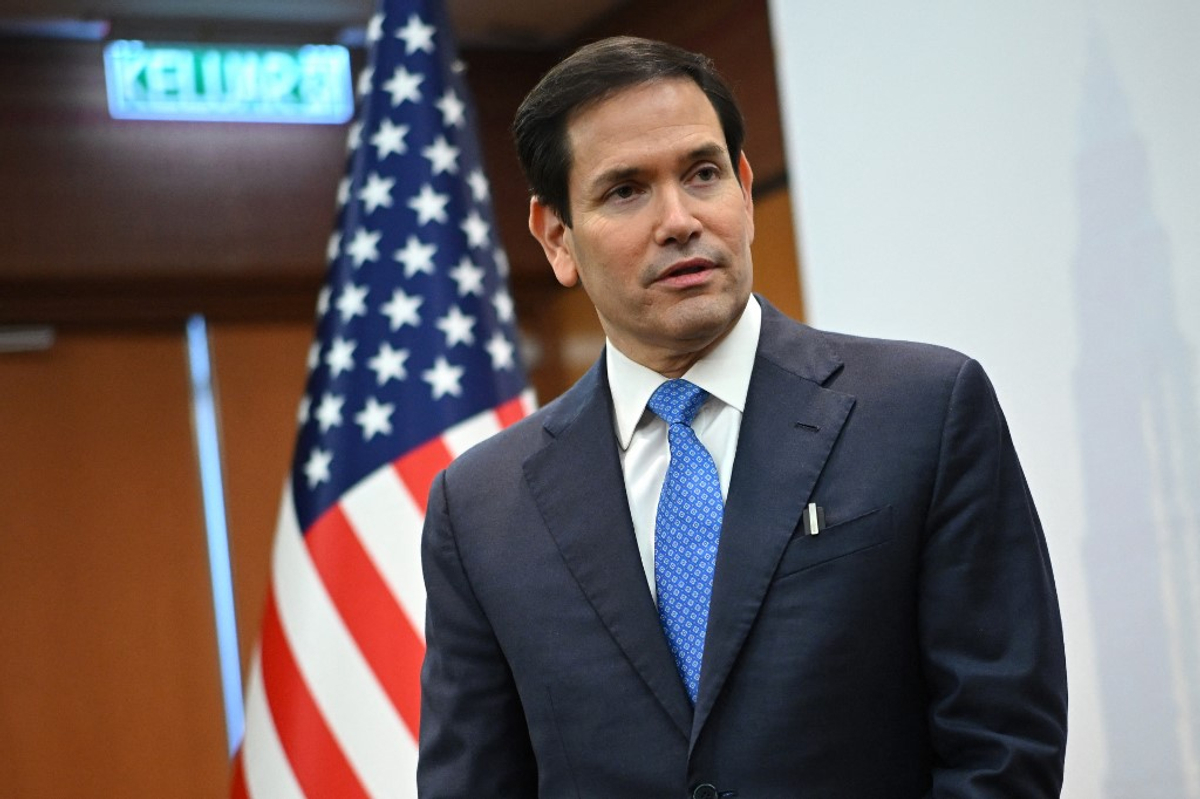
Politico first reported that US Secretary of State Marco Rubio told European officials on a call Tuesday that Washington wants a peace deal in place before committing to any security guarantees for Kyiv.
Follow our coverage of the war on the @Kyivpost_official.
Rubio said President Donald Trump plans to negotiate long-term measures to ensure Ukraine feels safe, the diplomats said.
Security guarantees have been a central demand for Kyiv in any settlement with Russia. But European officials say they are struggling to understand the shifting signals coming from Washington, as the situation evolves quickly and messages from US officials appear to contradict one another.
A second European diplomat said Rubio said that security guarantees are a top priority for the administration and should be handled separately from points the sides have already agreed on. He added that Washington wants the overall package finalized quickly.
The US shared a draft peace plan with Ukraine in mid-November. The original document had 28 points and called for territorial concessions, limits on Ukraine’s military and a permanent ban on joining NATO – key Kremlin demands.
Other Topics of Interest
Witkoff’s Credibility ‘Absolutely’ Shot, Ex-Ambassador Says, but Urges Ukraine to Stay in Talks
Former US Ambassador to Ukraine William Taylor tells Kyiv Post Trump must ‘provide teeth for talks’ to pressure Putin ahead of envoy’s Moscow visit.
After a meeting in Geneva – where EU, US and Ukrainian officials scrambled to rewrite the plan and make the terms more favorable to Kyiv – the draft was reduced to 22 points.
US officials said only a few disagreements remain. But a senior Ukrainian source told CNN that Kyiv rejected three major points: handing over the non-occupied part of Donbas to Russia, capping the Ukrainian military at 600,000 troops, and abandoning its goal of joining NATO.
Washington had earlier pushed for Ukraine to accept the terms by Nov. 27. Trump himself seemed to take a hard line when asked about the plan, saying, “He’ll have to like it – and if he doesn’t like it, then, you know, they should just keep fighting, I guess,” referring to Zelensky.
US negotiators privately warned Kyiv that the coming months could be critical and that Ukraine risks losing more territory if the battlefield situation does not improve.
However, Trump later suggested some flexibility on the timeline, saying that while Nov. 27 is “an appropriate point for a decision,” deadlines could be extended “if things are working well.”
After the Geneva talks Ukraine suggested a visit by Zelensky to Washington to discuss the most sensitive parts of the proposal.
But Trump said he would meet Zelensky and Russian President Vladimir Putin only when a ceasefire deal is close to being finalized.
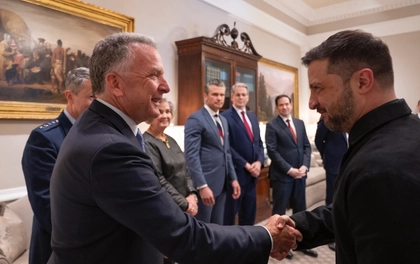
He sent his special envoy, Steve Witkoff, to Moscow for talks with Putin, and directed US Army Secretary Dan Driscoll to keep in contact with Kyiv.