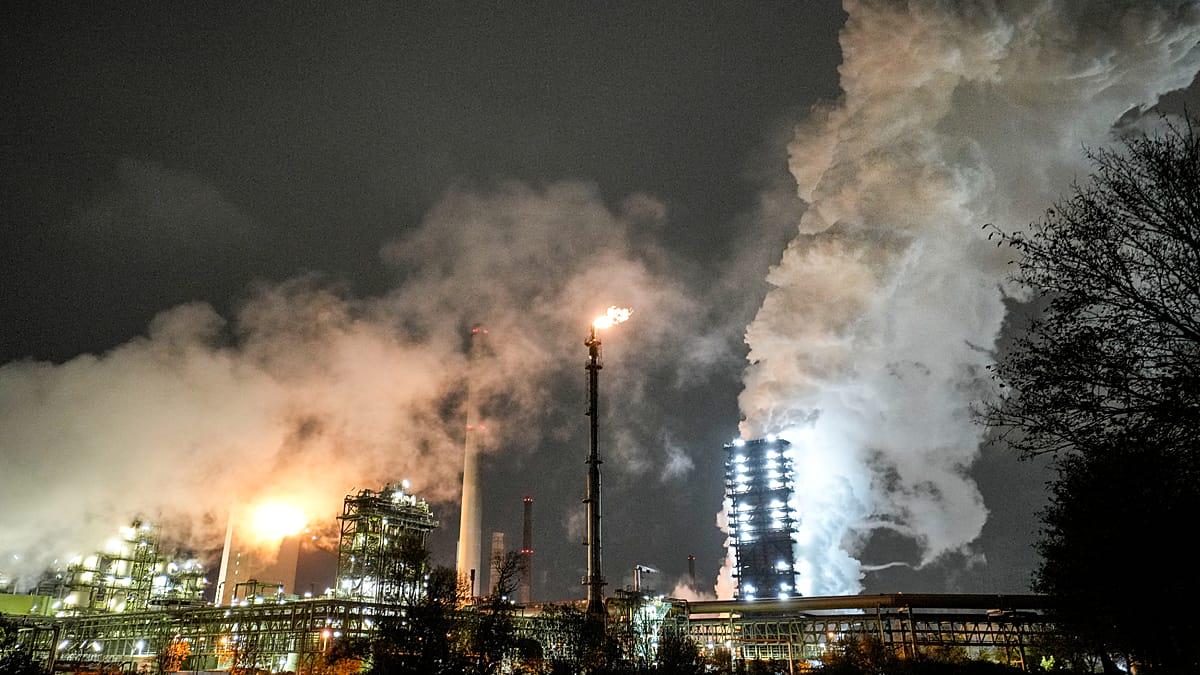
Rising energy prices threaten Europe’s climate ambitions.
https://www.euronews.com/business/2025/11/27/going-green-will-high-energy-costs-derail-europes-climate-goals
by Novel_Negotiation224
Rising energy prices threaten Europe’s climate ambitions.
https://www.euronews.com/business/2025/11/27/going-green-will-high-energy-costs-derail-europes-climate-goals
by Novel_Negotiation224
4 comments
Doing more of what they are currently doing would surely solve it! /S
The EU is actively shifting its climate policy focus from simply setting high emissions targets to aggressively lowering the financial cost of reaching those targets for both industry and consumers.
First, the EU is using its enhanced State Aid framework, known as CISAF, to allow governments to provide targeted financial support to key energy-intensive industries like steel and chemicals. The main goal here is to prevent these European industries from shutting down or relocating outside the EU due to high domestic energy prices—a phenomenon known as carbon leakage. Additionally, the EU is helping large industrial energy users secure more predictable costs by promoting and supporting Corporate Power Purchase Agreements (PPAs), which lock in stable, long-term electricity rates directly from renewable energy producers, bypassing volatile spot markets.
Second, the EU is tackling the structural causes of high prices. It is pushing member states to implement the Revised Renewable Energy Directive (RED III) to drastically speed up permitting for new renewable energy projects, storage, and grid upgrades. This rapid build-out of domestic, cheap solar and wind power is the long-term solution to lowering system-wide costs. Simultaneously, the Commission is encouraging member states to reduce national taxes and levies on electricity bills to address the structural factors that keep European power prices elevated compared to the US and China.
Finally, to mitigate the social impact of expanding carbon pricing (ETS2, which covers heating and transport), the EU established the Social Climate Fund (SCF). This fund, financed by the ETS, is designed to directly support vulnerable households and businesses with investments in energy efficiency and clean mobility, ensuring the transition is politically and socially sustainable and preventing a major public backlash against rising costs.
Ah yes, those same European countries who like to lecture much poorer and under developed countries for not doing enough to fight global warming.
They should just increase taxes to 90% to pay for it
Comments are closed.