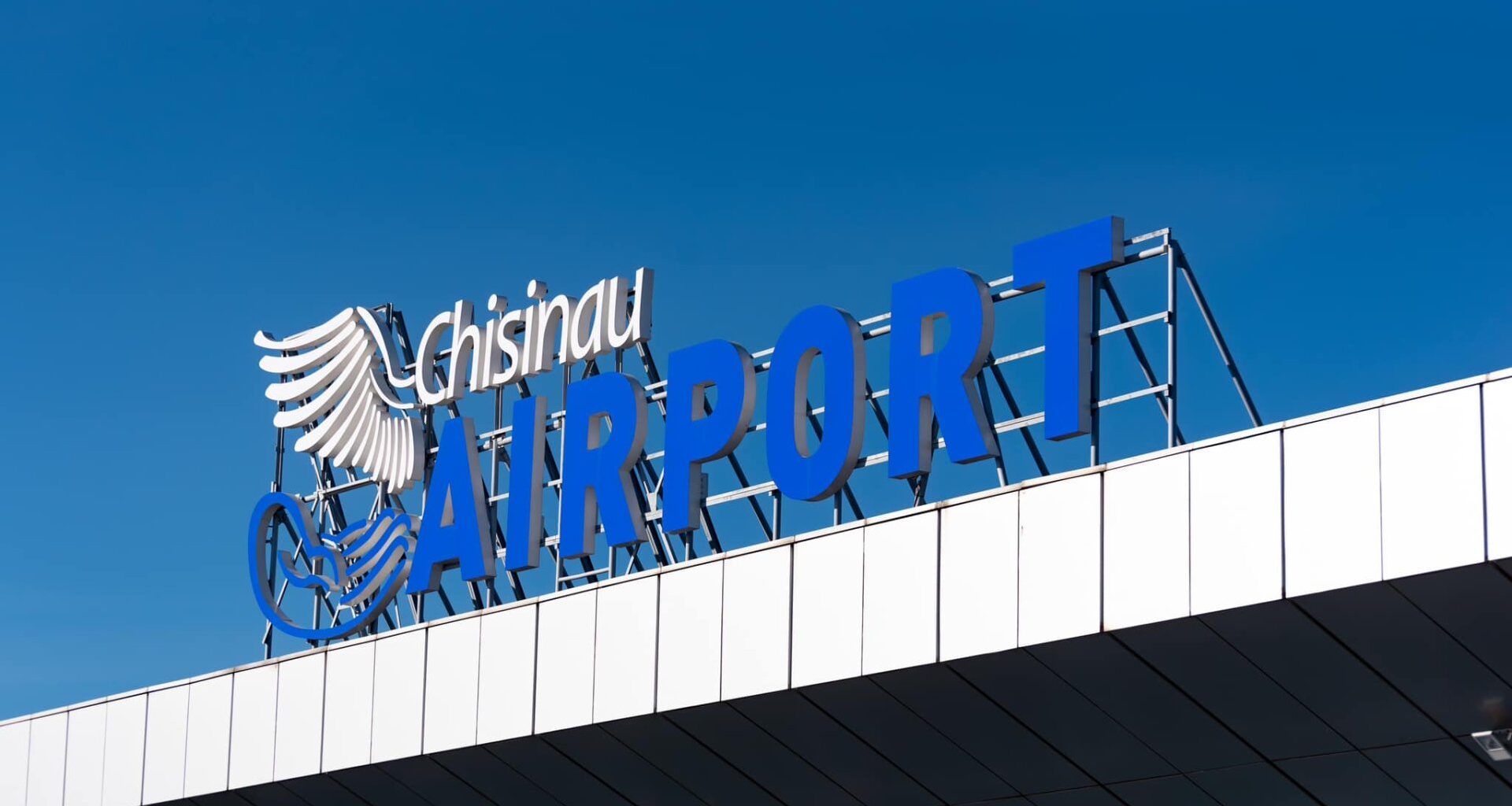
The Republic of Moldova is strengthening its position in the air transport sector, and Chișinău Airport is preparing for an extensive modernization to meet the growing passenger demand and create a strategic regional hub. Deputy Prime Minister, Minister of Infrastructure and Regional Development Vladimir Bolea provided details about the plans to expand and modernize the airport during a TV show.
“Moldova has already become a significant player in the aviation sector. The increase in passenger numbers is natural, due to both domestic and international flow, including Ukrainian citizens. We wish them peace and safe flights, and currently, 25–30% of the passengers are from Ukraine, the rest being Moldovan citizens. This year, we surpassed 5 million passengers, and estimates show that we will soon reach 6 million. This is a clear signal that we need modern, safe, and efficient infrastructure for all airport users,” Bolea stated.
The minister explained that the plan to expand Chișinău Airport is already in the bidding stage and will begin in 2026:
“The physical expansion by 5,000 square meters will allow for much better conditions for passengers, with elements of digitization and modern technology adjusted to international standards. This means not only more space but also modern facilities, easy access, and enhanced experience for each passenger.”
The cargo segment is another pillar of the airport’s development: “Mărculești Airport has a 2,400-meter runway and is operational, although it was initially a military airport. This segment can be modernized and used for freight transport, bringing additional revenue and strengthening Moldova’s position as a regional player in the aviation market. Developing the cargo segment is strategic and necessary for our economy.”
Bolea emphasized that the airport modernization is being conducted without external loans:
“The airport’s reconstruction is entirely financed by the company’s resources, without using external credits. All airport revenues contribute to the state budget in the form of taxes and fees. It is a model of financial efficiency and responsibility.”
The minister also mentioned the historical challenges related to airport infrastructure.
“Until 2005, the airport could manage fuel supply, but a vulnerability was created by selling it to private ownership, limiting the capability of supplying fuel to carriers. Today, strengthening the infrastructure and expanding the airport ensures operational independence and safety for all flights.”
In conclusion, Bolea emphasized the importance of investment for regional development.
“This expansion is not just about space and technology. It’s about connectivity, access to services, and economic growth for the Republic of Moldova. We are investing to ensure that every passenger has modern and safe conditions, and that our country becomes an important regional hub for passenger and cargo air transport.”