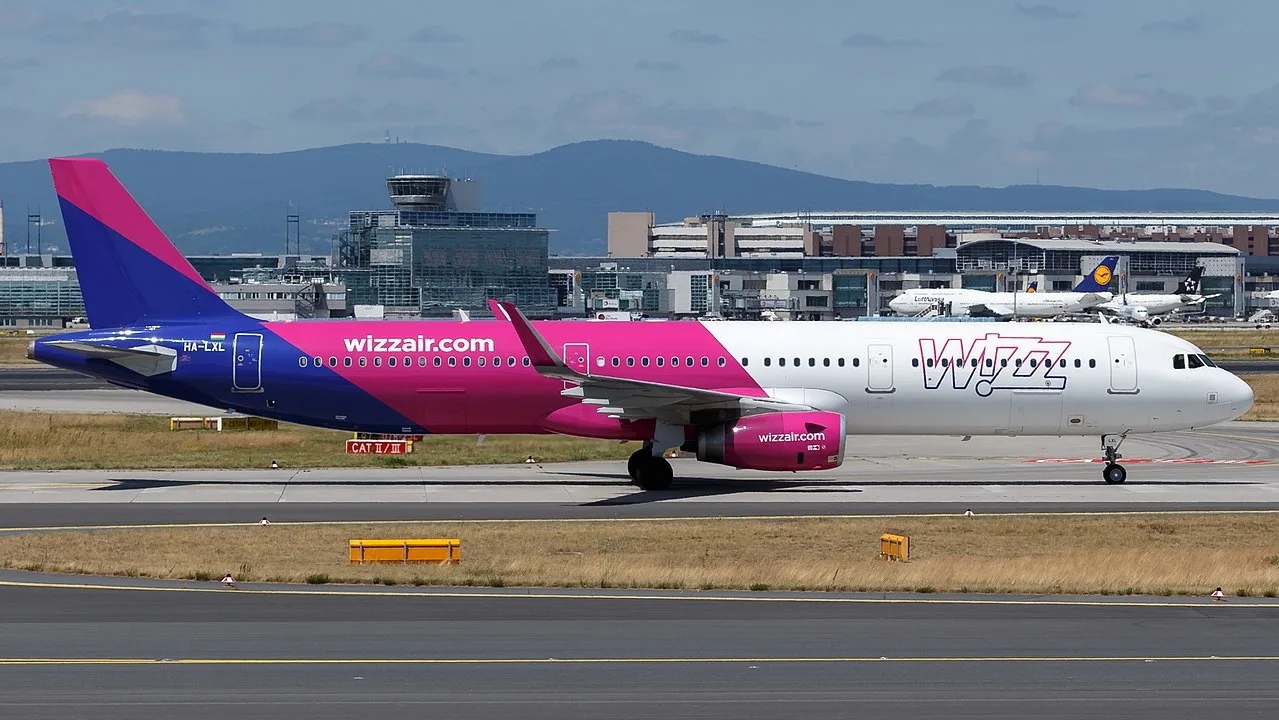
TEL AVIV- Hungarian low-cost carrier Wizz Air (W6) has affirmed that it is committed to launching a full operational base in Israel as early as March or April 2026. The announcement came during CEO József Váradi’s visit to Tel Aviv, where discussions with senior government officials signaled growing momentum for the project.
During meetings with Transportation Minister Miri Regev, Wizz Air outlined plans that could reshape the travel market at Ben Gurion Airport (TLV). The airline expects the hub to significantly expand route options, increase seat capacity, and help lower persistent high fares faced by Israeli travelers.
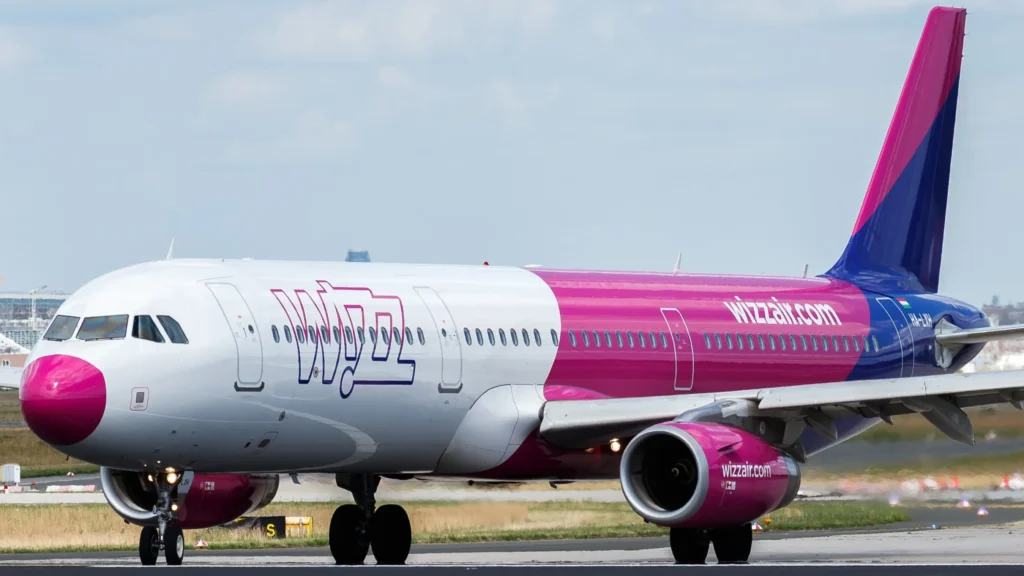 Photo: Wizz Air
Wizz Air Tel Aviv Base
Váradi described the project as a major strategic step, noting that the carrier aims to conclude regulatory negotiations by the end of January. He said both sides are working to resolve technical and operational issues that remain under review.
The decision, he emphasized, represents a substantial investment designed to benefit passengers through competitive pricing and expanded access to European destinations.
Wizz Air currently operates 21 routes from Israel and plans to grow its network to nearly 50 routes within a few years. The airline expects to add around 4 million seats over the next three years, positioning Israel as one of its most important markets in the region.
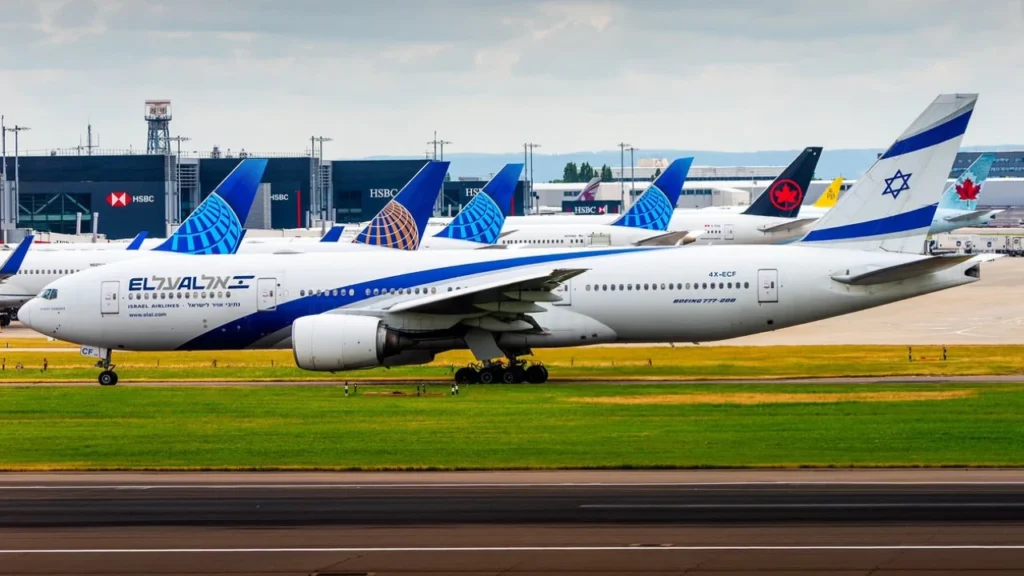 Photo: Siddh Dhuri | MumbaiPlanes
Market Impact of Wizz Air’s Presence
The prospect of a Wizz Air base has stirred opposition from local airlines, including El Al (LY), Arkia (IZ), and Israir (6H). These carriers argue that the plan could threaten national resilience and disrupt their access to strategic slots.
The government, however, sees expanded competition as essential to addressing high prices that soared during the two-year conflict period.
Travel industry analysts say the scale of Wizz Air’s proposal could lead to a meaningful drop in fares, depending on how many aircraft are stationed in the country and whether the base is located at Ben Gurion Airport or Ramon Airport (ETM).
Additional rights, such as seventh-freedom traffic permissions, may also influence future pricing and connectivity.
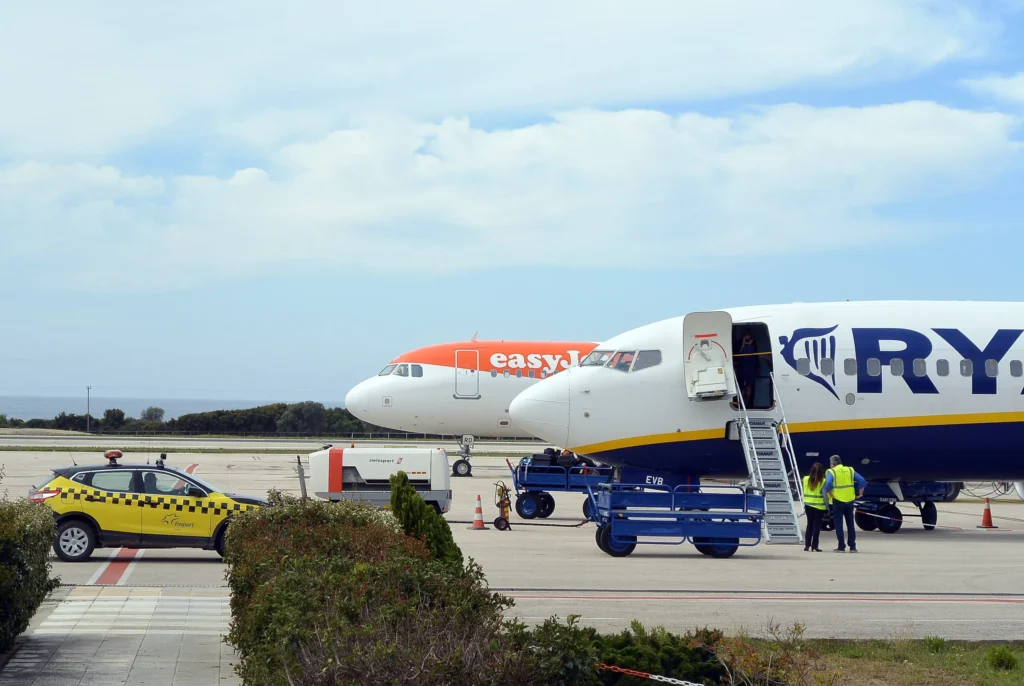 easyJet and Ryanair at Kefalonia Airport; Photo- Wikimedia Commons
Competitive Landscape in Israel
The move comes at a time when several low-cost carriers continue to avoid the Israeli market. Ryanair (FR) has suspended all flights indefinitely, while easyJet (U2) has extended its suspension until at least March 28, 2026.
Their absence has reduced capacity and kept prices elevated, especially on high-demand European routes.
Officials maintain that foreign competition is necessary to stabilize pricing and ensure affordable mobility for the public. The ministry has criticized local carriers for profiting during periods of limited capacity, arguing that a new base would help correct the imbalance.
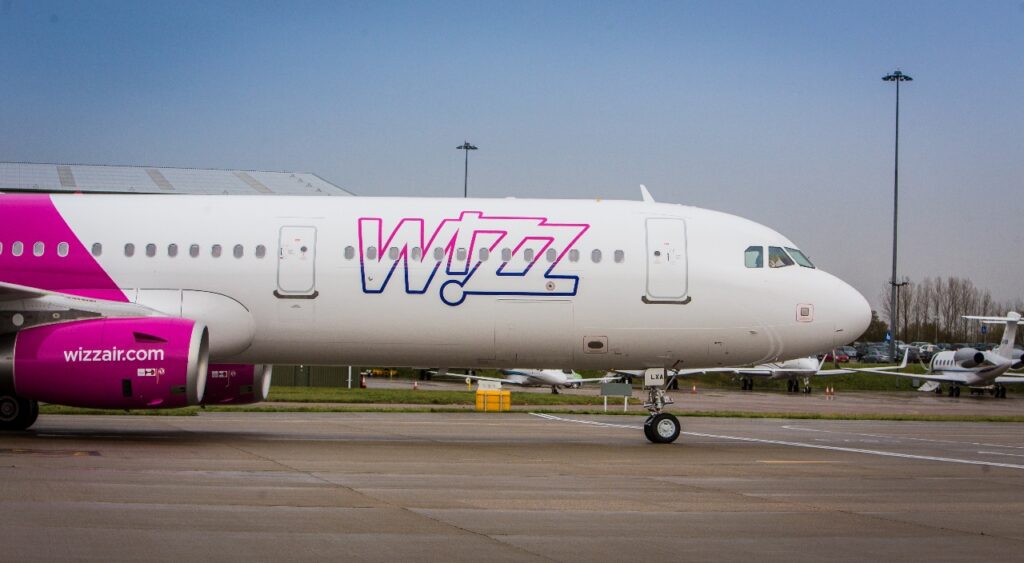 Photo: Wizz Air
Bottom Line
Wizz Air’s commitment to establishing an Israel hub marks a potentially transformative moment for the market.
If implemented as planned, the base could introduce more routes, increase seat supply, and apply sustained pricing pressure on incumbents.
Final approval will hinge on ongoing negotiations, but the government and Wizz Air appear aligned in their goal to deliver lower fares and stronger connectivity in the coming years.
Stay tuned with us. Further, follow us on social media for the latest updates.
Join us on Telegram Group for the Latest Aviation Updates. Subsequently, follow us on Google News