Russian provocations are pushing European capitals to act more proactively in their response, according to a report by Politico.
Despite waging a full-scale war against Ukraine since February 2022, Moscow has also intensified its hybrid attacks across Europe in an effort to destabilize democratic nations.اضا�ة اعلان
In recent months, Russian tactics have included the use of drones, fighter jet incursions, GPS jamming, and even the sabotage of a key railway line in Poland—an attack Polish Prime Minister Donald Tusk described as an act of “state-sponsored Russian terrorism.�
According to the newspaper, Europe is now planning a collective response, based on comments from several senior European officials and EU diplomats.
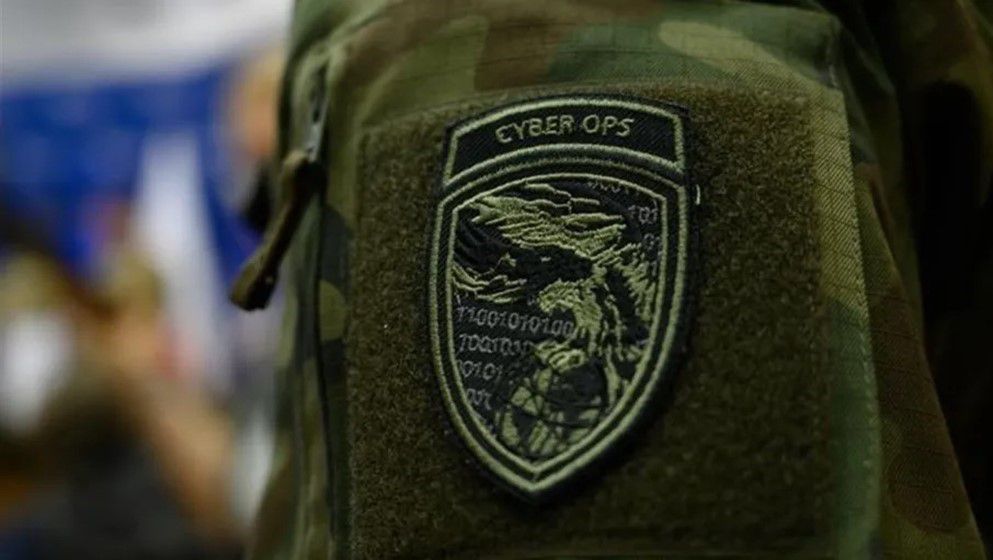
Proposals under consideration include launching joint offensive cyber operations against Russia, conducting unexpected NATO-led military exercises, and speeding up and coordinating the attribution process for hybrid attacks.
Latvian Foreign Minister Baiba Braže asked in an interview with Politico: “The Russians are constantly testing the limits—what is the response? And how far can we go?� She added that “the most effective response has to be practical, not just words.�
Military Exercises Without Prior Notice?
A NATO diplomat said the alliance is a defensive organization and will not “stoop to using the same tactics as Russia,� but noted that “asymmetric responses are an important part of the discussion.�
One idea being floated is the rapid public attribution of any hybrid attack to Moscow, as well as holding unannounced military exercises along Russia’s borders with frontline states such as the Baltic countries.
Braže also said European states must become “more proactive in cyber offense,� including targeting systems linked to Russia’s war machine.
Last week, Italian Defense Minister Guido Crosetto criticized Europe’s “paralysis� in the face of hybrid attacks and unveiled a 125-page response plan. It includes establishing a European center for countering hybrid warfare, creating a 1,500-person cyber force, and adding military experts specializing in artificial intelligence.