TAIPEI— Chinese airlines have sharply reduced flights to Japan for December as political tensions surrounding Taiwan continue to escalate. The cuts now affect dozens of routes connecting major Chinese cities such as Shanghai, Beijing, and Nanjing with Japan’s busiest airports.
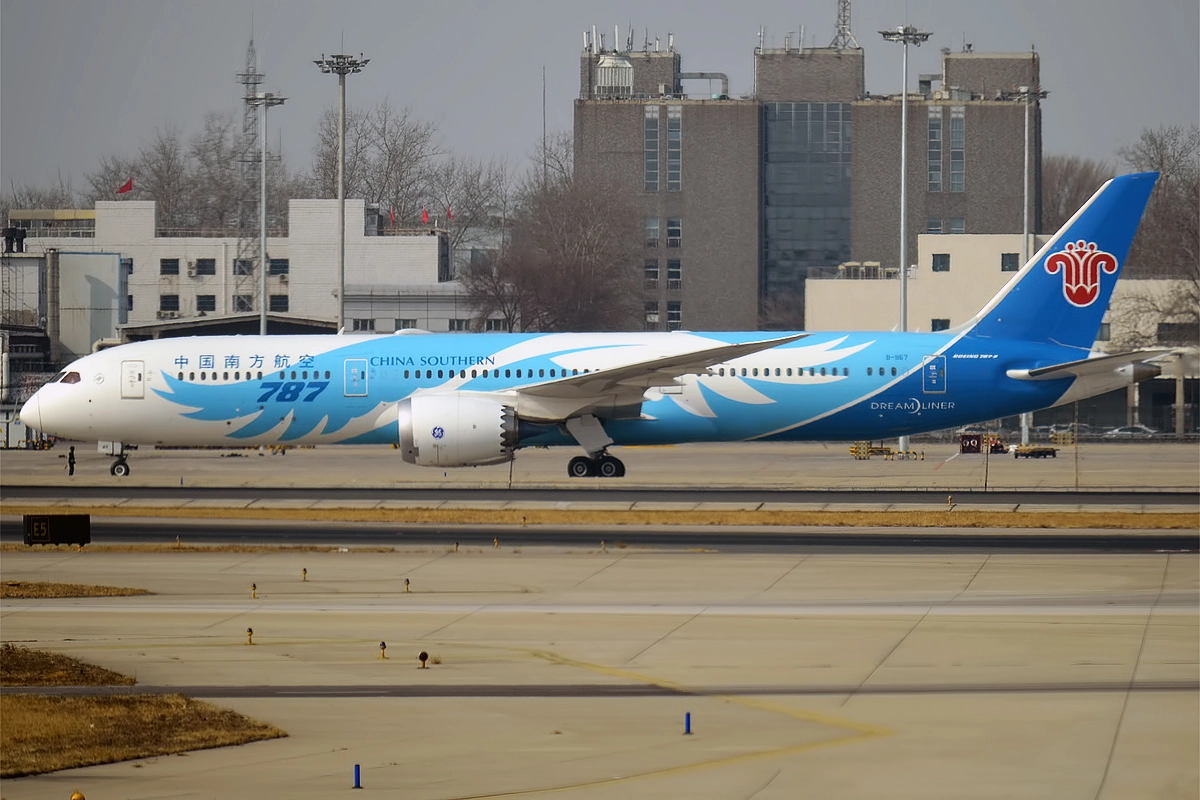
The cancellation wave represents a major shift in cross-border aviation patterns, with carriers withdrawing services across several major Japanese gateways, including Kansai Airport (KIX) and Tokyo Narita Airport (NRT). Chinese airlines such as China Eastern (MU) and China Southern (CZ) have begun implementing large-scale schedule cuts.
 Photo: By byeangel from Tsingtao, China – B-5293 | China Eastern Airlines | Boeing 737-79P(WL) | Golden Peacock Livery | CAN, CC BY-SA 2.0, https://commons.wikimedia.org/w/index.php?curid=39503334
Chinese Airlines Flight Cuts Surge
Chinese carriers canceled more than 900 flights for December, representing over 16 percent of the originally scheduled 5,548 services.
The withdrawal spans 72 routes, touching 13 Japanese airports. Kansai Airport (KIX) faced the largest impact, losing 626 inbound flights. These include cancellations of 80 flights from Nanjing, 71 from Shanghai, and 58 from Beijing.
Tokyo Narita (NRT) and Nagoya Chubu (NGO) each recorded 68 canceled flights. New Chitose Airport (CTS) in Hokkaido reported 61 cancellations, while Naha Airport (OKA) in Okinawa saw 26 flights cut.
Tokyo Haneda Airport (HND), with nearly 1,000 inbound China flights planned, faced only seven cancellations.
The reductions follow fresh scrutiny of cross-strait relations and mounting diplomatic friction. Industry data indicates a sudden and steep rise in cancellations over 48 hours, Nikkei Asia reported.
 Photo: By MarcelX42 – Own work, CC BY-SA 4.0, https://commons.wikimedia.org/w/index.php?curid=129992449
Airlines Scale Back
Among the major carriers, China Southern canceled 118 flights, while China Eastern withdrew 109. Mid-size Shanghai-based operators reported even steeper cuts. Spring Airlines suspended 182 flights, and Juneyao Airlines removed 166 from its December schedule.
These large adjustments indicate broad industry realignment rather than isolated operational disruptions.
Airport officials in Japan have begun receiving notices from Chinese carriers about upcoming reductions. Leadership at Narita International Airport expects between 10 and 20 percent of its nearly 300 weekly flights to Chinese destinations to be canceled through December.
Economists also note that the scale and speed of these cuts warrant close monitoring, given the diplomatic sensitivities driving the trend.
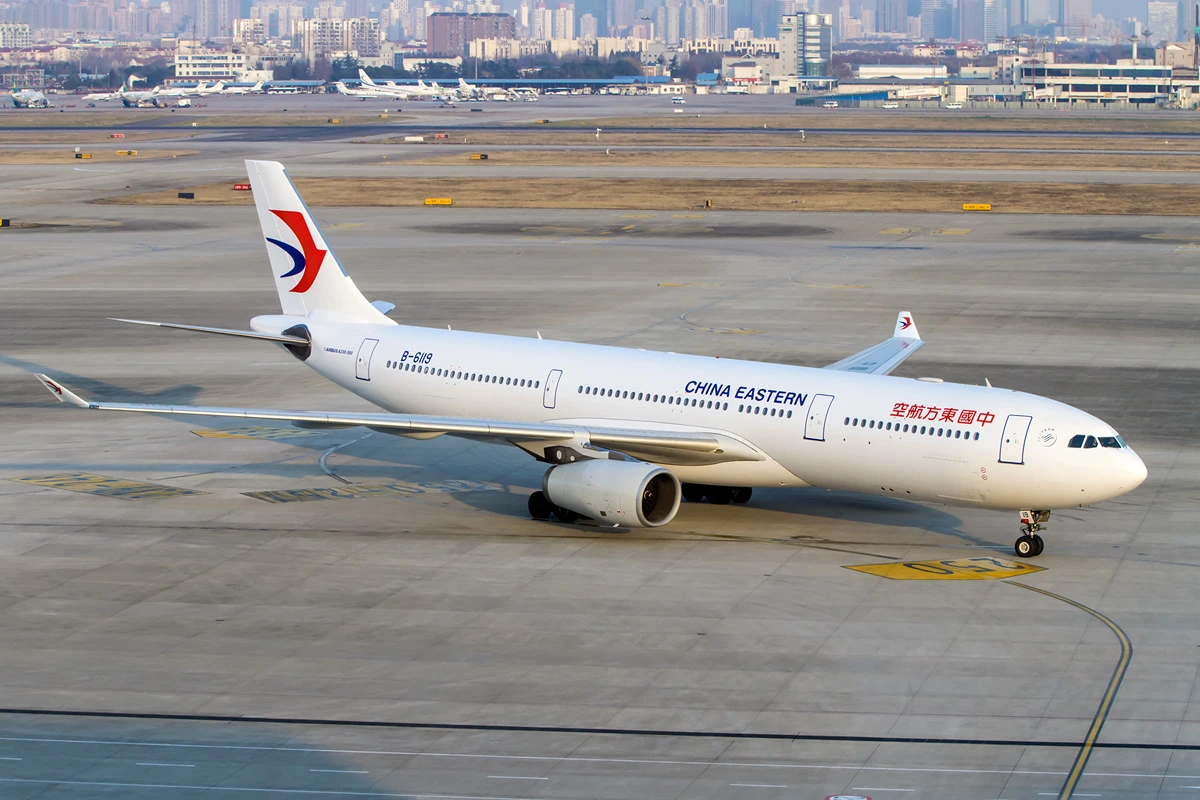 Photo: By Triple Tree – http://www.airliners.net/photo/China-Eastern-Airlines/Airbus-A330-343/2577002/L/, CC BY-SA 4.0, https://commons.wikimedia.org/w/index.php?curid=38074065
Demand and Pricing Impact
As flights disappear from the schedule, airfares have dropped sharply, particularly on key business and leisure routes. Kansai–Shanghai round-trip fares have fallen to nearly half of last year’s prices, reported TaiwanNews.
Travel platforms across Japan report a steep decline in December ticket prices, reflecting both weakened demand and surplus capacity created by cancellations.
Industry analysts expect Japan’s tourism recovery trajectory to be affected. Reduced inbound capacity from China may slow the post-pandemic rebound in key regions that rely on Chinese travelers, particularly Osaka, Hokkaido, and Okinawa.
While Japanese airports continue operating normally, the sudden schedule cuts appear to be part of a larger pattern influenced by political dynamics.
 Photo: By Julian Herzog, CC BY 4.0, https://commons.wikimedia.org/w/index.php?curid=17243843
Bottom Line
The cancellation of more than 900 China–Japan flights signals a significant downturn in cross-border connectivity at a sensitive moment in regional politics.
The cuts are widespread, data-driven, and concentrated among major airports across Japan.
As December approaches, aviation authorities and analysts expect further developments as relations between China, Japan, and Taiwan continue to evolve.
Stay tuned with us. Further, follow us on social media for the latest updates.
Join us on Telegram Group for the Latest Aviation Updates. Subsequently, follow us on Google News