In a bid to drive space research and exploration in America, some US senators have introduced the Space Research And Continuing Exploration (RACE) Act. This new bill will play its expected role through the establishment of a National Institute for Space Research, helping the US stay ahead in the global space race.
The Space Research And Continuing Exploration Act Will Shape The Future Of America’s Space Research Following The Retirement Of The ISS
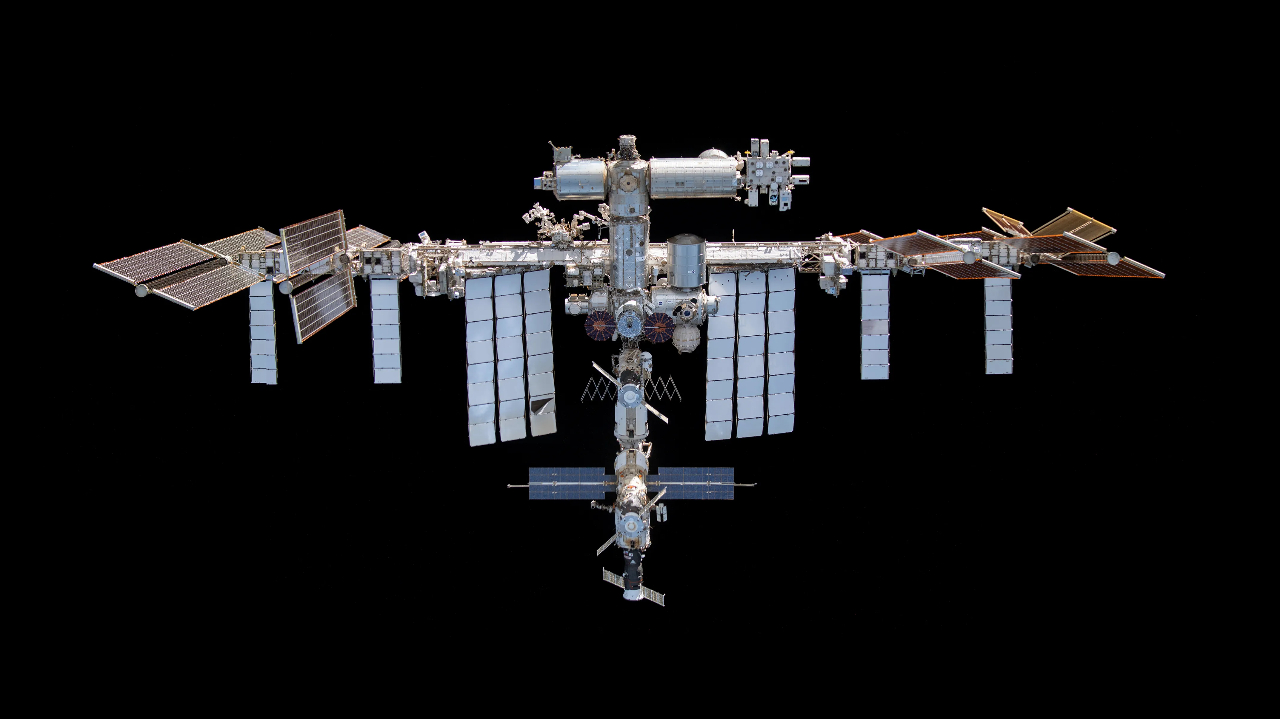
As the US prepares to retire the International Space Station (ISS), China continues to strengthen its presence in space by constantly modifying its Tiangong Space Station. China is also actively promoting international cooperation aboard the Tiangong Space Station.
To better compete with China on space research and exploration, the Space Research And Continuing Exploration (RACE) Act has been introduced as a bill to the US Senate. The Space RACE Act would coordinate and advance microgravity research in LEO through the establishment of the National Institute for Space Research.
It would also create room for public-private partnerships and economic growth by merging the interests of the US government and the commercial sector. With an active presence in space for microgravity research, the US will be able to maintain its geopolitical influence in the space industry, in effect taking the competition to China.
The Space RACE Act was introduced by US Senators John Cornyn (R-TX), John Hickenlooper (D-CO), Roger Wicker (R-MS), Mark Kelly (D-AZ), and Ben Ray Luján (D-NM). Remarkably, Senator Mark Kelly has served on the ISS in 2001, 2006, 2008, and 2011, serving as a Commander for his last two missions to the ISS.
Striving To Win The Space Race Against China
Speaking on the need for the Space RACE Act, US Senator John Cornyn says, “As our foreign adversaries continue to make advancements in space research and exploration, it is critical for America to have every tool and competitive advantage at our disposal to launch into the next space race.” He adds that this newly introduced Act will help strengthen the US’s research capability and strengthen its influence in the global space economy.
If passed into law, this bipartisan bill will ensure “that when the ISS reaches the end of its service, we continue the groundbreaking work it began and maintain America’s leadership in space,” as Senator Mark Kelly points out. More details on this bill will become available in the coming months as it is voted on by the US Senate.