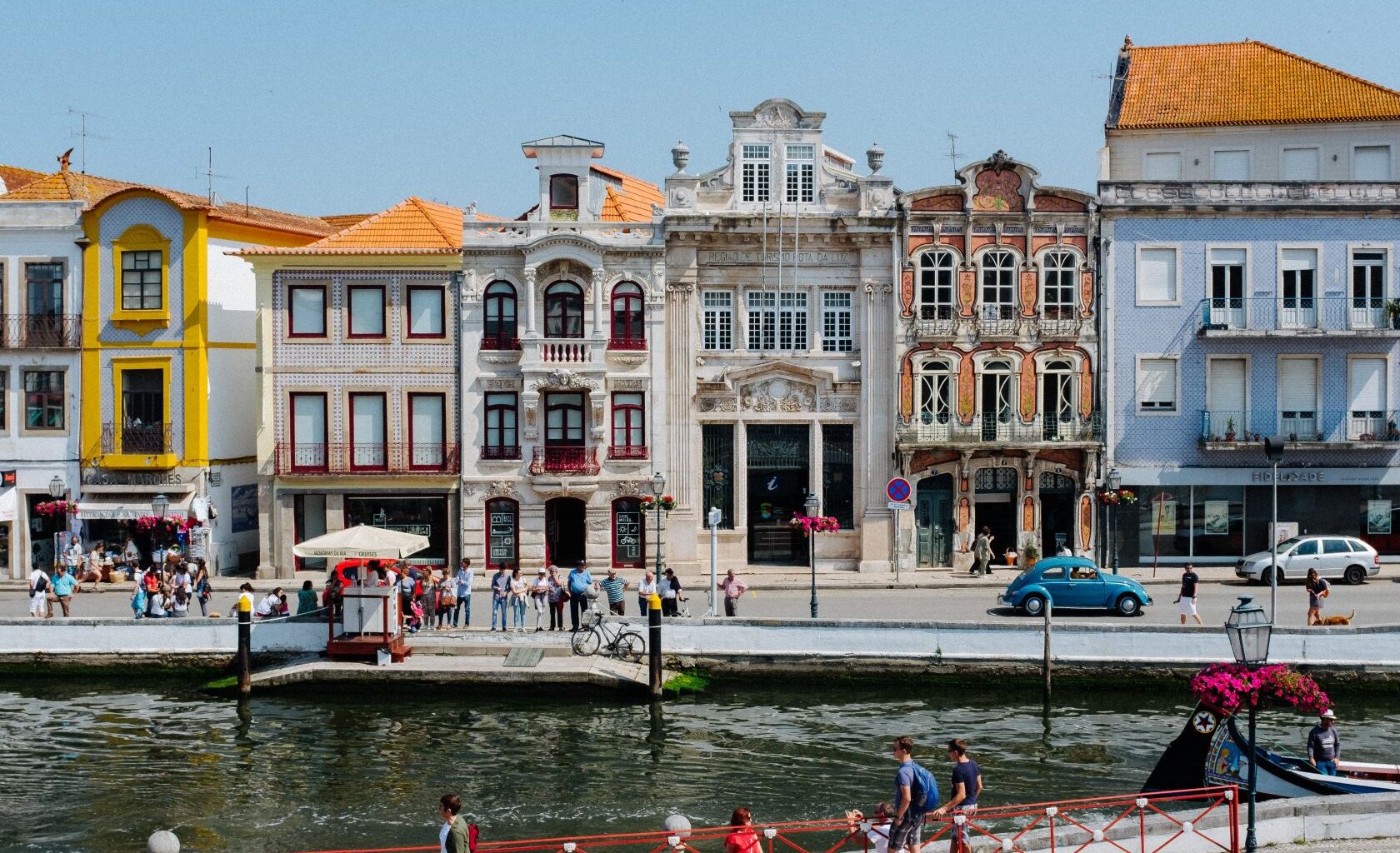
The information is contained in a council note with the main deliberations of the private meeting of the municipal executive led by Luís Souto (PSD/CDS-PP/PPM).
In the note, the city hall informs that it has initiated the procedure for the elaboration of the Regulation of the Municipal Tourist Tax, a measure that “intends to ensure a more balanced and sustainable management of the growing flow of visitors that the city has received in recent years”.
“With this initiative, the municipality of Aveiro reinforces its commitment to balanced tourism management, ensuring that the sector’s growth continues to generate benefits for the community, while simultaneously preserving the identity and quality of life that characterize the city,” explains the city hall.
The City Council highlights that Aveiro has been consolidating itself as one of the main tourist destinations in Portugal, having registered 453,431 overnight stays in 2024, “a new historical high that confirms the trend of sustained increase in demand.”
This tourism growth translates into benefits for the local economy, but also entails additional costs related to cleaning and maintenance of public spaces, mobility, security, visitor information, cultural programming, and management of the most pressured areas, says the municipality, adding that, currently, these costs continue to be borne mainly by municipal resources and, consequently, by residents.
“As is the case in other municipalities with strong tourism dynamics, the Aveiro City Council considers the creation of a tourist tax pertinent, allowing for a more balanced distribution of public costs associated with the activity,” the same note states. According to the city hall, the future regulation will guarantee a clear and legally sound framework, ensuring that the revenue from this tax is reinvested in actions for the preservation, improvement, and sustainability of the territory.
The first experience with the application of such a tax in Portugal was in Aveiro in 2013, with a payment of one euro per overnight stay, but the measure did not achieve the desired success and was abolished by the municipality in April 2014. The then mayor, Ribau Esteves, revoked the regulation that applied it, considering that it harmed tourism and did not have a significant impact on municipal revenue.