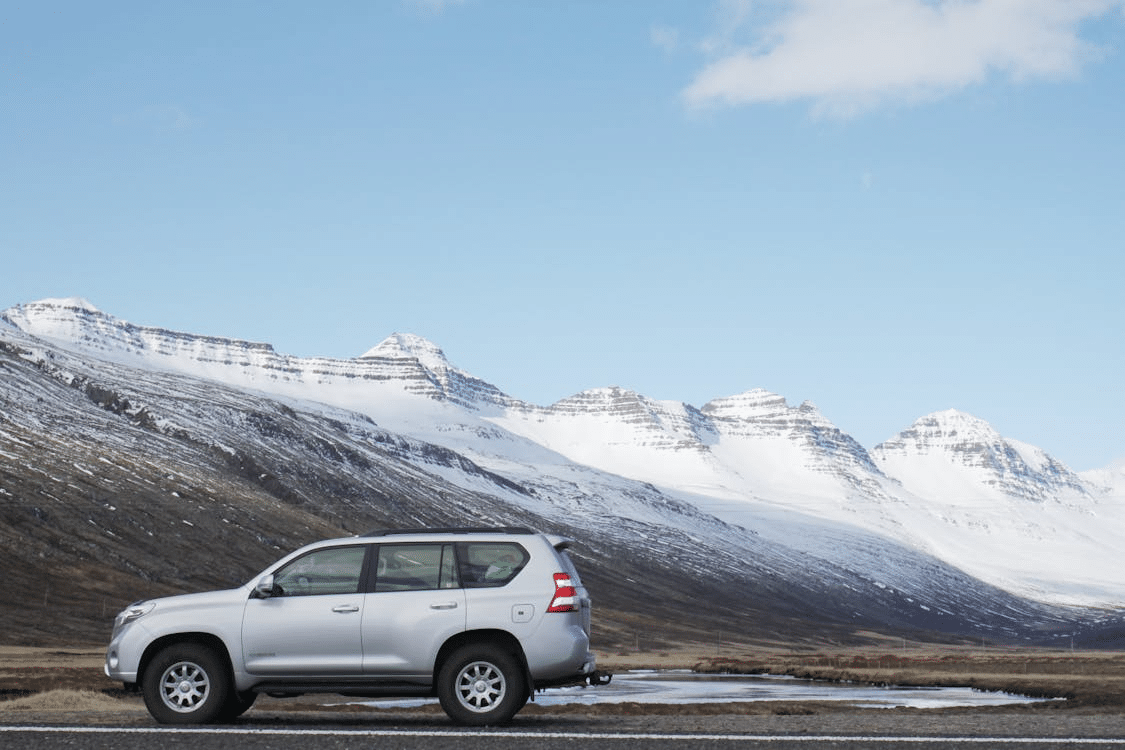
Photo by sl wong
The first thing many drivers notice in Iceland is how quickly conditions switch without warning. One valley shows clear skies, yet the next ridge hides wind, sleet, and slick gravel. Those swings reward calm planning, shorter daily distances, and a steady approach to pacing.
Pickup owners and SUV renters value control, ground clearance, and storage on long routes. Those same traits matter when a side road turns to washboard without a sign. Many travelers book with Blue Car Rental early to match vehicle type, pickup location, and useful add ons. A simple pickup at Keflavík or the city center keeps the schedule tidy from the start.
Plan Around Weather, Daylight, and Road Conditions
Iceland’s weather can change three times before lunch during any month of the year. Check a reliable forecast the night before, then again at breakfast for timing shifts. Short winter days compress the driving window, which makes conservative itineraries your friend. Long summer light helps, yet wind and rain can still slow progress without much notice.
Use official sources to understand fronts, winds, and snow passing through your route. The Icelandic Meteorological Office publishes updated forecasts, warnings, and radar that travelers can trust. Learn the icons, refresh often, and plan buffers to absorb likely slowdowns safely. Start those checks before leaving a hotel or a rural cabin.
Choose the Right Vehicle for Terrain and Range
Your vehicle should match road class, season, and luggage weight without pushing limits. Compact crossovers handle paved stretches, yet deeper gravel benefits from taller sidewalls. All weather tires at correct pressures reduce harsh impacts and improve steering feel. Extra clearance can save a sump, a bumper, and maybe an expensive towing call.
If interior routes are on the list, confirm rules and the calendar before you go. Many highland routes require four wheel drive and more clearance than city models. Ask about tires, spare, jack, and recovery points during pickup and inspection. Register a second driver and verify license rules for peace of mind.
Simple pickup and drop options help after a red eye arrival or late return. Online check in reduces desk time, especially when children need quick exits. Ask how keybox handoff works for late flights or early starts from town. Less waiting at a counter means more time on the road, not indoors.
Map Fuel, Charging, and Food Stops Before You Depart
Rural segments can stretch between services, especially after dark or in shoulder months. Keep a habit of refueling near half a tank when the map looks empty. The same rule helps plug in drivers who rely on certain chargers. Confirm hours and payment methods so a closed station does not derail plans.
Build a short list for each day, and save it offline in plain text. Note fuel or charging stops with hours, access notes, and card requirements. Mark food options that stay open beyond mid afternoon near your route. Add public toilets, viewpoints, and short walks for leg breaks without crowds.
Confirm payment cards and backup PINs before you roll out of Reykjavik. Many stations require chip and PIN or prepaid cards to activate pumps reliably. Screens can time out quickly, so move through prompts without long pauses. A backup swipe card can save time when the first card declines unexpectedly.
Pack Smart for Safety and Comfort
A warm vehicle still benefits from a compact safety kit in the cargo area. Pack a hi viz vest, headlamp, and lightweight traction aids that store flat. A foldable shovel and gloves handle slush and soft verges without trouble. Microfiber towels keep glass clear when doors bring spray and grit inside.
Comfort adds calm during long stretches with crosswinds or sudden showers. Use sealed mugs for hot drinks and quick snacks for late stops. Store a power bank to keep phones alive for maps, calls, and photos. Soft sided bags reduce rattles, shifting, and cramped stacking behind the rear seats.
Use a simple checklist to load the cargo area before the first kilometers. Safety kit, first aid, and reflective triangle should sit near the hatch. Extra water, snacks, and warm outer layers go in a reachable tote. Add an ice scraper, squeegee, and tire gauge within easy arm’s reach.
Respect Gravel, F Roads, and River Crossings
Gravel behaves like tiny rollers under throttle, which stretches stopping distances. Slow before corners, and brake while the tires still track straight. Leave more space than you think behind campervans that can shed stones. Window chips happen fast when spacing shrinks at passing speed on tight lanes.
F roads open late and close early based on thaw cycles, rain, and repairs. Many routes forbid lower clearance rental cars even if they have four wheel drive. River crossings change depth within hours after storms or warm days in spring. Turn around if water rises, flows fast, or hides rocks and holes.
Check official road condition pages for closures, cautions, and seasonal openings. The Icelandic Road and Coastal Administration posts live maps and warnings for travelers. Refresh during fuel stops, then adjust distances and plans before committing further. A quick change midday can save hours of backtracking later.
Use Local Driving Etiquette and Parking Sense
Two lane highways often have narrow bridges without a middle separation line. Slow to a crawl and yield to oncoming traffic when signs make that clear. A brief flash can signal thanks after a pass on a single lane. Keep speed steady, not spiky, so cars can overtake without drama.
Parking near waterfalls and hot springs gets tight by late morning most seasons. Follow lot markings, not soft shoulders that crumble under pickup weight. Choose gravel that looks compact and level to protect tires and doors. Avoid blocking tour buses that require wide turning arcs to exit safely.
Sheep wander freely across lanes without care for your schedule or plans. Slow early, and avoid horn blasts that can startle animals into running. Let the herd pass instead of threading gaps at speed near ditches. You will lose less time and drive with far lower stress overall.
Build Flex Days for Photos, Hot Springs, and Tides
Iceland rewards patience with clear waterfalls, fresh snow dust, and bright short rainbows. Those moments appear after clouds break, not on strict timetables set at breakfast. Add slack days to handle weather, small repairs, or a favorite spot. A slower plan gives drivers time to enjoy their truck or SUV without rush.
Photo stops grow longer as light improves near sunrise and sunset on open ground. Park fully off the lane, with hazards only when stopped near moving traffic. Keep tripod feet behind posts or stones outside the shoulder for safety. A safe car position beats a closer angle every single time.
Hot springs and coastal sites depend on crowds, tides, and road access windows. Late afternoons often feel calmer after midday tours depart for dinner. Tide charts shape beach access and change walk times across wet sand. Build timing windows with one eye on daylight and one on the odometer.
From Pickup To Drop Off, Keep The Plan Simple
Good trips start with the right vehicle, realistic daily distances, and saved service stops. Keep fuel, food, and weather checks on a routine, much like seat belts. Leave space on gravel, respect F road rules, and skip risky crossings. Small habits turn a long loop into a steady, memorable drive across the island.