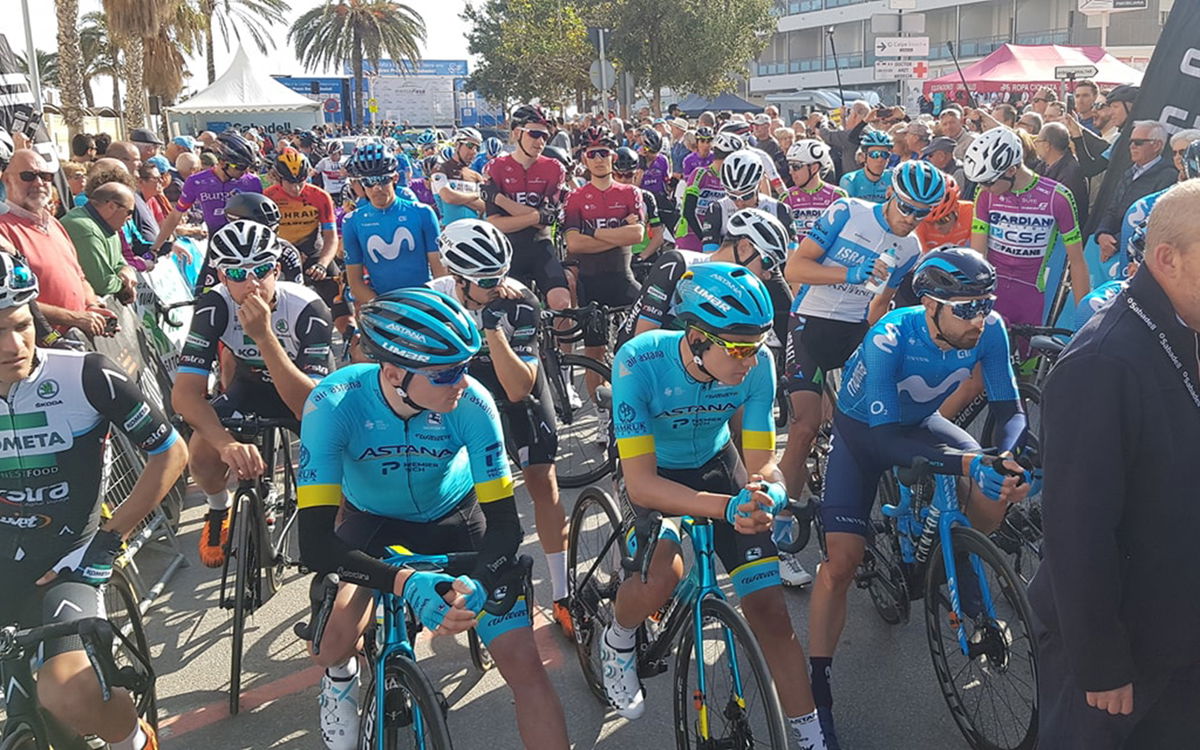
The numbers behind the cycling sponsorship everyone should know. Credit: Calpe Town Hall
Calpe’s tourism model has undergone a transformation, moving away from short-term strategies towards long-term brand building, according to Marco Bittner, the town’s Councillor for Tourism Promotion.
“For years, Calpe—like many Mediterranean destinations—relied on a transactional approach: spending public funds on all-inclusive tourist packages to fill specific hotels during peak seasons. While it provided quick returns and easily measurable metrics, it had serious limitations. It didn’t build a brand, create emotional connections with visitors, offer real added value, or address seasonality. Tourists came for price, not preference, and rarely returned out of loyalty,� Bittner explained.
From transactional tourism to strategic partnerships
Now, the focus is on partnerships that generate long-term engagement, particularly with professional cycling. Calpe has been linked with Quick-Step Soudal, one of the world’s most successful cycling teams, known as “The Wolfpack,� which boasts more than 1,000 victories in its history.
Most Read on Euro Weekly News
Cycling reaches audiences of over 150 million spectators across Europe, with 25% of sports fans in countries like France, Belgium, the Netherlands, Germany, and Italy tuning in. In 2025, Quick-Step Soudal’s men’s team recorded 54 victories, including four Tour de France stages and a World Championship time trial, while the women’s team AG Insurance – Soudal achieved 12 wins, including a Liège-Bastogne-Liège triumph and two Giro d’Italia stages.
Global visibility in key markets
The media reach is significant: the men’s Tour de France attracts 150 million viewers, while the Tour de France Femmes logs 80 million hours of viewership across 190 countries. Combined with over 200 million hours watched during the UCI World Championships, the sport offers substantial exposure in Calpe’s target markets: France, Italy, Spain, Belgium, and the Netherlands.
Bittner emphasised that the partnership is about building identity, not buying visitors. “Every appearance of the team’s jersey on TV, in social media posts, or specialist press articles reinforces Calpe’s positioning as a destination for sport, health, nature, and quality tourism,� he said.
Emotional connections drive repeat visits
Cycling enthusiasts visiting Calpe often do so for emotional reasons—training where Quick-Step trains—resulting in repeat visits, recommendations, and organic content creation. These visitors typically spend more, stay longer, and distribute their spending across the municipality rather than concentrating on a single hotel. Supporting this trend, 20 new cycling- and health-focused establishments have opened in Calpe in recent years.
“Calpe is evolving from a ‘sun-and-beach package holiday’ destination into a training base for one of the world’s top cycling teams,� Bittner noted. This approach also attracts sustainable tourism, specialised hotel investment, and high-quality sporting events, all generating positive international media coverage.
A long-standing partnership built on loyalty
The relationship with Quick-Step Soudal also carries historical significance. “Back in 2006, when no one was talking about Calpe as a cycling destination, Quick-Step chose us—not because of payment, but because we were the right place. Formalising this sponsorship two decades later recognises loyalty and builds a shared future,� Bittner said.
Through this partnership, Calpe gains visibility alongside global brands like Coca-Cola, Samsonite, Canon, Garmin, and Shimano, amplifying the municipality’s return across tourism, reputation, and strategic positioning in Mediterranean cycle tourism.
Building identity, not just visitors
“This is the difference between buying tourists and building a destination’s identity. It’s about projecting a sustainable future, investing in our own brand, and moving beyond intermediaries,� Bittner concluded.