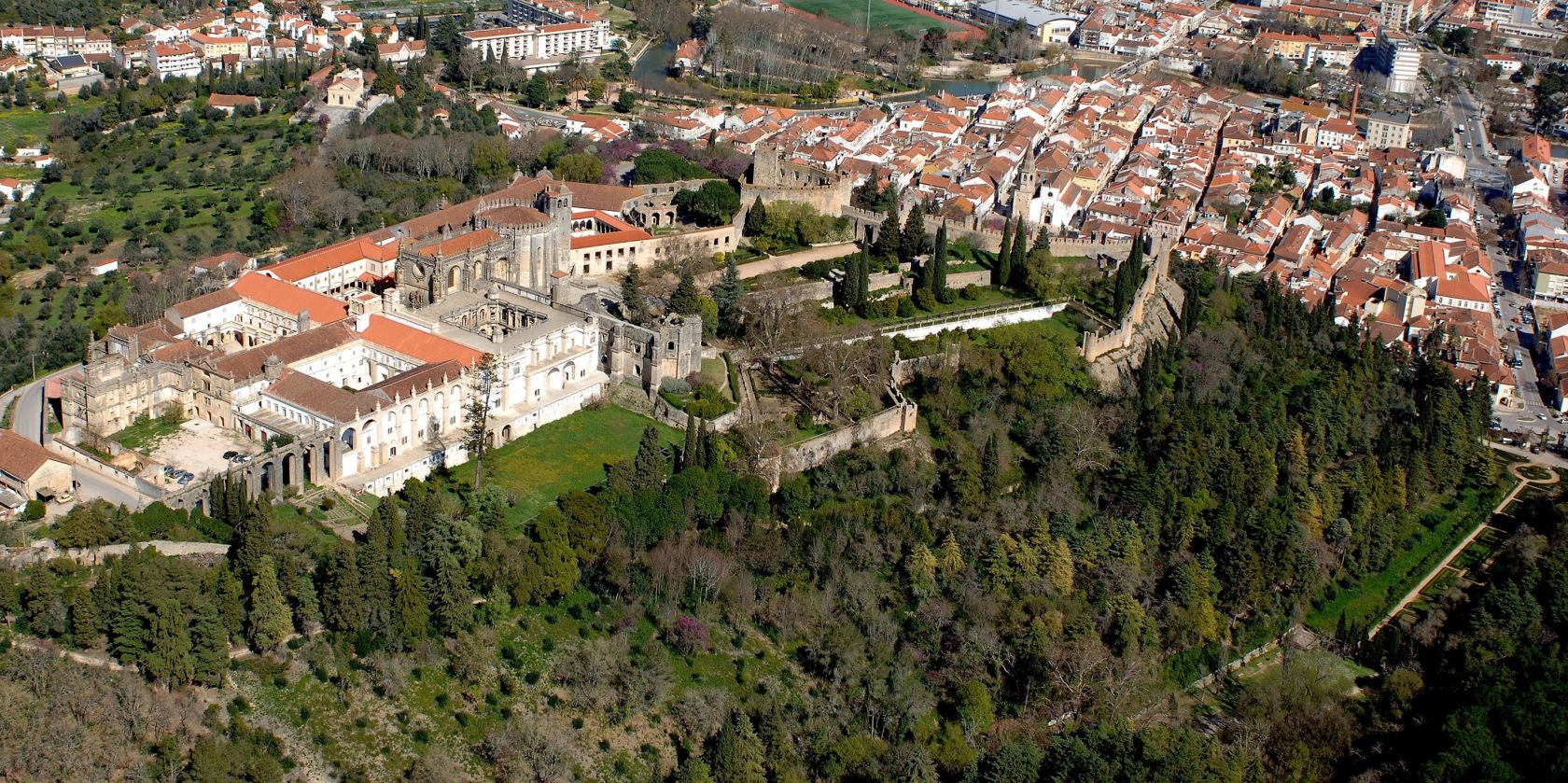
According to a statement from the management of the Convent located in Tomar, in the district of Santarém, the areas with restricted access include the South Terrace (with access to the Friars’ Garden), the south and east wings of the ground floor and first floor of the Main Cloister, the “Wax Terrace” of the Main Cloister, and the ground floor of the Saint Barbara Cloister.
These restrictions are in addition to previously announced limitations, which include the closure of the Templar Castle, its perimeter, garden, access to the walls, and passage to the Mata dos Sete Montes forest from November 3rd, for an estimated period of at least four months, as part of the rehabilitation of the Paço Henriquino, Alcáçova, and the requalification of the garden, integrated into the Recovery and Resilience Plan (PRR).
Despite the restrictions, the Convent of Christ remains accessible to the public via its north façade.
The ongoing investment in the monument involves two main contracts, financed by the PRR, representing a total investment of €6.74 million.
The director of the Convent stated that the intervention financed by the PRR will allow the opening to the public of areas of the castle that were previously inaccessible, creating new forms of visitation and reinforcing the understanding of the Templar legacy.
According to Andreia Galvão, the monument should be understood as an inseparable part of the Templar Castle founded in 1160, a core that continues to be the main attraction for thousands of visitors.
The increase in demand is visible: from 312,000 visitors in 2023 to more than 349,000 in 2024, reinforcing the growing interest in the UNESCO-listed site.
An official source from the management of the Convent of Christ told Lusa that the progress of the works conditions the lifting of restrictions, with no change foreseen in the short term, and the interventions are being carried out in phases to minimize inconvenience to visitors.