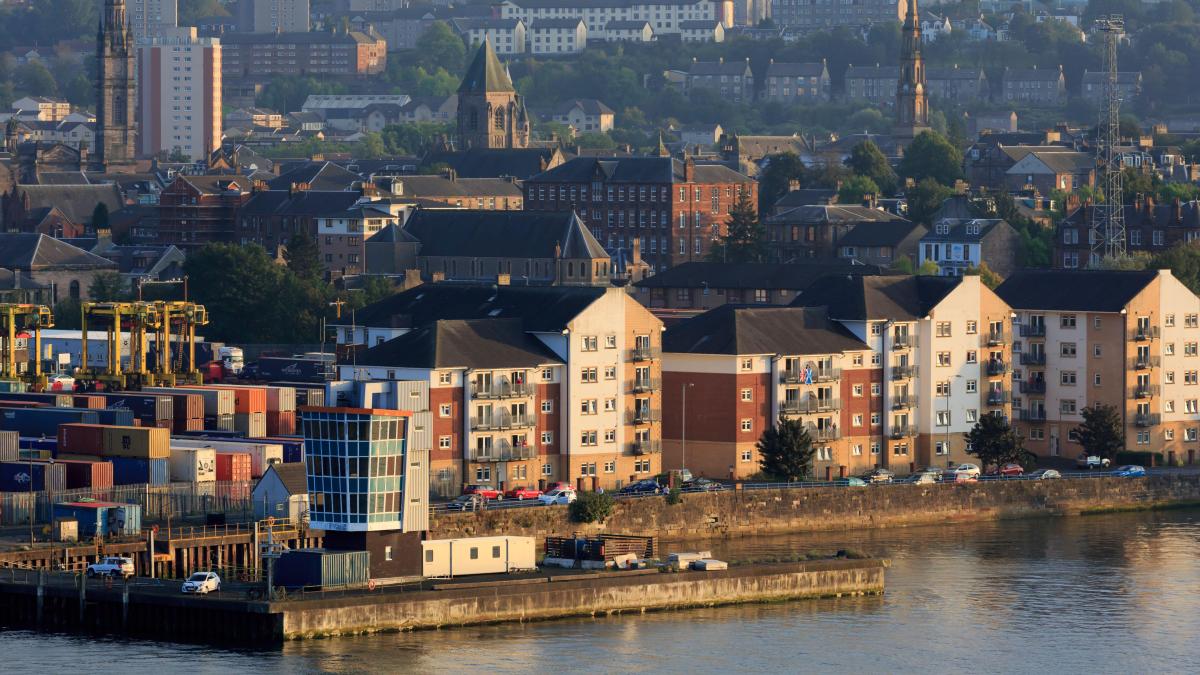
The population of one of the most deprived areas of Scotland has risen for the first time in almost half a century after its council actively sought to house refugees and asylum seekers.
Inverclyde, once synonymous with ship building and industry, has been in decline for decades, with more people leaving rather than settling.
However, it has been confirmed that the population of the west coast council area rose to 78,880 last year, a modest increase from 78,780 in 2023.
• Inverclyde has highest number of alcohol-related deaths in Britain
Inverclyde’s Labour-led administration insists it shows that its repopulation strategy is working. A key part of that is offering empty housing to individuals from overseas seeking refuge.
The authority said recent history showed that doing nothing was not an option.
“Inverclyde has experienced one of the most sustained patterns of depopulation in urban Scotland,” a strategy document states. “Since 1981 the area has lost approximately 22,000 residents.
“Between 1998 and 2012 Inverclyde’s population declined by 8.9 per cent, making it the local authority with the highest negative change in Scotland, compared with national population growth of 8.2 per cent. Between 2011 and 2021 saw a further 5.6 per cent decrease.”
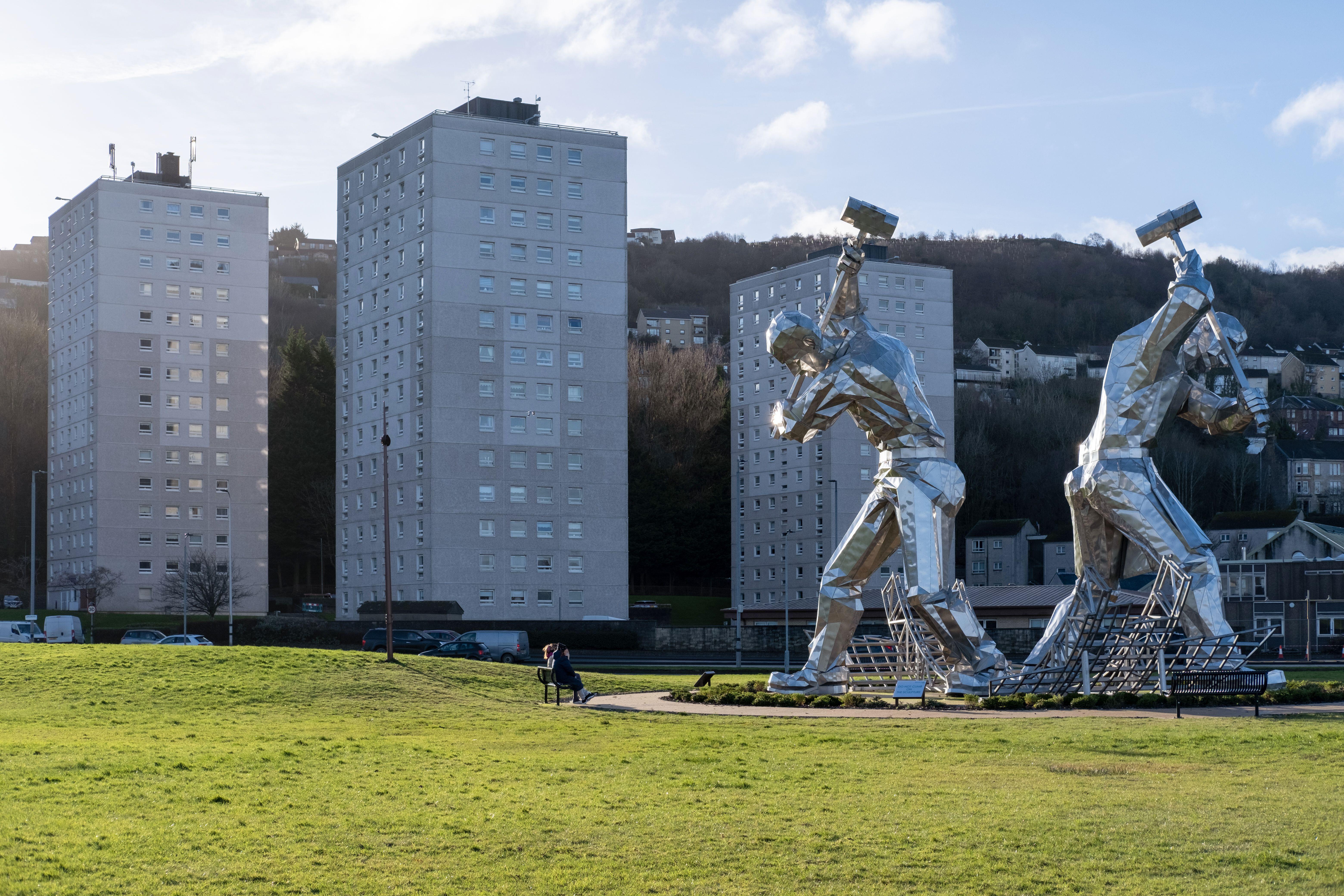
The newcomers were “keen to embrace our culture”, according to Drew McKenzie, Inverclyde’s provost
ALAMY
In an attempt to reverse the long-term trend, the authority has taken in hundreds of displaced individuals from Ukraine, Syria and elsewhere.
As a result it has seen the largest rise of any Scottish council in students who speak English as an additional language (EAL), with the number more than trebling between 2019 and 2024.
Inverclyde has also seen a near-1,000 per cent increase in English for speakers of other languages provision in the past five years.
In 2019-20 it was supporting 68 learners, with the figure rising to more than 230 by 2023-24.
Drew McKenzie, Inverclyde’s provost, who acts as the civic leader, insisted that the strategy was working well.
“Depopulation is, by far, our biggest challenge,” the independent councillor said. “We need people to come and live here.”
He added: “I am very proud of our record. The people here, on the whole, have been very welcoming.
“I see, first hand, the difference it makes. I’ve met people who have come here under resettlement schemes.”
McKenzie insisted the newcomers were enhancing the area and putting down roots.
“They are doctors, business owners and other community-minded people,” he told the Greenock Telegraph. “They can make a difference in Inverclyde.
“They are keen to integrate, be part of our community and are very keen to embrace our culture.”
His stance was backed up by a council spokesman, who said: “While there are people relocating to Inverclyde from other parts of the UK, most are international arrivals.
“What we are seeing is that people are not only relocating here but staying here and making a positive contribution.
“Without intervention longer-term forecasts suggest an additional 13 per cent decline by 2040.
“We will continue to support and welcome resettlement to fulfil our statutory obligations and support our wider repopulation strategy.”
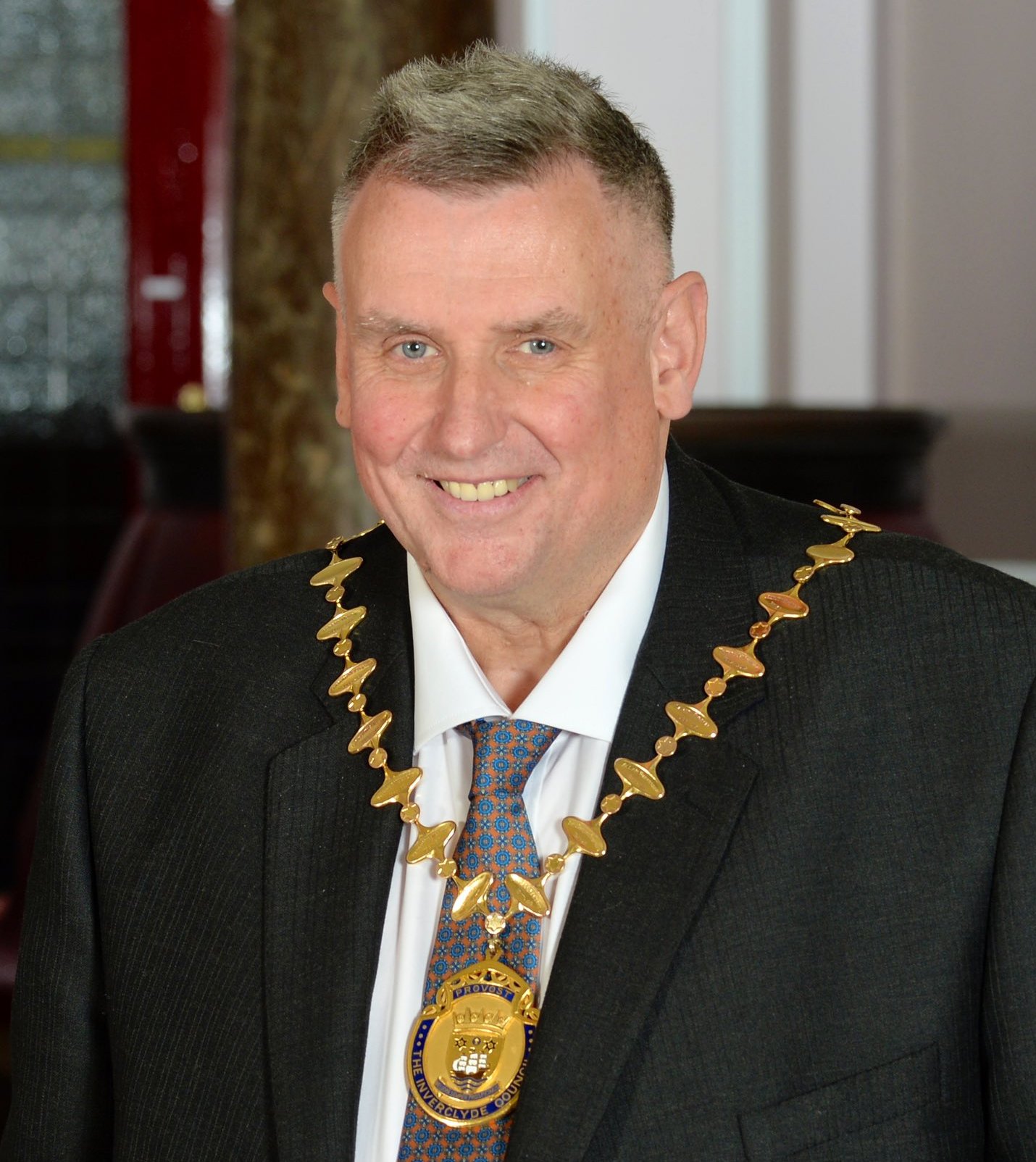
Drew McKenzie said Inverclyde was “proud to have a diverse community”
INVERCLYDE COUNCIL
The authority said that providing English lessons to the newcomers was a key part of helping them to integrate and contribute.
“Inverclyde is a welcoming place for everyone and we are proud to have a diverse community,” a spokesman said.
“The fact that we have so many EAL students shows that our new-to-Scotland families are keen to learn English and be part of the community.”
The council provides specialist teachers to help some of these pupils while others receive direct support from their classroom teacher.