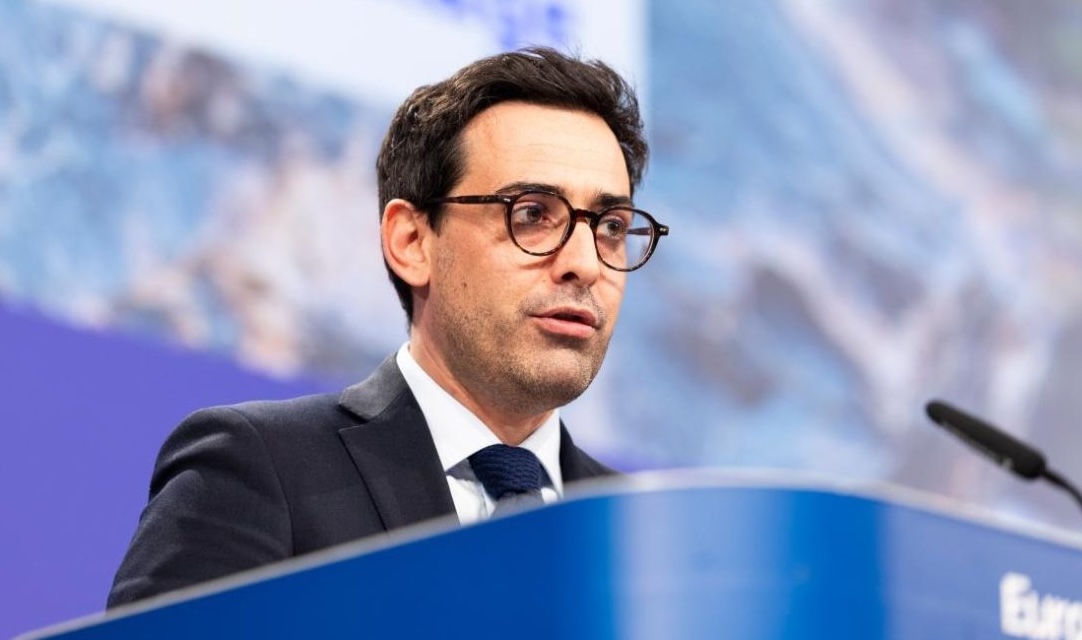
The EU could legally require companies to buy materials outside of China, should insufficient efforts at diversification be made, said industry and trade commissioners Stéphane Séjourné and Maroš Šefčovič when announcing a new resource action plan.
The two floated the idea while unveiling the Commission’s Economic Security Package on Wednesday. The announcement was mostly a reformulation of existing EU trade actions, restructured to inspire urgency in the EU amid recent Chinese export controls.
EU should fire trade bazooka if China de-risking fails, says industry chief
The EU should activate a never-before-used trade tool to counter Chinese restrictions on exports of…
3 minutes
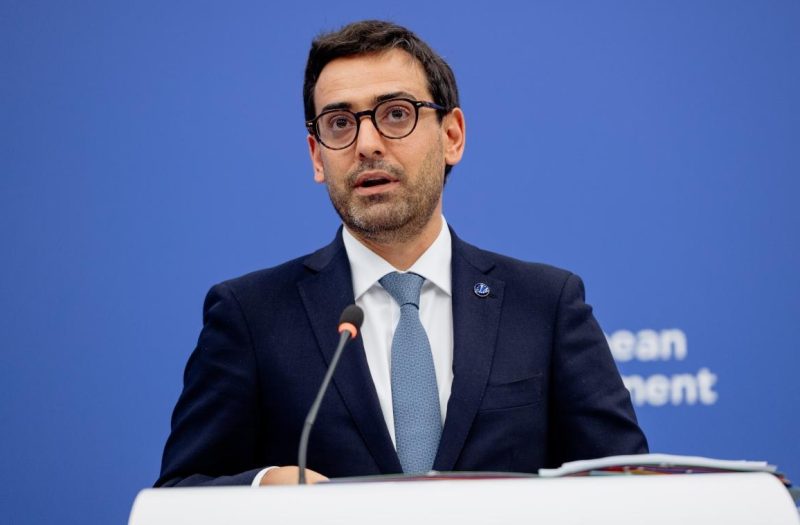
In a run-through of the measures already in effect to strengthen European supply chains, Séjourné explained that companies are already legally obliged to take measures to diversify their critical material supply chains.
With the new Resource EU action plan, the Commission has proposed to amend the Critical Raw Materials Act to force companies to inform their boards of measures they will take to diversify supply chains, and give the EU executive the means to verify if they’re effective.
Should those efforts fall short, Séjourné said the Commission will consider making such diversification “mandatory” via a future delegated act if needed.
However, the Commission isn’t currently interested in this, but does not rule out proposing it in the next couple of years if those companies “most exposed to threats” haven’t sufficiently diversified.
EU rehashes economic doctrine and resources plans to counter China threat
The European Commission published its Economic Security Package on Wednesday, largely a reframing of existing…
4 minutes
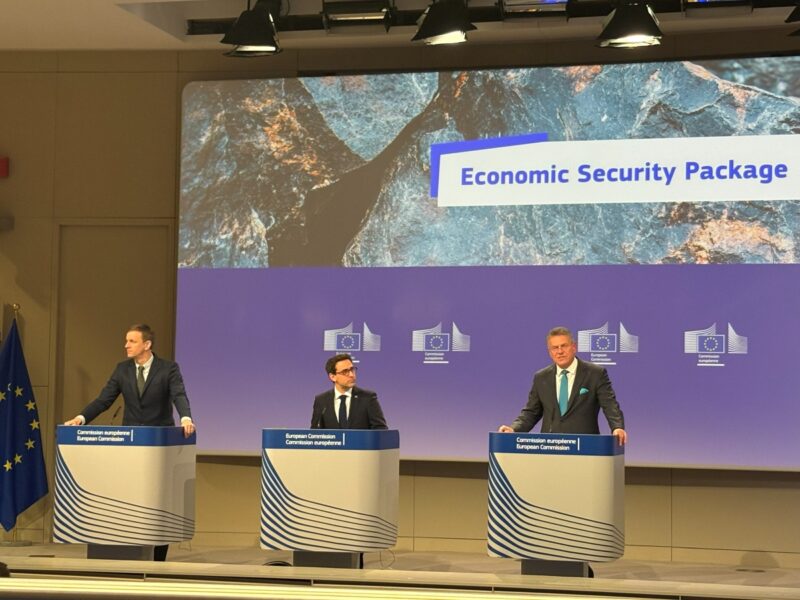
“I think every responsible CEO in Europe should really think about economic security, security of supply, diversification, because it’s a good business case for the company,” Šefčovič said, in support of Séjourné’s remarks.
This approach is yet another example of the Commission following Japan’s lead on economic security policy.
Tokyo’s Ministry of Economy, Trade, & Industry (METI) offers subsidies and tax breaks to encourage firms to diversify their sourcing. The money spigot is open even to foreign companies, provided they strengthen Japan’s industrial base.
Likewise, Séjourné’s announcement of a European Centre for Critical Raw Materials has taken inspiration from JOGMEC. The centre is expected to help both with stockpiling and with opening up new sources of critical raw materials.
“Japan has been in the lead on this issue and remains an inspiration, as they have experience both geographically, with partners who have leveraged dependencies, and also with the legal and operational tools they have put in place,” Séjourné said.
(cp)