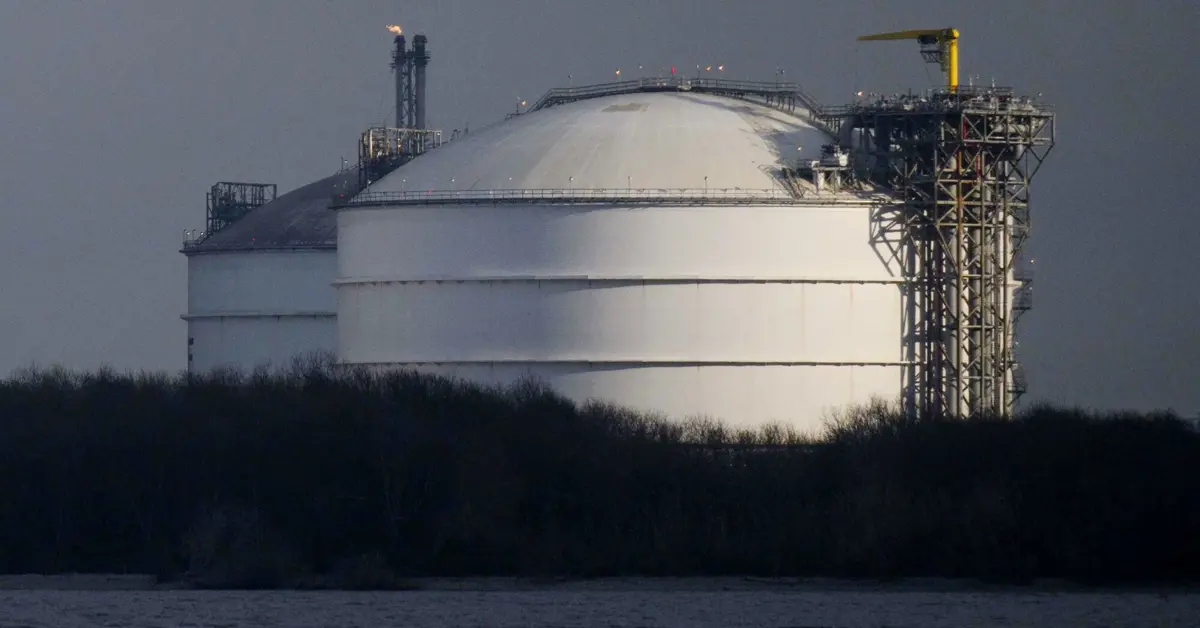
(Bloomberg) — Turkey is exploring investments in US oil and gas fields as it accelerates a sweeping overhaul of its energy portfolio that’s so far been built around American LNG.
Turkish Petroleum Corp. is in talks with Chevron Corp., Exxon Mobil Corp. and other US majors to take positions in upstream assets, as part of Turkey’s plan to expand from its growing exposure to liquefied natural gas, the country’s Energy Minister Alparslan Bayraktar said Wednesday on the sidelines of the World LNG summit in Istanbul. Announcements might come as early as next month, he said.
The plan adds a new layer to Turkey’s expanding relationship with the US, which has become a major source of long-term gas supply to Ankara. While Turkey is looking to secure access to fuels that are key to power the energy-hungry $1.4 trillion economy and diversify sources away from Russia and Azerbaijan, it’s also a way for President Recep Tayyip Erdogan to boost influence and build economic relationships.
The country has done LNG deals with companies including Mercuria Energy Group and Woodside Energy Group Ltd. for LNG supply, mainly from plants in the US. This week, it agreed 10-year contracts with Eni SpA and Germany’s SEFE.
Turkey has signed 150 billion cubic meters of long-term LNG agreements since late 2024, with much of the supply starting between 2027 and 2030. Bayraktar said US LNG has become “more competitive” than pipeline gas from Russia and Iran.
Turkey has imported 5.2 million tons of LNG so far this year, according to data compiled by BloombergNEF. That compares with 3.98 million tons for all of 2024. Additional supply also gives Turkish companies the option to boost gas trading to maximize profits.
Bayraktar said the country expects to take about 1,500 LNG cargoes over the next 10–15 years, with most indexed to Henry Hub gas pricing in the US.
To accommodate rising imports, Turkey plans to add two new floating storage and regasification units, expanding its fleet to five. Ankara plans to send one of these units to Egypt for the summer months to help cover Cairo’s seasonal gas shortages and is in talks with other countries, including Morocco, for similar arrangements.
Bayraktar also said Turkey could double annual gas transfer capacity to Bulgaria to as much as 7–10 billion cubic meters, pending minor upgrades on the Bulgarian side. That could unlock additional volumes for Southeast Europe and potentially for Ukraine.
©2025 Bloomberg L.P.