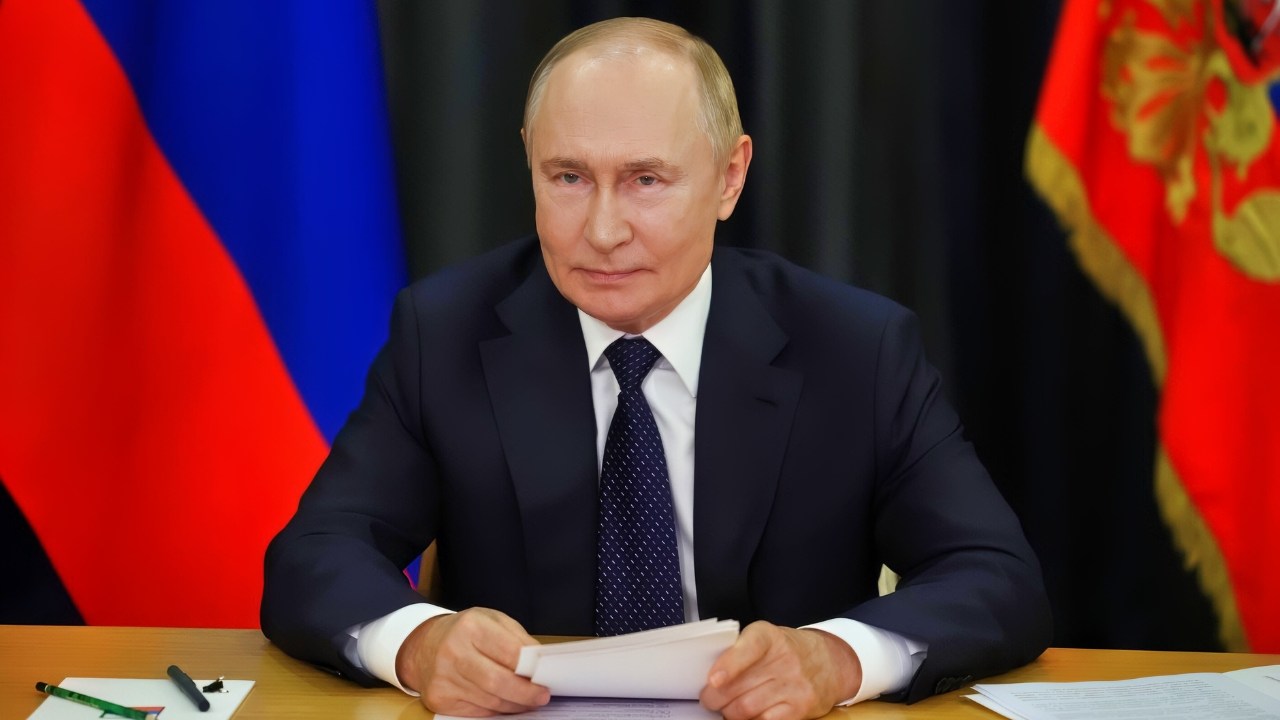
Key Points and Summary – Vladimir Putin’s threat that Russia is “ready” for a swift, “surgical” war with Europe is less a battle plan than a negotiating tactic.
-Speaking at the Russia Calling! forum, he warned European governments not to interfere as Washington and Moscow grope toward a Ukraine peace deal that many in Europe already fear will be an “ugly” concession to the Kremlin.
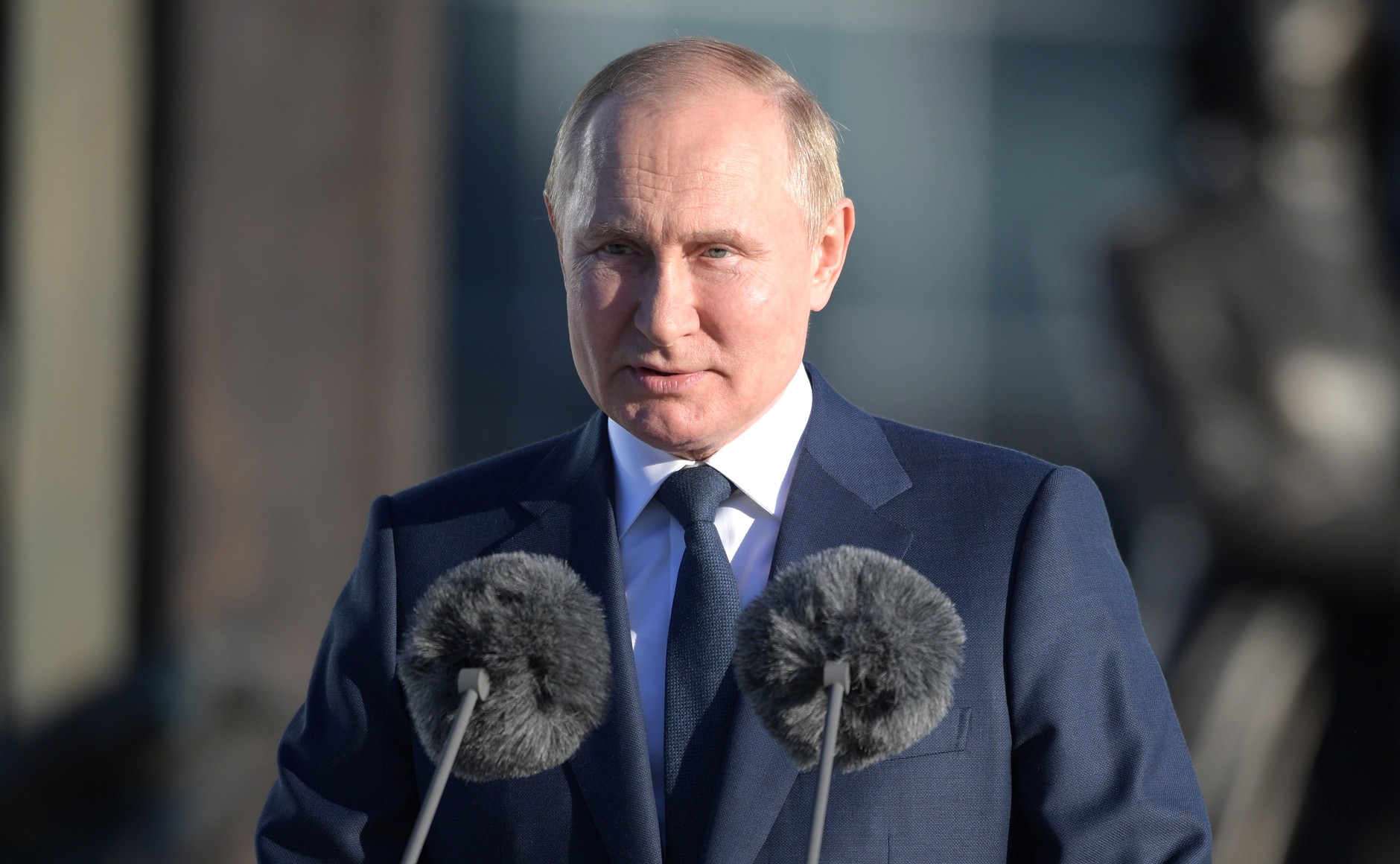
Putin in 2022. Image Credit: Creative Commons.
-Putin cast Europe as “on the side of war” and claimed it had sidelined itself diplomatically, while escalating his rhetoric over the Black Sea.
-The real test now is whether Europe can live with any bargain Trump and Putin strike.
Why Putin Just Threatened “Surgical” War With Europe
On the verge of a breakthrough deal over Ukraine, Russian President Vladimir Putin has issued one of his starkest warnings yet to European governments.
Speaking to reporters in Moscow on Tuesday, the Russian president said that any direct conflict between Europe and Russia would end with the “swift” defeat of Europe – and leave nobody left for Moscow to negotiate with.
The comments, delivered at the VTB “Russia Calling!” investment forum and repeated across multiple media outlets, come as Russia’s war in Ukraine approaches its fourth year and as U.S.-led efforts face mounting diplomatic resistance from European leaders.
Putin used the opportunity to warn European governments, who are reportedly scared of an “ugly deal” being facilitated by the United States, against intervention.
Putin also framed any possible future action against Europe as more of a surgical operation than a full-scale war, stating that his response would not resemble any other confrontation with European militaries.
Putin also warned that, should Europe start a “war” against Russia, Moscow is ready to take action.
Putin’s comments came in response to a question by a reporter who referenced words from Hungarian Foreign Minister Peter Szjijarto, who cautioned that Europe was already preparing for war against Russia. Szijarto’s comments, however, appear to have been a reflection of rising defense spending in Europe – a result not only of the war in Ukraine but of a push by U.S. President Donald Trump to collectively raise defense spending to 5% GDP.
The remarks come as tensions over competing peace plans rise. According to a leaked set of 28 U.S. draft proposals that were reported last week, Ukrainian and European government officials were concerned that the terms appeared to concede to Moscow’s core demands on Ukrainian force levels, NATO, and Russian control of roughly one-fifth of Ukrainian territory.
In the wake of the release, European governments drafted their own counterproposals.
Still, Putin accused them of deliberately tabling terms that were unacceptable to Russia as part of an effort to sabotage U.S. President Donald Trump’s peace push.
Putin also accused Europe of having locked itself out of negotiations by cutting off contact with Moscow, claiming the continent was now “on the side of war.”
The Russian leader also escalated threats in the Black Sea following a string of Ukrainian naval drone assaults on tankers linked to Russia’s shadow fleet.
Putin vowed to sever Ukraine’s access to the sea entirely if necessary, describing recent attacks as “piracy.”
Putin’s comments may have been the result of crossed wires: European leaders describing preparations for war rather than a declaration of war.
That being said, a lasting settlement now hinges on whether Washington and Moscow can agree on terms – and if Europe can accept them.
About the Author:
Jack Buckby is a British author, counter-extremism researcher, and journalist based in New York who writes frequently for National Security Journal. Reporting on the U.K., Europe, and the U.S., he analyzes and understands left-wing and right-wing radicalization and reports on Western governments’ approaches to the pressing issues of today. His books and research papers explore these themes and propose pragmatic solutions to our increasingly polarized society. His latest book is The Truth Teller: RFK Jr. and the Case for a Post-Partisan Presidency.