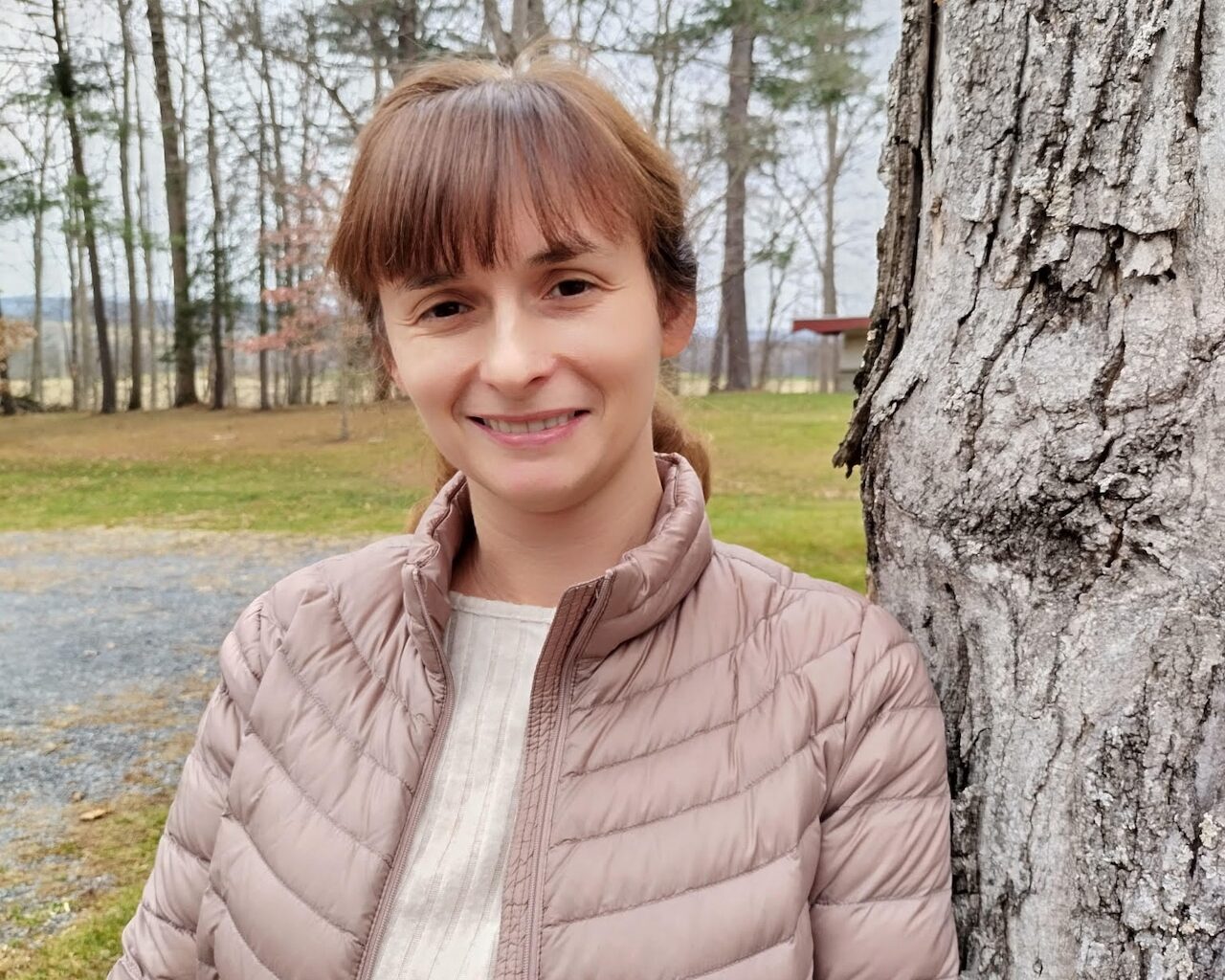
Lyudmila “Luda” Panfilova still remembers the sound that changed everything — the first explosions rolling across Odessa, Ukraine, as Russia launched its full-scale invasion in February 2022. Until that moment, she and her family had lived what she describes as a “full and interesting life” in the historic port city they called home.
Odessa was her world — a place of old architecture and Black Sea breezes, a vibrant Baptist church community, music lessons for her children, and a wide circle of friends. Her husband, an ordained deacon, taught at a church branch and worked as a master electrician. Before becoming a homemaker, Panfilova taught at a Christian school and later served in church leadership as a Sunday school assistant principal and organizer of Christmas plays. Their days were busy, structured and joyful.
“All of that changed the day we learned the war had started. At first it sounded like a joke, since Russia is a neighboring country and we were friendly nations.”
But within hours, Odessa shifted from peaceful city to frontline uncertainty. Her husband came home instead of going to work. The children stayed home from school. Families from their church began leaving Ukraine that same morning, unsure if they would ever return.
Panfilova prayed for clarity. She opened her Bible and read a verse she felt was an answer: “Behold, I send My angel before you to guard you on the way and to bring you to the place I have prepared for you.” Still, leaving seemed impossible, even as the situation around them grew more dangerous by the hour.
The next morning brought a new verse and new urgency. “We heard explosions. Soldiers had erected barricades and a border post near our house. Tanks were driving down our road.” Long lines formed at ATMs, gas stations and grocery stores. A heavy silence settled over the city.
Odessans followed the horrors of Bucha as they unfolded. The brutality stunned them — and revealed deep divisions within families who had relatives in Russia or Belarus. “Russian propaganda worked very well. They believed what they saw on TV more than their own relatives, who were actually experiencing the horrors of war.”
Life grew smaller and more fearful. When rockets sounded, the family ran to the basement — a cramped, 2-by-2 meter food cellar that offered little real protection. Many neighbors living in high-rise buildings put their children to sleep in bathrooms or hallways at night.
That first Sunday of the war, their church was half empty. “We understood we might be seeing someone for the last time.”
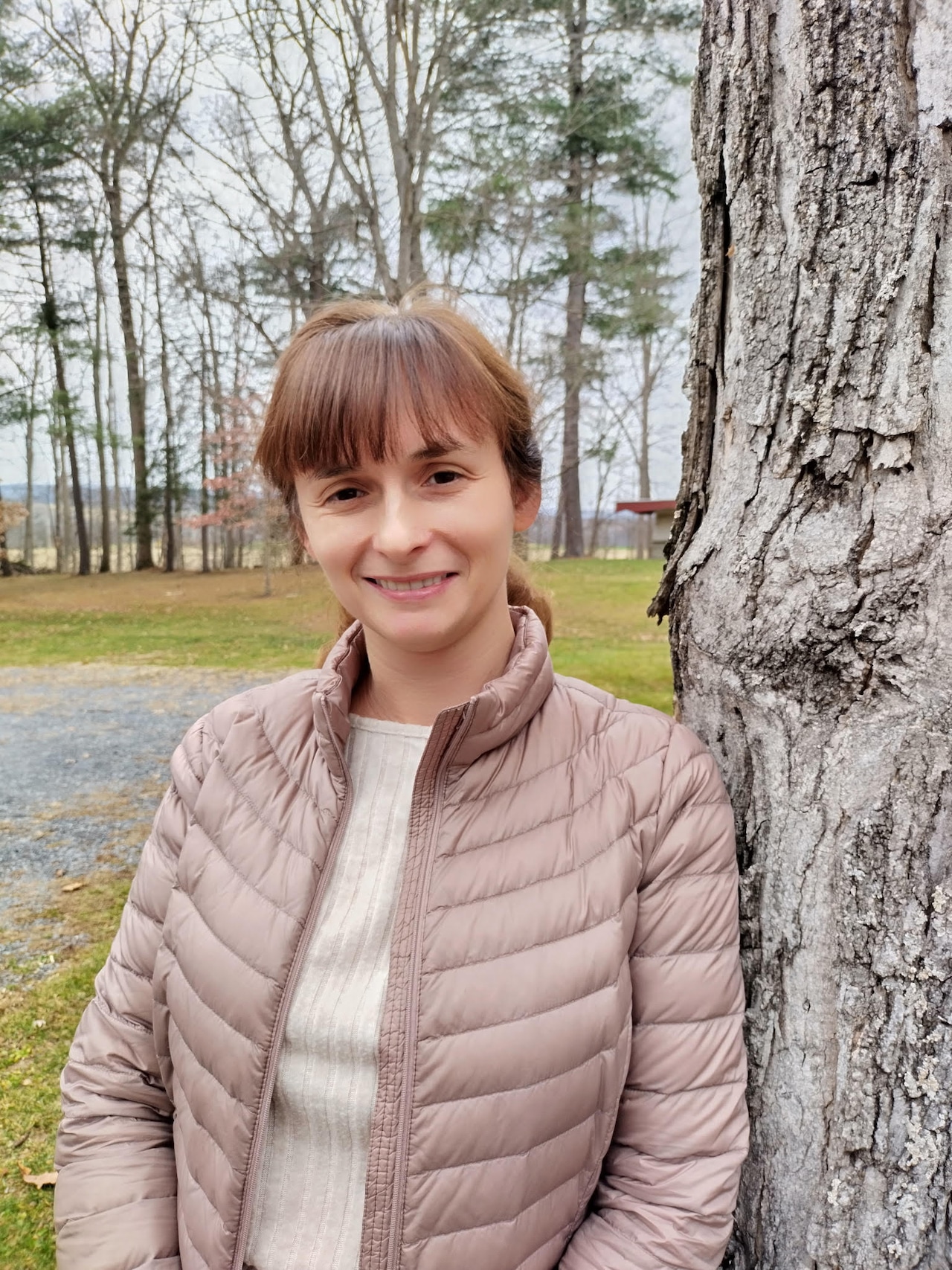 HOME AWAY FROM HOME — Lyudmila “Luda” Panfilova, a Ukrainian refugee from Odessa, now lives in Perry County after fleeing the war with her family in 2022. (Kristie Smith photo)Perry County Times
The following Monday, Panfilova tried to cook borscht for lunch but felt in her heart she shouldn’t be standing at the stove at all. She prayed again, opened her Bible again, and read a verse she believed was unmistakable: “They set out from their homes, each from his own place.” Soon after, her husband came through the door and said they had one hour to pack.
“One hour to pack! We took only the bare essentials. We left the borscht on the stove. We left behind family photos, our history, our past life, which will never be repeated.”
Their journey began with a nine-hour wait at the Moldovan border, a surreal mix of fear, exhaustion and moments of strange cheerfulness as the children played with friends. Once across, the reality of their displacement settled in. “Only the headlights illuminated a small part of the road. I thought this was our future. There is darkness ahead, but remembering the Lord’s promise made it easier.”
They spent a week at a Christian camp in Moldova, then traveled through Europe to Germany. They expected to stay there, but friends in America had other plans. “They said, ‘We’re buying you tickets, and you’re flying out tomorrow.’ It was a shock to us.”
Another whirlwind — it was seven flights, a week of travel, and a passage through Mexico where volunteers had organized a camp to help Ukrainians reach the U.S. border.
“Everything was very well organized. At the border, we went through inspection, got our passports stamped, and were told, ‘Welcome to America.’ Those words were a great relief and joy to us.”
From there, the family traveled to Pennsylvania, where friends helped them settle. They stayed in Harrisburg before eventually finding their way to Perry County.
“I was very worried,” she said. “But all my fears were in vain.” More families from their former church arrived in the area, and they built new friendships with both Ukrainians and local residents. “We felt their help and care for us, especially when we needed it so much.”
Her husband quickly grew fond of the region. “He absolutely loves this area. It reminds him of his childhood. There is a wonderful and soothing nature here, kind people, and a generally wonderful atmosphere.”
The support they received — from individuals, churches and organizations such as Join Hands Ministry — made it possible to begin again. “We arrived with just our suitcases, but thanks to certain individuals and organizations, we have everything we need to live.”
Still, uncertainty remains part of their daily life. “Unfortunately, it is difficult for us to make plans. We would like the U.S. government to give us the opportunity to become citizens so that we can fully contribute to American society.”
Even in safety, their thoughts remain with those still enduring the war. “Every day, Russia is destroying our people. Thousands of lives have been ruined, families destroyed, young men and boys killed.”
Many Ukrainian parents sleep beside their children, covering their ears against nightly explosions. “In the morning, you thank God that you have another day to live, not knowing if there will be a tomorrow.”
For Panfilova and her family, Perry County has become a place to breathe again — a quiet location far from the Black Sea, yet filled with the same kindness and faith that guided them through the darkest days of their journey.
But like many displaced Ukrainians, they now exist in two worlds — the home they fled and the home they are building.