Published on
December 8, 2025

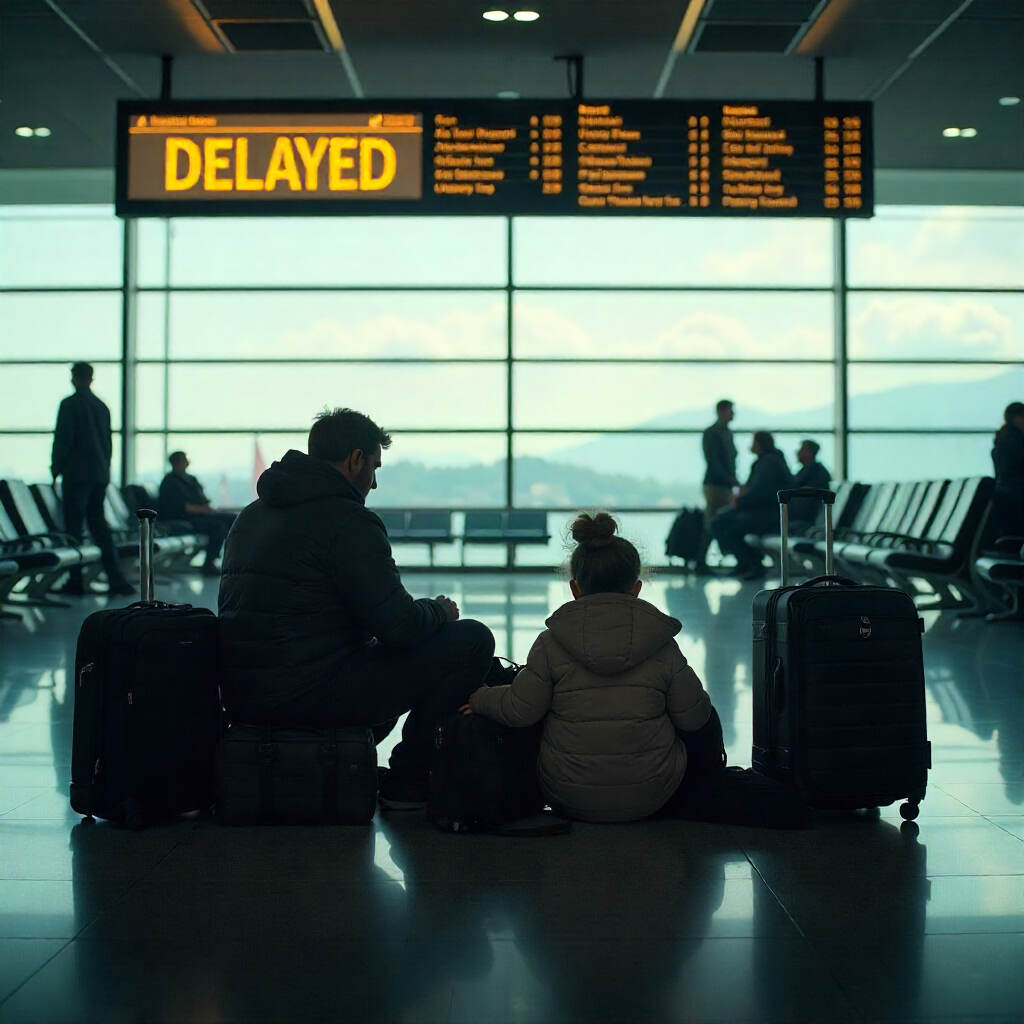
Travel interference hit France today. Operations at Paris’s key airports faced significant disruption and the ripple effects were immediate. We saw ten total Flight Cancellations, creating major headaches for travelers. Now, the facts show that 289 delays compounded the problem, pushing back schedules across Europe. Air France, the national carrier, was directly at the center of the troubles, shouldering a substantial portion of the grounded flights and delays. Other airlines also felt the pinch. This report digs into the specific numbers. We look closely at which Paris hubs suffered most and which airlines bore the brunt of the chaos. The goal is to lay out a clear picture of this operational failure impacting air travel in France.
The operational instability was primarily concentrated at the two main international gateways into Paris: Charles de Gaulle Airport and Paris Orly Airport. Both facilities are crucial for connecting France to global and European destinations and the disruption registered at each highlights the logistical challenges faced on this day.
At Charles de Gaulle Airport, the total volume of disruption was considerably high. Seven flight cancellations were recorded at this hub, representing the larger share of grounded services. More profoundly, 227 flights experienced delays, indicating that a substantial portion of the day’s schedule was impacted. Charles de Gaulle serves as a vital connecting point, meaning its delays are likely to create a cascading effect across Europe’s air travel network.
Meanwhile, at Paris Orly, three flight cancellations were reported. While the number of grounded flights was lower, the facility still contended with 62 delays. The nature of operations at Paris Orly, which focuses more heavily on domestic and short-haul European routes, suggests that regional travel within France and to nearby countries was compromised.
The disruptions were not confined to a single sector, with major full-service and low-cost airlines being affected.
Air France, the national flag carrier, was the most heavily impacted by the operational challenges at Charles de Gaulle. Five flight cancellations were attributed to Air France, alongside a massive 103 delays. This represents the single largest contribution to the overall disruption, placing considerable strain on the airline’s ability to adhere to its published schedule.
The low-cost sector was prominently affected at Paris Orly, primarily through easyJet. This airline registered two flight cancellations and four delays at the southern Paris hub. Similarly, Air Algerie was involved in the disruptions at Paris Orly, reporting one flight cancellation and eight delays.
Finally, Icelandair registered one flight cancellation at Charles de Gaulle, completing the list of carriers directly cited in the disruption figures for Paris.
Beyond these specific figures, delays were being experienced by several other Airlines, like easyJet, Turkish Airlines, Transavia France, Royal Air Maroc and more.
The confirmed operational issues are anticipated to generate an adverse effect on the tourism sector in Paris. The concentration of 289 delays across the two airports signifies that a vast number of both international and domestic arrivals into the capital of France were significantly postponed.
Arrival delays translate directly into complications for tourists, including missed or late transfers, loss of paid time for pre-booked activities and issues with hotel check-ins. Similarly, the ten flight cancellations represent tourists who either had their trips to Paris aborted or their departure plans fundamentally compromised, leading to a loss of revenue for the city’s hospitality and retail industries. While the specific financial impact cannot be calculated from the data provided, the severity of the operational interference dictates that numerous tourist itineraries have been adversely affected, creating a ripple effect across transport and hospitality services in the major French city. The image of France as a reliable travel destination is also potentially compromised when such large-scale disruptions occur.
Passengers whose travel plans have been compromised by a flight cancellation or a significant delay are advised to take specific, proactive steps.
Check Flight Status Directly: The most critical action is to continuously monitor the status of the affected flight through the official website or mobile application of the operating airline. The situation is dynamic and rebooking details are often updated in real-time.Know Your Rights: Passengers flying within the European Union are covered by EU Regulation 261/2004, which mandates specific rights for travelers facing a flight cancellation or a delay exceeding three hours. These rights often include the provision of care, such as meals and accommodation and the option for a full refund or re-routing.Seek Re-routing or Refund: Contact with the airline’s customer service should be initiated to secure a re-routing option on the next available flight or to process a full refund. Due to the high volume of calls following a major disruption in Paris, passengers should be prepared for potentially long wait times.Retain Documentation: All original tickets, booking confirmations and receipts for necessary expenses (like food or temporary accommodation) should be retained, as they will be required if a compensation claim is filed later.
-The information provided is sourced from FlightAware.
