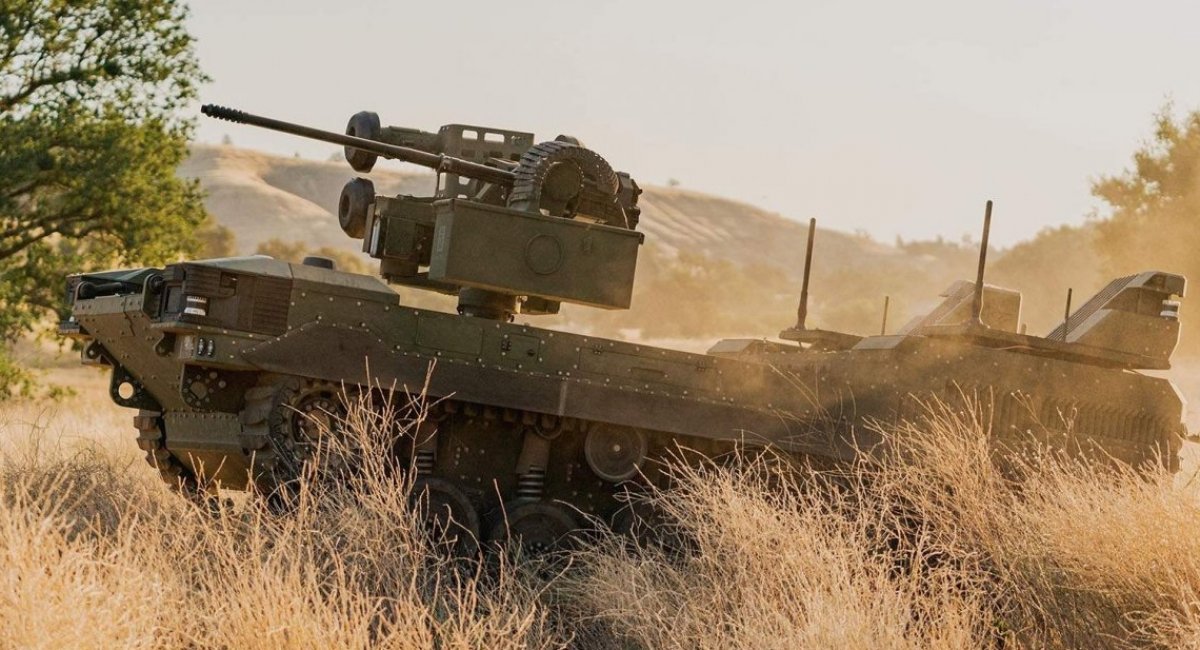
Howe & Howe company (a Textron Inc. division) received a contract to supply Ripsaw M3 modification transport unmanned ground vehicles to Sweden, which became the first European customer of these American UGVs. This is stated in Textrons official press release.
No details about the deal are reported neither the sum, nor quantity, nor delivery terms. Textron emphasized that their Ripsaw will be an ideal tool for working in the region, as it can operate on complex terrains and in difficult weather conditions.
Read more: After 50 Years, UFO Encounters USS Nimitz Begins Final Voyage to Scrapyard 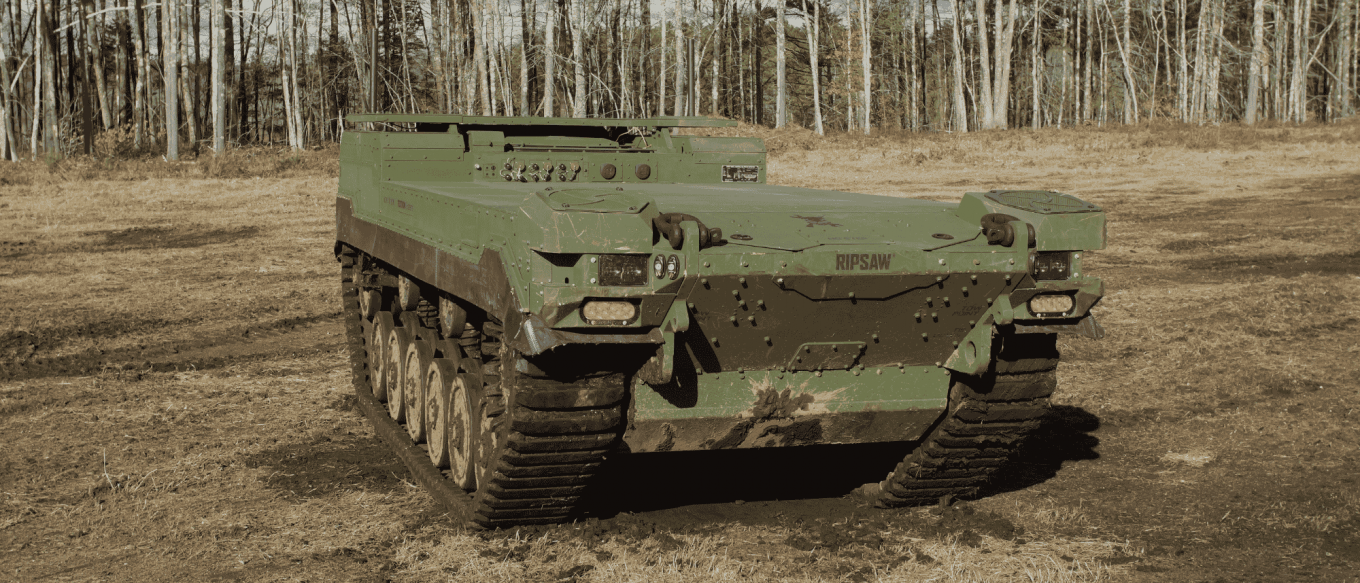 Ripsaw unmanned ground vehicle / Photo credit: Textron
Ripsaw series unmanned ground vehicles first appeared back in 2000 as an initiative “family” development by the Howe brothers, who founded Howe & Howe Technologies company, which was later bought by Textron. The first Ripsaw UGV prototype was essentially a civilian development, but in 2001 the American military became interested and ordered a militarized experimental MS1 prototype, which cost $200,000.
Today, the most modern and latest modification of the Ripsaw UGV is the M5 version, it was presented at the AUSA exhibition in 2019, and in 2021 the U.S. Army first tested how these “unmanned tanks” with 30mm cannon can destroy targets, with control conducted from a Bradley infantry fighting vehicle.
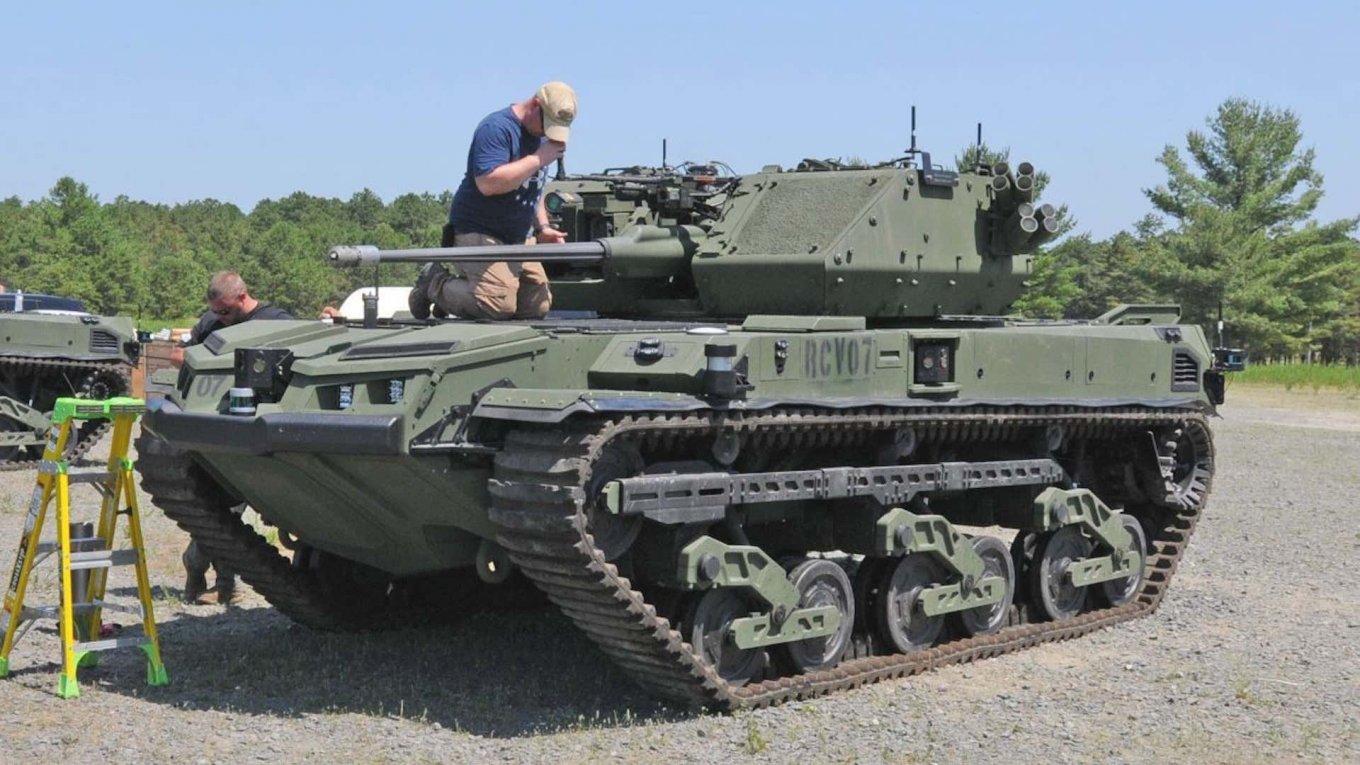 Combat Ripsaw M UGV during testing by American military / Open source photo
Regarding the Ripsaw M3 modification, it was presented in 2013 and, like the senior version, can be armed with various combat modules, etc.
Judging from the fact that the news about the contract with Sweden mentions a “transport UGV,” it means that the Swedish military will receive a logistics version of this unmanned ground vehicle.
And this is quite a large (and probably quite expensive) UGV with a mass of about 5,900 kg and the ability to transport cargo weighing over 2,200 kg, while its maximum speed reaches 48 km/h.
Today, Ukraine’s Defense Forces are increasingly using UGVs for logistics and evacuating wounded, however, we’re talking about much smaller platforms and, one can assume, times or even dozens of times cheaper.
Therefore, how practical it is to equip an army with such large platforms as Ripsaw M3, not to mention the 10-ton M5, is a very big question, considering that for the same funds one can purchase a significantly larger number of smaller platforms, which are often expendable material given their vulnerability to FPV drones.
Defense Express previously reported on where UGV development is heading now and how long Ukraine will wait for combat droids.
Read more: Turkey Unveils New Version of KGK-84 Aerial Bomb Guidance Kit Appears to Be Better Than JDAM-ER