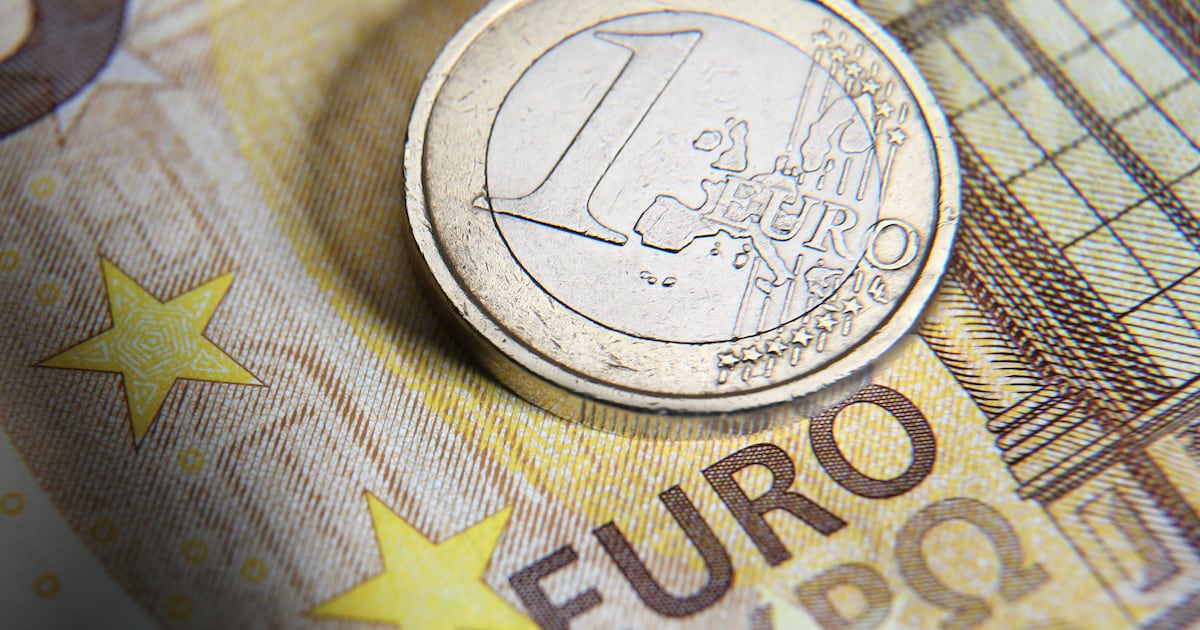
From barter to coins to banknotes to cards, the payment systems Europeans have relied on have never stopped evolving. Throughout history, innovations have made these systems increasingly sophisticated, efficient and convenient. Today, technology is transforming our society at an extraordinary pace. It is only natural, then, that our currency should also adapt. Europe needs a digital euro for the digital age.
For now, euro cash exists only in physical form – the banknotes and coins we hold in our wallets. As the most tangible expression of our single currency, cash brings us together. We know we can rely on cash. It is accepted throughout the euro zone. It is easy to use and inclusive. It protects privacy. And it is our money, issued by a public institution, the European Central Bank (ECB).
However, more and more Europeans are choosing to pay digitally in shops or buy products online. We therefore need a digital form of cash to complement the banknotes and coins we are familiar with. The digital euro is designed to respond to the opportunities and challenges presented by this transition.
This is the purpose of the Single Currency Package, presented by the European Commission in 2023. It puts forward two proposals which are currently being discussed by European legislators.
The first proposal aims to ensure individuals and businesses can continue to access and pay with euro banknotes and coins across the euro zone.
In parallel, the ECB is developing the next generation of euro banknotes with a new design to make them more attractive, relatable and inclusive for all Europeans, while ensuring they remain as secure and sustainable as possible.
Euro coins and banknotes are not going anywhere. Europeans will have the choice to pay in euro banknotes and coins or in digital euro. The digital euro is designed to complement, not replace, cash.
The second proposal sets out a framework for a digital euro. This framework ensures that the digital euro will be free, simple and inclusive. Accepted for any digital payment across the euro zone, the digital euro will meet the highest cash-like privacy protection standards. It will work online and offline, supporting digital payments on websites as well as transactions made without an internet connection.
In addition, the digital euro should be seen in the broader context of the need to improve Europe’s strategic autonomy. Today, our payments landscape is dominated by non-European providers. We lack a European digital solution – accepted for any digital payments throughout the euro zone – that can fill the gap left by declining cash use.
Ultimately, this makes us dependent on foreign-owned companies in an increasingly polarised and fragmented world. Ceding such a degree of technological control over the EU’s economy to others deeply impedes Europe’s ability to act autonomously on the world stage. It poses real threats to our resilience and our economic security. This is why we must act to reduce the external dependencies that might hinder our freedom to pursue policies in line with our own values and interests.
The digital euro will not compete with private means of payment. It will complement them, making it easier for European private payment solutions to scale up and to expand their reach and the features they offer.
2026 will be a crucial year for the digital euro project. At a recent summit, leaders of euro zone countries welcomed the latest progress. They also emphasised the importance of swiftly completing legislative work and accelerating other preparatory steps.
The ECB is preparing for the potential issuance of the digital euro by 2029, assuming the necessary legislation is adopted next year. These preparations will include a pilot exercise that is planned to begin in 2027.
The euro has become a mark of Europe’s economic strength and a symbol of our unity in the world. In 2026 the euro zone will welcome its 21st member, Bulgaria. The currency that will power the prosperity of 21 euro zone countries must now fully embrace the technologies of the 21st century.
The digital euro is an idea whose time has come. It is not just the latest step in the evolution of our money, it is integral to promoting our strategic autonomy and making the most of the digital age.
Piero Cipollone is a member of the European Central Bank’s executive board; Valdis Dombrovkis is European Commissioner for economy and productivity, implementation and simplification