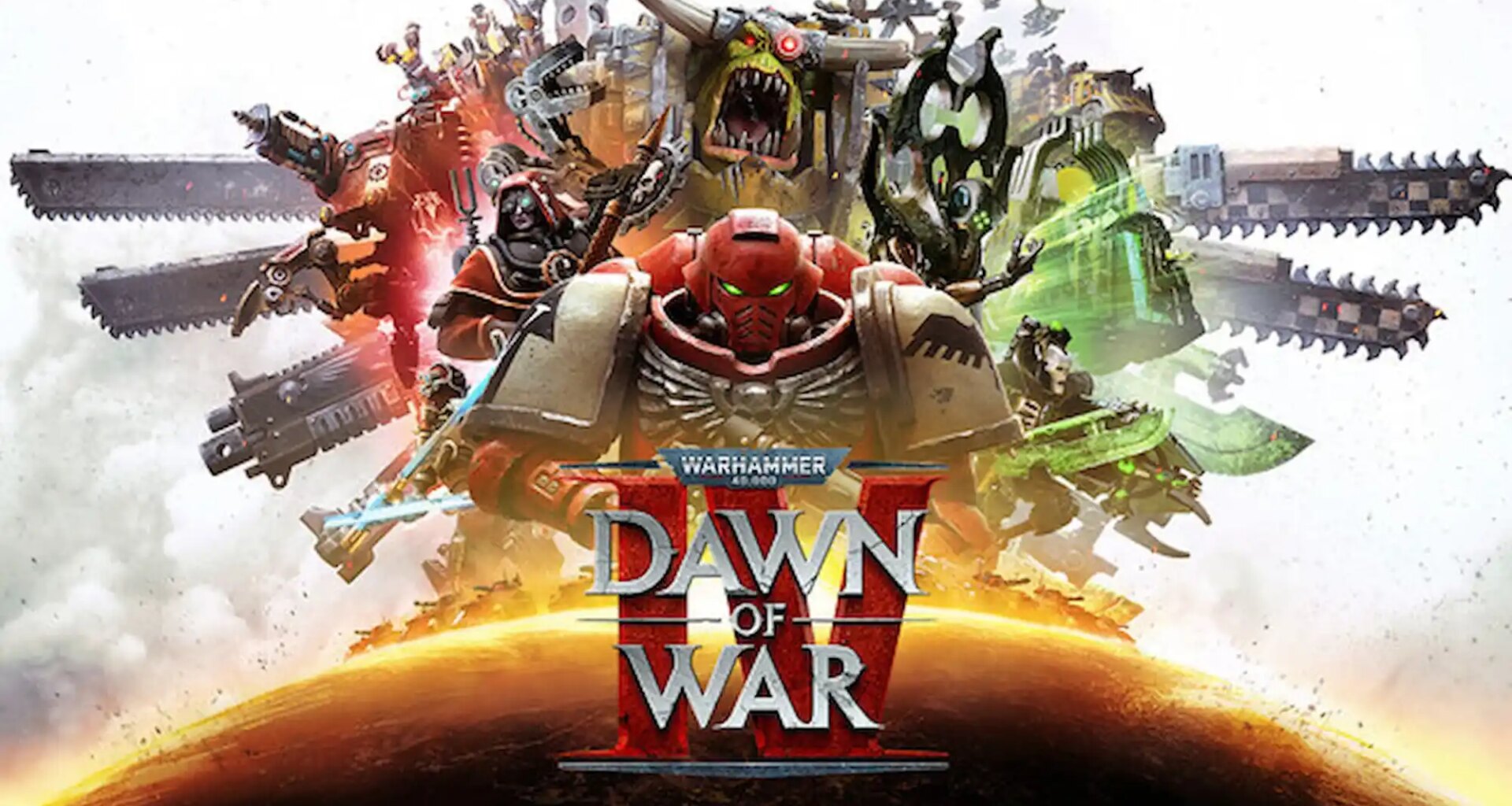
Warhammer 40,000: Dawn of War 4 is poised to deliver an epic return to one of the best real-time strategy series of all time. But with it being the fourth entry in the series, veteran fans may need a refresher on what to expect, while newcomers don’t want to go in blind. As someone who has played every game, there is a lot of lore to consider, and that’s not even considering the wider and far spread lore and games of the Warhammer 40K universe as a whole.
The story of Warhammer 40,000: Dawn of War differs from game to game, and while the original game’s Dark Crusade expansion is the most important to know, none of it is necessary to understand Dawn of War 4. However, you’ll get more enjoyment after knowing the series’ story. Not only that, but Dawn of War 4 draws gameplay elements from each game. Here is everything you need to know about the Dawn of War series leading up to Dawn of War 4.
Warhammer 40,000: Dawn of War 4 Is a Return to Form
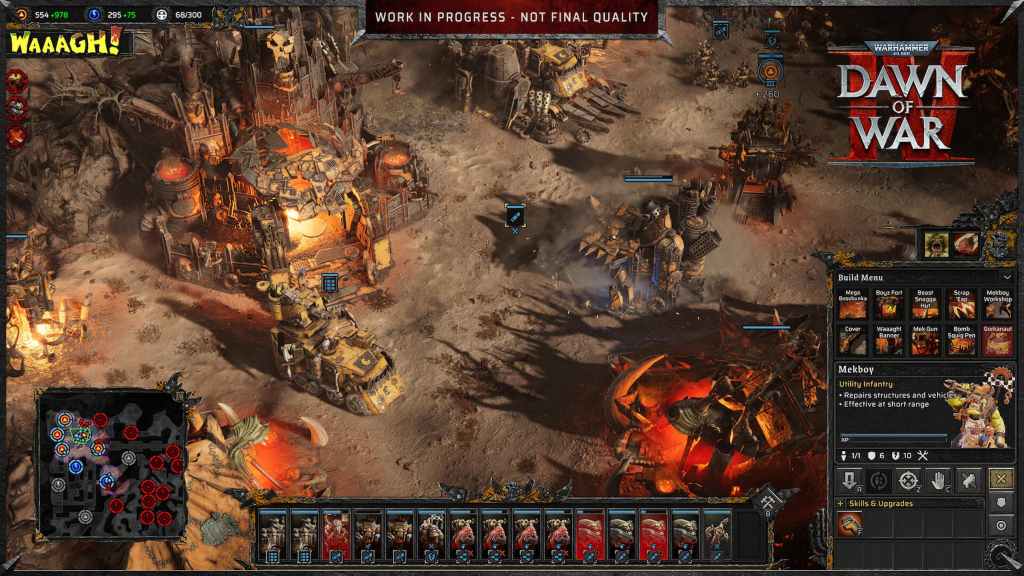 image courtesy of deep silver
Warhammer 40,000: Dawn of War helped redefine real-time strategy games when it launched in 2004. Its blend of brutal Warhammer 40K spectacle, impactful base building, and large-scale armies made it an instant classic, further strengthened by expansions like Dark Crusade and Soulstorm. But as the series evolved, it drifted from what fans loved. Dawn of War 2 shifted to small-squad tactics, and Dawn of War 3 pushed MOBA-inspired mechanics, changes that ultimately fractured the community and brought the franchise to a halt. Now, after years of silence, Warhammer 40,000: Dawn of War 4 is officially coming.
Announced at Gamescom and developed by KING Art Games, creators of Iron Harvest, Dawn of War 4 initially sparked mixed reactions. Fans were concerned the new team might repeat the experimental missteps of the past. However, developer comments and trailers offer reassurance. KING Art clearly understands that the heart of the franchise lies in its large-scale battles, base building, tech progression, and army management, and they’re bringing those pillars back.
One of the most exciting confirmations is that Dawn of War 4 fully embraces the classic formula: players will build bases, manage resources, research upgrades, and lead massive armies across sprawling battlefields. Instead of micromanaging small squads, players will once again direct full forces in dramatic, large-scale engagements. KING Art isn’t just copying Dawn of War, but modernizing its best ideas to capture the intensity and escalation that defined the original’s gameplay loop. This shift alone signals a major step back toward the identity fans have long missed.
Factions in Warhammer 40,000: Dawn of War 4
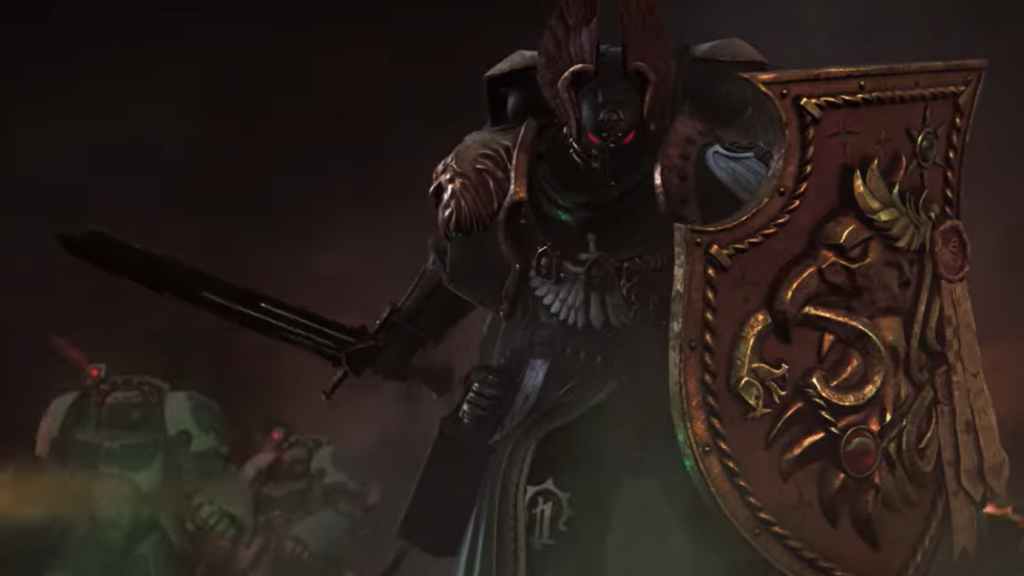 image courtesy of deep silver
The game launches with four factions, echoing the first game’s initial roster. While the absence of Chaos and Eldar raised eyebrows, it is entirely possible that fans will see more factions arrive through DLC like the first game. What sets Dawn of War 4 apart from past entries is its full campaign for each faction, not just the Space Marines. This time, every race gets a dedicated storyline from day one, and one that is more in-depth than Dark Crusade’s campaign.
A standout addition is the Adeptus Mechanicus, making their series debut. With their rising popularity in Warhammer 40K, their inclusion gives Dawn of War 4 fresh narrative and strategic flavor. Across all factions, the game promises 70+ missions, a scope that suggests KING Art is aiming for a campaign experience worthy of the franchise’s legacy.
The RTS genre may be smaller today, but KING Art’s vision for Dawn of War 4 shows genuine respect for what made the original beloved. By embracing large battles, meaningful strategy, and faction-driven campaigns, the studio is betting on a formula that fans have been waiting for. If executed well, Warhammer 40,000: Dawn of War 4 could be more than a comeback. It could restore the series to its rightful place at the top of the strategy genre.
Warhammer 40,000: Dawn of War 4 Brings Players Back to Kronus
In a nostalgic twist, Dawn of War 4 returns players to Kronus, the iconic setting of Dark Crusade. This nod to longtime fans sets the stage for both familiarity and fresh narrative opportunities. KING Art is also taking creative liberties: Gabriel Angelos will not return, allowing the story to move forward without the weight of past continuity. Characters like Cyrus do appear, but hero units won’t dictate the flow of gameplay. That is, unless Primarch Lion El’Jonson can be deployed in the field.
The conflict between the Blood Ravens, Orks, Necrons, and the newly added Adeptus Mechanicus opens the door for a unique narrative direction that honors the franchise without being limited by it. KING Art has the opportunity to tell one of the most interesting narratives in the franchise, and it just so happens to be a major return of a beloved series.
The Warhammer 40,000: Dawn of War Story
Play video
Dawn of War begins on the war-torn world of Tartarus, where the Blood Ravens Space Marine Chapter, led by Captain Gabriel Angelos, responds to an Ork invasion. What appears to be a simple cleansing operation rapidly spirals into a far larger, darker conflict. The Orks are being manipulated by the Alpha Legion, Chaos Space Marines who seek to access a forbidden artifact known as the Maledictum. However, more crucial to Dawn of War 4 is the Dark Crusade expansion, which features a non-linear sandbox campaign. There are multiple endings, but the canonical one is that the Blood Ravens are successful. It takes place on the planet Kronus, where the latest entry is returning to.
Dawn of War II shifts from grand armies to a more personal, squad-based narrative centered on the Blood Ravens’ ongoing struggle to defend the Aurelia Subsector. Newly recruited Space Marine squads, led by the player’s Force Commander and overseen by Captain Thule and Chapter Master Azariah Kyras, are drawn into a multi-front war. The Blood Ravens face Tyranids, Orks under Warboss Gitstompa, and Eldar forces attempting to manipulate events to preserve their own future. As the narrative unfolds across multiple planets, it becomes clear that Kyras has secretly fallen to Chaos. The story builds to a sector-wide confrontation where various factions pursue Kyras. Canonically, the Blood Ravens defeat the traitorous Chapter Master, purging him and much of the corruption festering within their ranks.
Dawn of War III brings back large-scale conflicts, uniting characters from the first two games while introducing new rivalries. The story centers on the world of Acheron, a planet holding the legendary Spear of Khaine, an ancient and catastrophic Eldar weapon. Gabriel Angelos, now a Chapter Master, returns once more, but he is not alone in seeking the artifact. Farseer Macha of the Eldar, a recurring figure since the original game, and Gorgutz, the brutal Ork Warboss from Dawn of War II, converge on Acheron as it emerges from the Warp. Each faction seeks the spear for its own objectives: the Eldar to prevent catastrophe, the Blood Ravens to secure it for the Imperium, and the Orks simply for glory, loot, and the promise of a climactic fight.
When Is Warhammer 40,000: Dawn of War 4 Releasing?
While it has been revealed, there is no release date known for Warhammer 40,000: Dawn of War 4. KING Art and Deep Silver have not even provided a release window, though many are hoping to see it launch in 2026 alongside Heroes of Might & Magic: Olden Era, another series revival. There is no guarantee that this is true, and seeing as we have only seen a few trailers, the game may still be in early development.
Neither publisher nor developer has confirmed platforms, but fans should expect it to release on PC first. If it does come to console, it will likely be after a PC exclusive period. RTS games usually find their home on this platform before migrating to others. While this does mean console players will miss out at first, the ports usually come with DLC or bug fixes that make the wait worth it.
What do you think? Leave a comment below and join the conversation now in the ComicBook Forum!