(Bloomberg) — Federal Reserve officials are primed to deliver a third consecutive interest-rate cut on Wednesday, but the streak may end there.
Concerns around lingering inflation have generated a deep division within the US central bank, likely preventing Fed Chair Jerome Powell from signaling any further moves early next year.
Most Read from Bloomberg
After lowering rates twice this autumn, and by 1.5 percentage points over the last 15 months, each additional reduction brings the Fed’s benchmark closer to the point where it would boost economic activity — something many officials are trying to avoid. Several officials believe they’re already at a neutral level which neither spurs nor constrains growth. The opposing views on how restrictive the Fed really is are likely to fuel another split decision, with some analysts betting on as many as three dissents.

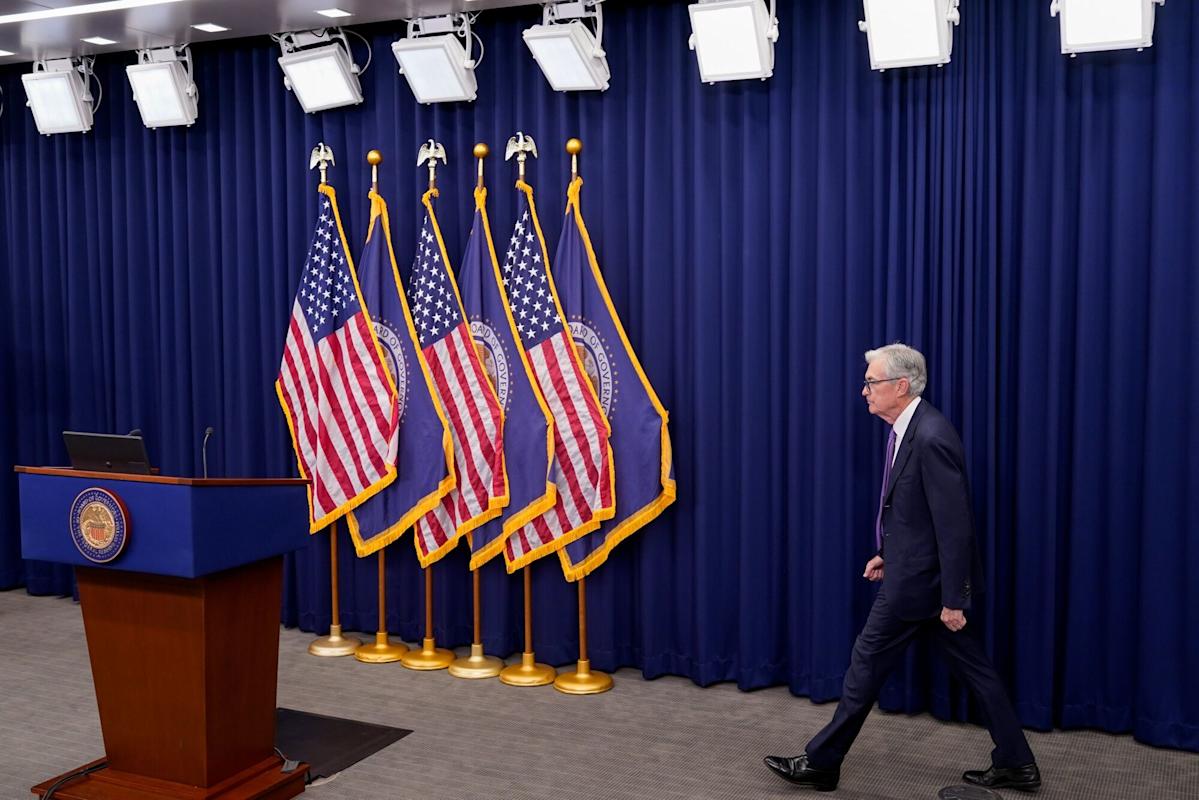
Photographer: Al Drago/Bloomberg
Powell’s task of forming a consensus will only prove harder in the absence of fresh economic data — the ripple effects of a government shutdown that spanned all of October and much of November. Official November data for the labor market won’t be released until Dec. 16, followed by inflation data two days later.
“It leaves the Fed in this position of having to walk a fine line,” said Diane Swonk, chief economist at KPMG.
Powell won’t be able to guarantee what the committee’s next move will be when he faces reporters after the meeting, Swonk added. “He’s got to represent the spectrum of views, which go from one extreme to the other, and that is just a much harder message to convey.”
The central bank’s rate decision will be released at 2 p.m. Wednesday in Washington, alongside a statement from the committee and a new set of economic projections. Powell will hold a press conference 30 minutes later.
Post-Meeting Statement
Announced layoffs fell in November, though some of the largest US companies, such as Amazon.com Inc. and Verizon Communications Inc., made news with plans to cut personnel. Consumer spending was little changed in September, while the Fed’s preferred gauge of inflation edged up to 2.8%, almost a full percentage point above the central bank’s target.
In that context, most analysts expect policymakers to repeat that downside risks to employment “rose in recent months” and that “inflation remains somewhat elevated.” Some also expect the statement to signal less certainty about the likelihood of additional rate adjustments in the coming months.