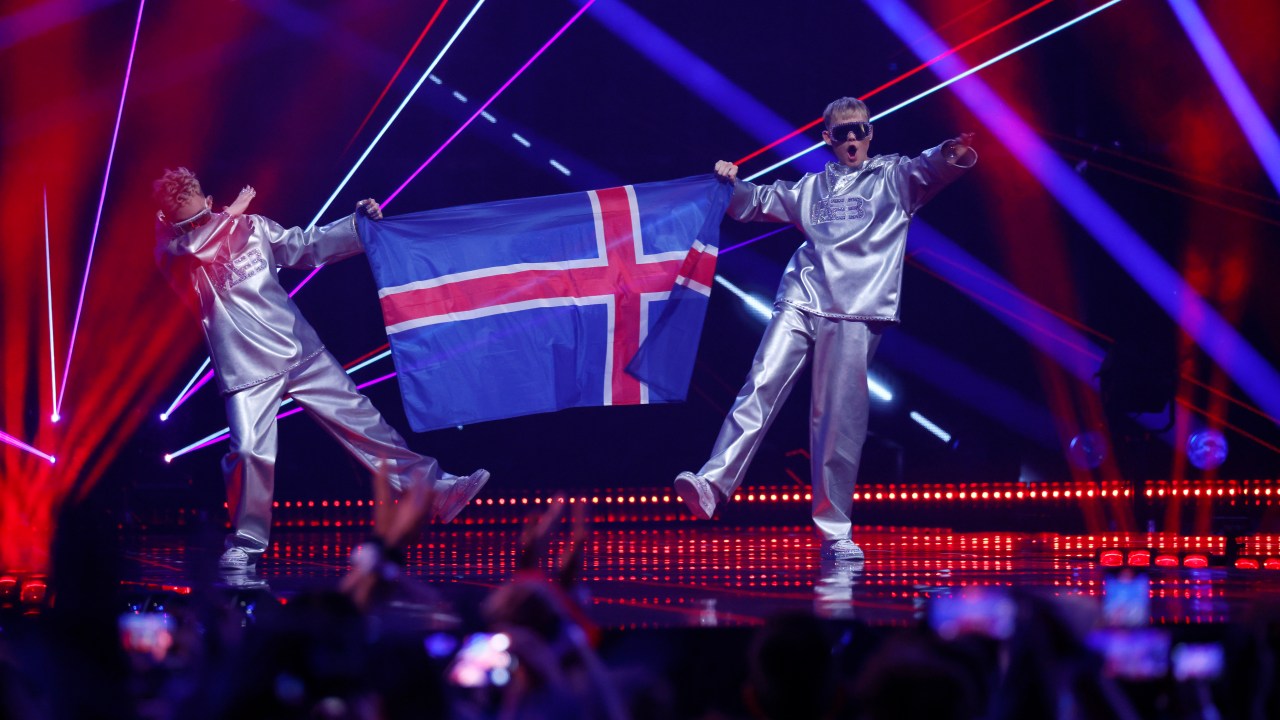
Iceland has become the fifth nation to confirm it will step back from the 2026 Eurovision Song Contest after Israel’s participation was approved.
Iceland’s public broadcaster RUV announced on Wednesday that it would withdraw from the international song contest following the decision by the European Broadcasting Union (EBU) to allow Israel to compete.
The EBU general assembly in Geneva ruled last week that Israel would remain eligible for Eurovision despite pressure from several member nations.
The decision to allow Israel to take part in the next Eurovision, which will be held in Vienna in May, earlier prompted Spain, the Netherlands, Ireland, and Slovenia to withdraw in protest, citing Israel’s conduct in the Gaza war.
RUV Director general Stefan Eiriksson confirmed Iceland’s withdrawal from the contest.
“It is clear from the public debate in this country and the reaction to the EBU’s decision last week that there will be neither joy nor peace regarding RUV’s participation,” he said.
Iceland was among the countries that had requested a vote last week on Israel’s participation.
However, the EBU decided not to call a vote on Israel’s participation, saying it had instead passed new rules aimed at discouraging governments from influencing the contest.
Right after that announcement by the contest organiser, the Dutch, Spanish, Irish and Slovenian broadcasters said they would withdraw, meaning singers from their countries would not compete in the competition that draws millions of viewers worldwide.
Although Iceland has never won Eurovision, it has twice placed second in the long-running contest in 1999 and 2009.
The Eurovision Song Contest dates back to 1956 and reaches around 160 million viewers, according to the EBU.
Switzerland won last year’s contest with the song “The Code” performed by Nemo.
In 2023, Sweden look out the top spot with the hit Tattoo” by Loreen.
With Reuters