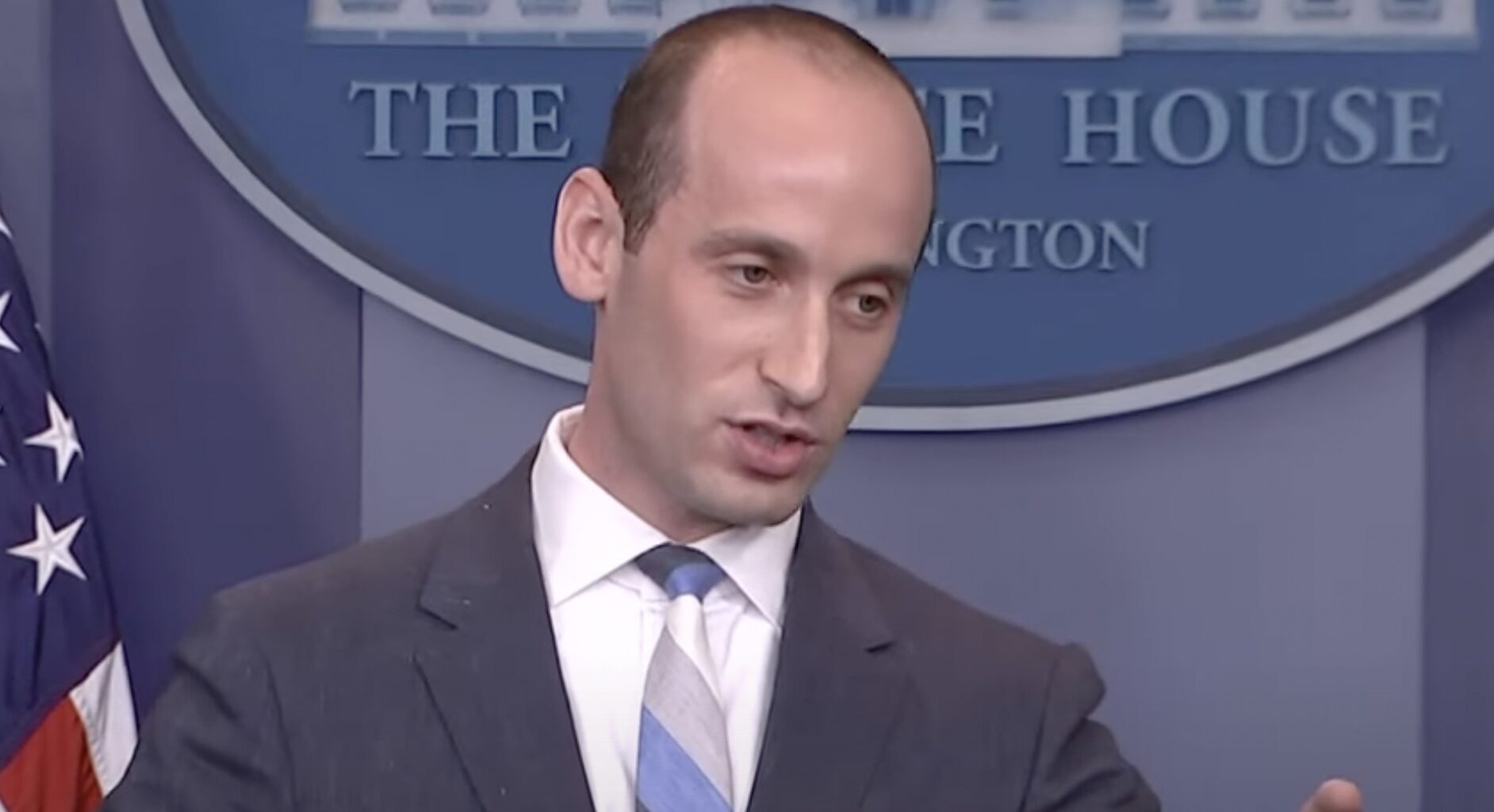
In a fresh round of commentary that’s already stirring pushback online, U.S. Homeland Security Adviser Stephen Miller has offered an expansive critique of how immigration shapes core American institutions — from classrooms to hospitals to law enforcement.
Speaking on a platform, Miller argued that many of the country’s most persistent challenges are not random failures but the byproduct of decades of policy choices. He framed immigration as a central force behind slipping test scores, rising healthcare pressures, and urban crime trends.
“Discuss. We talk about test scores. Well, if you subtract immigration out of test scores, all of a sudden, our test scores skyrocket. If you subtract immigration out of health care, all of a sudden, we don’t have near the size of the healthcare challenges our country faces. If you subtract immigration out of public safety, all of a sudden, we don’t have violent crime in so many of our cities. Issue after issue, we talk about these things that just happened to us. The schools just suddenly fail. Violent crime just. The deficit just suddenly skyrockets. These are a result of social policy choices that we made through immigration,” he said.
READ: Trump’s birthright citizenship order on hold, but rollout plan moves forward (July 29, 2025)
Miller’s comments mirror the hard-line posture he has maintained since his White House years, placing immigration at the center of his critique of federal and state governance. His remarks arrive at a moment when immigration policy is again dominating campaign trails, congressional fights, and nightly cable panels, even the social media mobilization.
He has also denounced the current birthright rule as an “atrocity,” arguing on X that it enables people “without legal status in the country” to obtain automatic citizenship for their children — which, he claims, “lets people … secure welfare benefits and political influence through children who acquire citizenship by being born in the United States.”
Miller’s hardline approach to immigration has been consistent for years. He has steadily positioned himself as one of the most vocal figures pushing to scale back both illegal and legal immigration, often arguing that the current system weakens national security, strains public resources, and affects the country’s social fabric.
Apart from his recent focus on birthright citizenship, Miller has also played a central role in shaping a wider immigration crackdown. Under his influence, the administration has moved to tighten visa rules, limit refugee admissions, increase deportations, and overhaul how asylum claims are handled.