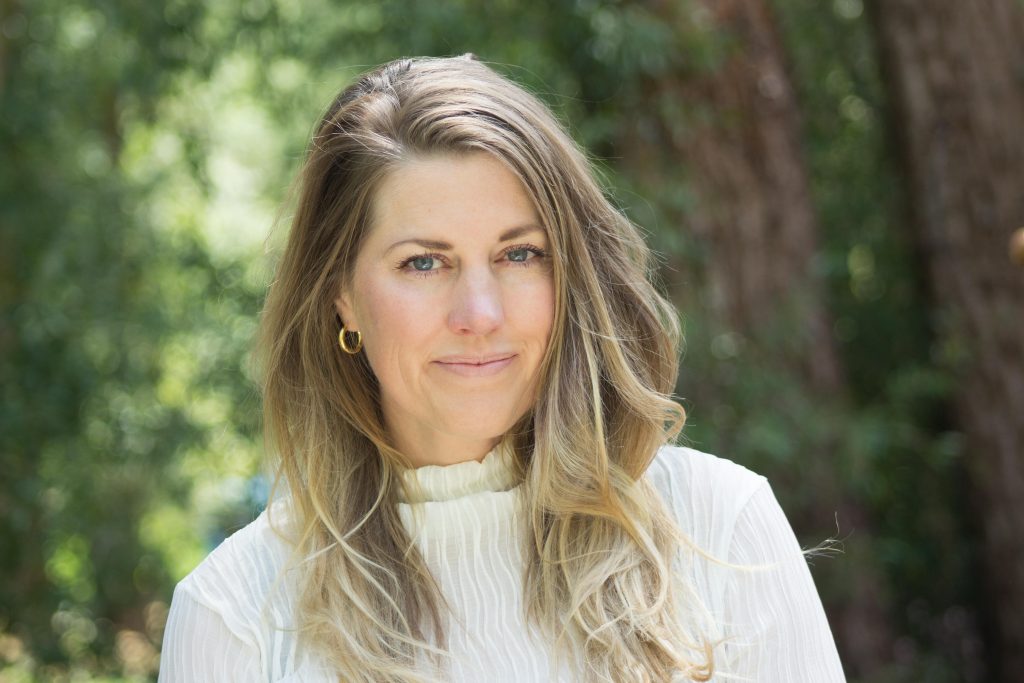
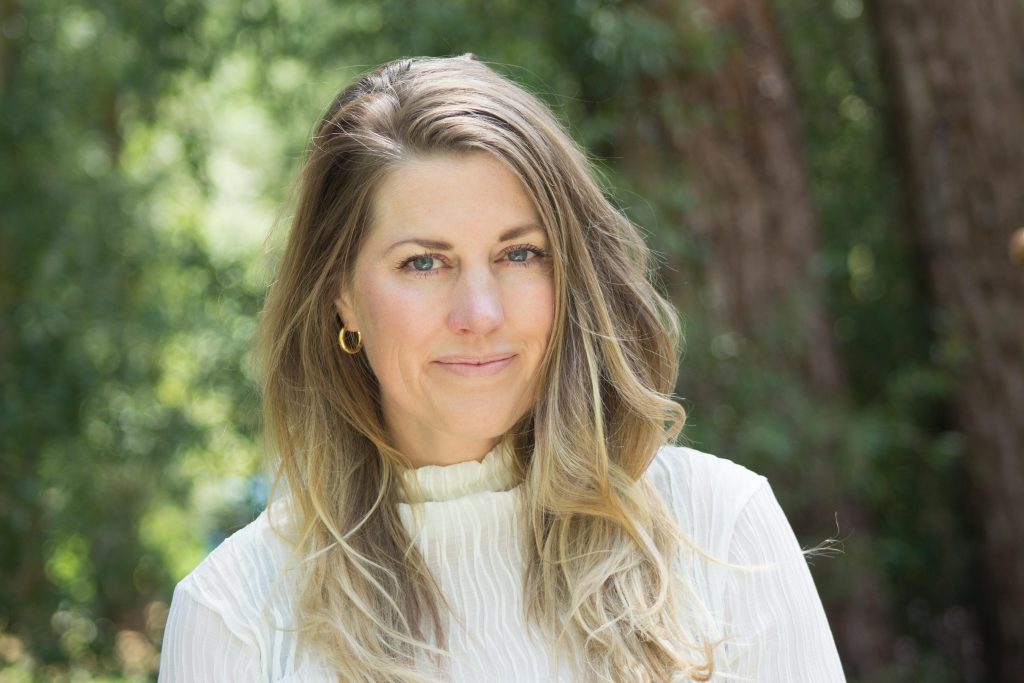
 Lindsay Branham.
Courtesy photo
You have to see it to believe it. The U.S. Environmental Protection Agency (EPA) has removed almost all mentions of human-caused climate change. The science has been scrubbed.
Before this administration, the EPA website was clear: climate change is driven by human activities — fossil fuels, industrialization, deforestation. Now? The agency lists volcanic activity, solar variations, and changes in Earth’s reflectivity. Humans have been erased from the story.
I will not use this article to justify the many decades of good, solid, replicable, published climate science. What concerns me the most is that this new attempt to erase reality also removes the main culprit of climate change — humans — and by so doing, abdicates us of all responsibility and accountability.
Memes are flooding my social media right now with quotes from the all-too-apt 2021 film starring Leonardo DiCaprio “Don’t Look Up.” DiCaprio plays a stressed-out climate scientist on the brink of a mental breakdown. He is trying to get politicians to believe him, but is being gaslit out of his own science. There is not much he can do. The film unfolds as a thriller to see if DiCaprio, with his good-hearted and slightly too anxiety-ridden gusto, can indeed save the planet from climate catastrophe. Spoiler alert: it doesn’t look good. In one scene, he is pleading, yes, nearly begging a politician in the fictional presidential administration to tell the public the truth.
DiCaprio says: “There is 100% certainty that pollution from burning fossil fuel is catastrophically heating the planet.” The government rep says: “Delete that from the website and let’s just, let’s move on.”
Wouldn’t that be nice if we could all “just move on” from this annoying problem called climate change? Which is actually a slightly more benign way to talk about “climate collapse?”
But we can’t pretend we are not the problem. Taylor Swift even taught us: “Hi, I’m the problem, it’s me.”
If we do not take responsibility and accountability as individuals, societies, nations, and a global community, we are co-signing our own demise. This is not identity politics. This is fact.
I’ve been a social scientist long enough to understand how powerful information is and how persuadable and vulnerable we are as a species to narratives that reduce cognitive dissonance, and feelings of guilt and shame. It feels better to not be the problem. But this all-too convenient (and ultimately false) escape hatch out of the global problem of a changing climate toward an unlivable planet will not save us. Because the planet is changing. We are in this together.
What is the motivation? Why now? Some analysts see this pre-bunking effort as laying the groundwork for the EPA to attempt to repeal the 2009 endangerment finding for greenhouse gas emissions — a scientific finding that enables it to regulate climate pollution. The downstream impacts of this reversal would decrease regulations on pollution, leading to much dirtier and unhealthier water and air.
Don’t we all want to enjoy a healthy planet and healthy environments? Is that not good for, literally, everyone?
While these changes to the climate narrative by the EPA are by no means surprising, they will certainly evoke new questions that are frankly frustrating to even have to entertain. How do we remind each other that humans are causing climate change and can also reverse it? Because those who work on climate have real work to do. Like protecting forests from being clear-cut, rivers from being damned, oil pipelines from being laid in pristine wilderness. It’s an untenable waste of energy to now have to battle over the suddenly shaky premise if humans are the culprit or not.
Spoiler alert: we are.
But the good news is we can do something about it. We are very lucky to be in a valley where we understand every single day how much our lives, bodies, and happiness is shaped by the environment we live in. We know that if we pollute our rivers, we will not have clean water to drink. This is obvious.
But for those willing to engage in moral subterfuge to unhook their complicity, they, too, will be impacted by the planet we all have to share.
What do we do now? We teach our kids solid climate science. We remind each other of our shared accountability. We uphold the social norms of empathy, responsibility, and environmental protection. We support local organizations like the Aspen Center for Environmental Studies, founded on excellent climate science, to protect this valley. We accelerate the transition away from fossil fuels to clean energy. We end public financing for oil and gas expansion. We align our investments with our values.
We advance legislation like my proposed Rights of Nature ordinance to protect our corner of the wild the best we can. We do our part as individuals and work towards better systems so that rivers, mountains, and forests flourish, and so do we. We give thanks for the beautiful wilderness. And we keep that relationship alive.
Dr. Lindsay Branham is an environmental psychologist, scholar, author and Emmy-nominated filmmaker whose work explores embodied kinship between humans and the Earth. Subscribe to her Substack at lindsaybranham.substack.com.