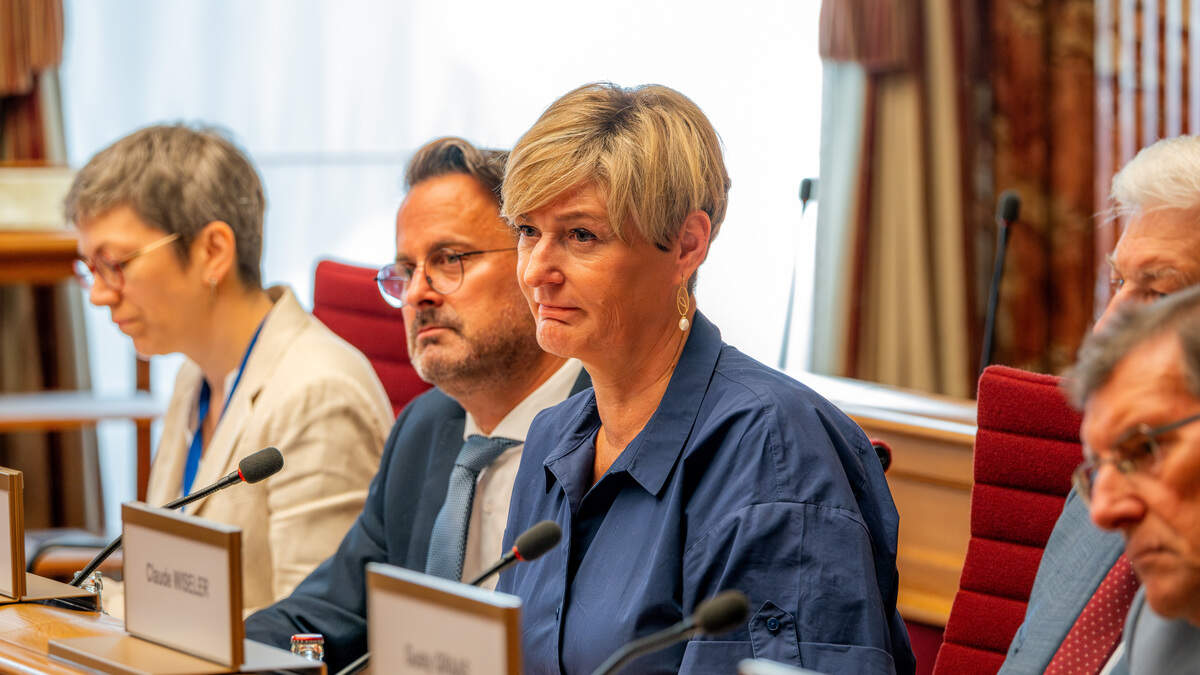
Changes to the way petitions are debated in Luxembourg’s parliament, including determining which language is used and imposing time limits on speakers, will take effect from Wednesday, the chair of the petitions committee has said.
On Wednesday, MPs will debate a public petition calling for an increase in the state meal allowance for civil servants, the first petition to reach the new threshold of more than 5,500 signatures since the criteria was changed back in March.
In an interview with the Luxemburger Wort, LSAP deputy Francine Closener, president of the Chamber’s Petitions Committee, assessed the impact of the higher threshold and outlined changes to how petitions are handled.
What is your assessment of the impact following the increase in the required number of signatures from 4,500 to 5,500?
Even before the new threshold was set, we had a lot of petitions this year that didn’t even come close to reaching the old threshold. Many petitions receive only a few signatures. However, the number of petitions has risen sharply.
At 496 petitions, it is higher than ever before. It’s even higher than during the Covid-19 pandemic, when we had the previous record of 473 petitions in 2021/22. And we’ve now surpassed that record again.
This is also due to the large number of ‘ordinary petitions’ being submitted. These are petitions where an individual can simply contact the Chamber with a dossier of a more general nature.
These petitions do receive a response. We regularly contact the ministry to ensure that each petitioner receives a reply. The number of standard petitions has increased significantly.
Also read:No petitions in Luxembourg have reached quorum since threshold increase in March
Can you explain why petitions are collecting fewer signatures today than in the past?
Not really. We thought it might have been due to a technical problem with the Chamber’s IT system, which meant the petitions weren’t online and therefore didn’t gather enough signatures. We then put them back online, but even then, none of them came close to reaching the required number. So, we don’t really know for sure.
The only thing I can guarantee is that I will ensure both the Chamber and the ministers conduct a follow-up after a public debate. That is why I have already sent letters on behalf of the Petitions Committee. I have reviewed everything again with my staff here in the Chamber to check what conclusions were drawn from the public debate.
What criteria must a petition fulfil in order to be approved by the Petitions Committee and be allowed to collect signatures?
It must not be defamatory or discriminatory. Petitions that are nonsensical or obviously made just for fun are not permitted. They must meet certain conditions: they must be reasoned, have a purpose, and be written in one of the three official languages. All criteria can be found on the petitions website. The committee will then review whether a petition request meets these criteria. The minimum age to sign a petition is 15.
A petition must fulfil certain criteria before it can be accepted, said Francine Closener. © Photo credit: Marc Wilwert / LW-Archiv
Are petitions an important instrument for involving citizens in politics?
Absolutely. I think it’s really important because it clearly shows where the problems lie. We need to make sure people’s concerns are heard. And sometimes an issue slips through the cracks. Very often it’s petitions or the petitioners who bring the issue back to the forefront. I think it’s really important that we maintain this.”
What changes are planned for the petitions?
Starting this Wednesday, there will be some changes. Firstly, these affect the rules of conduct. Petitioners must express themselves in one of the three official languages and may not suddenly switch to another language. Otherwise, we will no longer be able to translate it for the live stream. Furthermore, petitioners will be informed that they must stay on topic and may not suddenly submit a petition and then discuss something completely different in the public debate. This has already happened.
Furthermore, we will introduce a time limit for members of parliament, so that everyone essentially has two minutes to ask a question or make a statement. Previously, there were always members of parliament who used this time to speak at length, preventing their colleagues from getting a chance to speak.
(This article was originally published by the Luxemburger Wort. Translated using AI, edited by Kabir Agarwal)