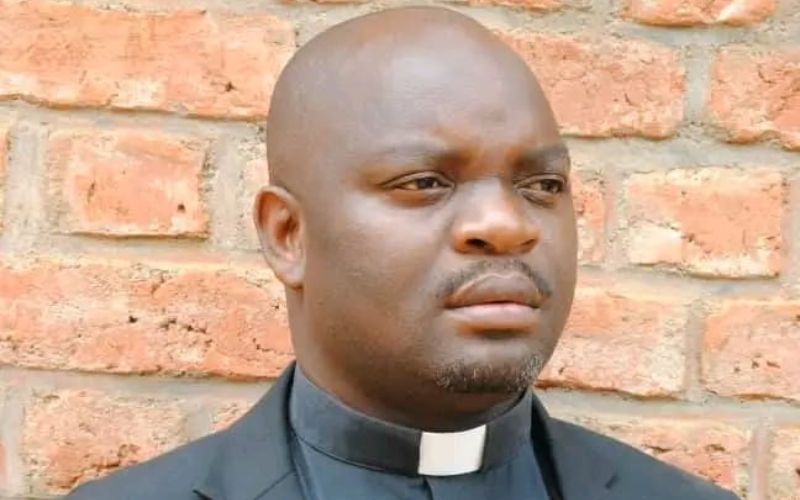
“Your contribution will encourage wider participation by the dioceses, helping to make each one an active part of the event that the Church dedicates to the children of the world,” the letter that Fr. Madeya shared with ACI Africa indicates.
In the December 10 interview, Fr. Madeya said that his nomination “is a plus to the office of the Pontifical Mission Society in Malawi.”
“It means even the Holy See through the dicastery of Laity, family and Life, which is promoting 2026 WCD, are recognizing the good work the church of Malawi is doing for the children,” he said and added, “That is why they have given us a chance to be part of the second World Children Day.”
On the WCD website, the organizers of the event, which is the second of its kind, have emphasized that “girls and boys from every corner of the earth will gather in Rome for a unique moment of celebration, joyfully open to encounter and sharing.”
They described the event as “an event of faith, filled with reflection, spirituality, and prayer, crossing continents to give voice to the children of the world, beyond all borders, without barriers or prejudice.”
Pope Leo XIV, exhorted the WCD organizers to “do everything possible” so that the event “may open its arms to all children, beginning with those who suffer from war, those who endure poverty and inequality, and those who are sick, neglected, or unprotected.”
The Organizing Committee, operating under the guidance of the Dicastery for Laity, Family and Life, has said that it is “working together with numerous international organizations and partners so that the event may fully express its vocation for inclusiveness and be as open and participatory as possible.”
The committee highlighted the importance of the “authentic fraternity that children know how to live and express, recognizing one another beyond all differences of origin, language, and history.”
Officials further noted that WCD “was not created to be a major event held every two years, but rather a global movement that unites faith, education, culture, and civic engagement.”
They described it as “a stage in a meaningful and valuable journey, a sign of hope, a bridge between cultures, generations, and peoples.”