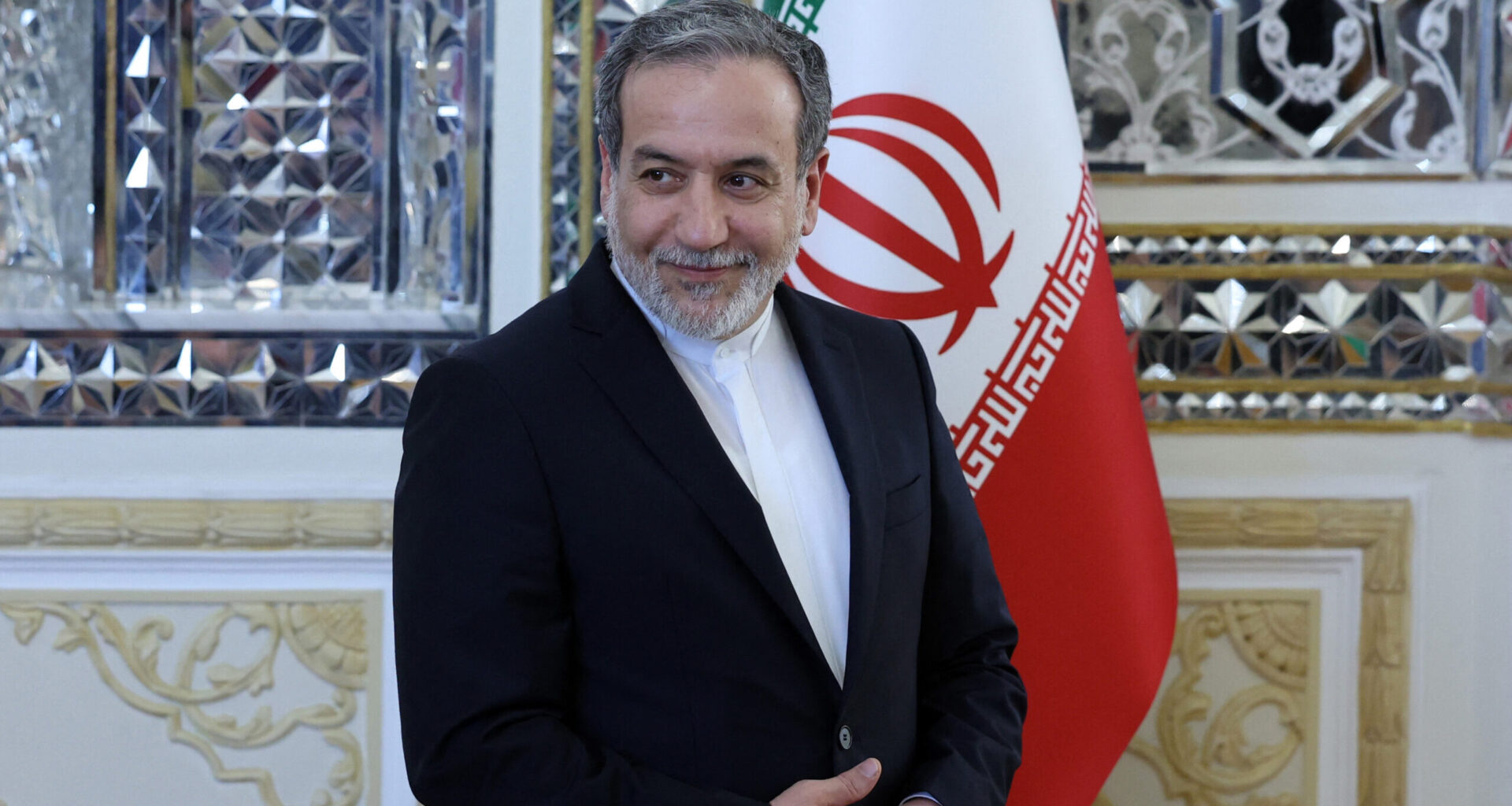
Iran’s Foreign Minister Abbas Araghchi said on Thursday that he will travel to Beirut for talks after Lebanese Foreign Minister Youssef Raggi rejected an invitation to visit Tehran, insisting instead on either hosting Araghchi in Lebanon or meeting in a neutral country, as they navigate tensions over Hezbollah’s weapons and Lebanese sovereignty.
The dispute highlights an ongoing struggle over the venue and format for talks on Iran’s role in Lebanon and on carrying out a ceasefire plan that would strip Hezbollah of its weapons and place all authority firmly in the hands of the Lebanese government.
Raggi wrote on X that he “could not accept” traveling to Tehran under the current circumstances, but later sent a formal diplomatic letter inviting Araghchi to Beirut, stressing that his stance did not mean a refusal to engage in dialogue with Iran. In his public response, Araghchi said he would “gladly” accept the Beirut invitation while describing Raggi’s preference for a neutral venue as puzzling, arguing that foreign ministers of countries with full diplomatic ties do not need a third country in which to meet.
Raggi frames his position as part of a broader effort to ensure that only the Lebanese state, via its army, holds weapons and decides on war and peace, implicitly challenging Hezbollah’s arsenal and Iran’s support for the group.
For Iran, the Beirut visit is an opportunity to maintain its sway in Lebanon, where Hezbollah has been a central ally but has been weakened by a costly war with Israel.
The talks are tied to broader regional initiatives, backed by Western and Arab governments, to strengthen Lebanese state institutions and rein in armed groups operating outside official authority.