Published on
December 13, 2025

Italy joins Greece, France, the Netherlands, Spain, Iceland, and others in introducing new tourism taxes to balance sustainability and profit, addressing the environmental and infrastructure strain caused by rising tourist numbers. As popular European destinations face increasing pressure from the growing influx of visitors, these countries have implemented measures to generate revenue that will help preserve their cultural heritage, protect natural landscapes, and support local infrastructures. These tourism taxes, which range from environmental fees to luxury surcharges, aim to ensure that tourism continues to be a source of economic benefit while mitigating its adverse impacts on the environment. In this article, we explore the new tax initiatives across Europe and how they reflect a broader strategy of integrating sustainability into the tourism sector.
Venice, Italy: “The Day-Tripper Tax”
In a bold move to preserve its delicate historic center, Venice has introduced a unique access fee aimed specifically at day-trippers. Starting at €10 per person, this fee applies to visitors entering the city during peak times, typically weekends and public holidays, between 8:30 AM and 4:00 PM, from April through July. However, there is a discount for early planners—those who book and pay at least four days in advance can secure the fee at a reduced rate of €5 per person. Overnight visitors within Venice’s municipality are exempt from this fee but must register online for a free QR code. While the fee targets overcrowding, those staying overnight still pay a separate tourist tax (Tassa di Soggiorno), ensuring that Venice continues to raise funds to manage its cultural heritage and environmental sustainability.
Basic Fee: €10 per person for day visits.Discounted Fee: €5 per person for bookings made at least 4 days in advance.Exemption: Overnight visitors within the municipality are exempt but must register for a free QR code.Additional Tax: Visitors staying overnight still pay the Tassa di Soggiorno (Tourist Tax) of €1.50 to €5 per night.Greece: “The Climate Resilience Tax”
Greece’s new “Climate Resilience Tax” is a direct response to the growing climate crisis. Replacing the previous accommodation tax, the new levy is designed to support climate change adaptation and mitigation strategies, particularly in the face of increasing natural disasters such as floods and wildfires. The rates vary depending on hotel class, with 1-2 star accommodations paying €2 per room per night, and 5-star hotels or luxury villas seeing up to €15 per room per night during the high season (April through October). Additionally, cruise passengers visiting popular islands like Santorini and Mykonos will face a separate charge of up to €20. This hefty tax aims to bolster Greece’s climate resilience while ensuring its tourism sector contributes to long-term environmental sustainability.
1-2 Star Hotels: €2 per room per night (high season).3 Star Hotels: €5 per room per night (high season).4 Star Hotels: €10 per room per night (high season).5 Star Hotels/Furnished Villas: €15 per room per night (high season).Cruise Levy: Up to €20 per person for cruise passengers on highly congested islands.Netherlands (Amsterdam): “Skyrocketing Lodging Tax”
Amsterdam is already infamous for its high lodging taxes, and it shows no sign of slowing down. The city has implemented one of the steepest tourist taxes in Europe, with the levy totaling approximately 12.5% of the accommodation cost, plus a per-person, per-night fee. For visitors arriving by cruise, the city also imposes a separate charge, which has recently increased to around €14.50 per person. This escalating tax is part of Amsterdam’s strategy to manage its ever-growing tourist influx while funding city services and infrastructure. While this tax has earned mixed reactions, it underscores the city’s balancing act between welcoming tourists and preserving its quality of life for residents.
Lodging Tax: 12.5% of the accommodation cost, plus a per-person, per-night fee.Cruise Passenger Fee: €14.50 per person for cruise passengers.Spain (Catalonia/Balearic Islands): “The Surcharge Surge”
Spain’s regional governments are adding a fresh layer of complexity to its tourist tax system with substantial city surcharges. In Barcelona, the combined regional and municipal taxes can reach up to €15 per person per night for high-end accommodations, targeting luxury tourists to help fund local services and infrastructure. The Balearic Islands, including popular destinations like Mallorca and Ibiza, also levy an Ecotax ranging from €1 to €6 per person per day, based on the season and hotel class. This tax supports environmental initiatives aimed at protecting the islands’ fragile ecosystem, particularly in the face of rising tourism numbers. Both surcharges highlight Spain’s growing emphasis on sustainable tourism and eco-friendly funding mechanisms.
Barcelona: Up to €15 per person per night for high-end accommodation taxes.Balearic Islands Ecotax: €1 to €6 per person per day, depending on the season and luxury level.France (Paris): “The Tiered Luxury Tax”
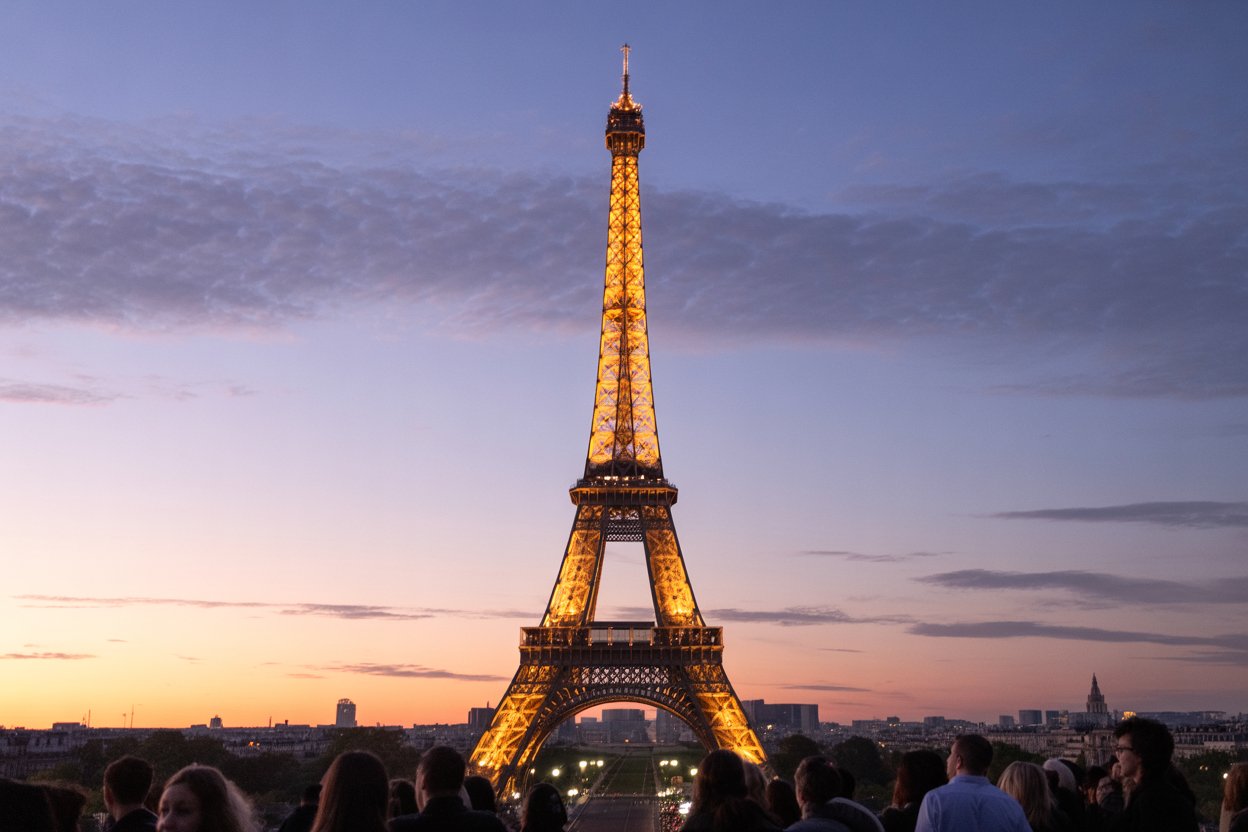
In anticipation of upcoming global events, Paris has introduced a tiered luxury tax that primarily targets high-end tourists. Hotels rated as “Palaces” or five-star establishments face steep taxes of over €15 per person, per night. This system, designed to fund Paris’s tourism infrastructure and support its cultural initiatives, disproportionately affects affluent visitors who stay in top-tier accommodations. This move comes at a time when the city is bracing for an influx of international tourists, as it prepares to host major global events. While the tax may raise the cost of luxury stays, it’s part of a broader strategy to ensure that tourism benefits the city’s long-term sustainability while maintaining its world-class status.
Luxury Tax: Over €15 per person per night for “Palaces” and five-star hotels.Iceland: “The Environmental Fee Hike”
Iceland, known for its pristine natural beauty, has raised its environmental fee on overnight stays as part of its ongoing efforts to protect its delicate landscapes from the impacts of rising tourism. The fee now ranges between €4 and €5 per night, a significant increase from previous years, reflecting the country’s commitment to preserving its “virgin nature.” With its unique geothermal hot springs, volcanic landscapes, and glaciers, Iceland’s environment is under growing strain from the massive influx of visitors. The increased fee helps fund conservation programs and sustainable tourism initiatives that safeguard Iceland’s most treasured natural wonders while ensuring that tourism continues to contribute positively to the local economy.
Environmental Fee: €4 to €5 per night for overnight stays.
Italy joins Greece, France, Netherlands, Spain, Iceland, and others in introducing new tourism taxes to balance sustainability and profit, addressing the environmental and infrastructure strain caused by rising tourist numbers.
Conclusion
Italy’s decision to join Greece, France, the Netherlands, Spain, Iceland, and other European nations in introducing new tourism taxes underscores a collective recognition of the need to balance sustainability and profit. These taxes are not just financial measures; they are essential steps toward addressing the mounting environmental and infrastructure strain caused by the ever-growing number of tourists. By implementing these strategic taxes, countries are not only generating much-needed revenue but also ensuring that tourism can continue to thrive without compromising the preservation of their cultural and natural treasures. As these nations move forward, their efforts serve as a blueprint for how tourism can be managed responsibly, benefiting both local communities and the global environment.
