by Peerzada Mohsin Shafi
Nehabiho’s Sweden–Kashmir reflections use language, daily life and honest comparisons to urge Kashmiris to preserve culture, rethink education, improve public behaviour and adopt mindful, compassionate practices at home.
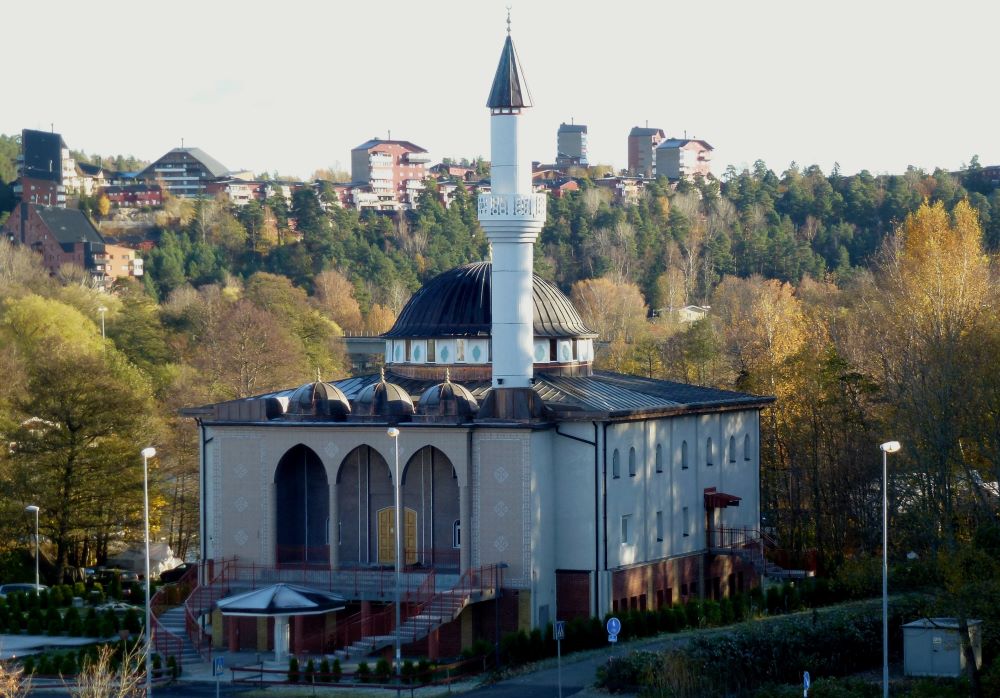 The Fittja Mosque in Stockholm County (Sweden), completed in 2007, features Turkish-style architecture, a 32.5-meter minaret, and a prayer room adorned with hand-painted tiles.
Nehabiho, the woman behind the Instagram handle @nehabiho, has managed to carve out a unique space for herself in the vast landscape of content creators. Originally from Kashmir, Nehabiho now lives in Sweden with her husband and two beautiful children.
Unlike many content creators from Kashmir who focus on either showcasing the glamorous side of life or indulging in trends, Nehabiho’s content stands apart for its authenticity, simplicity and profound connection to her roots. Through her posts, Nehabiho takes her followers on a journey that not only bridges the geographical distance between Kashmir and Sweden but also invites them to reflect on the values, traditions and lifestyles that define both places.
What makes Nehabiho’s content truly extraordinary is the way she celebrates and contrasts her life in Sweden with her memories of Kashmir. In her daily posts and videos, she highlights the beauty of small moments, whether it is her children’s laughter, the natural landscapes of Sweden or the quiet rituals of family life. But it is not just the everyday activities that make her content stand out; it is her ability to infuse these moments with deeper meaning. Nehabiho’s connection to Kashmir, despite being physically distant, shines through in every post. She has not only maintained her Kashmiri identity but has woven it into her content in a way that feels both nostalgic and relevant to her audience.
A significant part of Nehabiho’s charm lies in her unapologetic use of Kashmiri, a language that is slowly fading in the valley as English and Urdu take precedence. In all of her videos, she and her children speak in Kashmiri, even while living abroad. They proudly preserve their mother tongue, no matter the distance from home. Yet here in Kashmir, many of us still feel hesitant or embarrassed to speak our own language, despite being surrounded by our cultural roots.
In a world where many Kashmiris have abandoned their native tongue, often due to societal pressures or a desire to integrate into the globalised world, Nehabiho’s decision to speak Kashmiri in every video is a powerful statement. It is not just about preserving the language; it is about reclaiming it as a tool for storytelling, for expressing love, pain, joy and identity. By doing so, Nehabiho is sending a strong message to the people of Kashmir, particularly the younger generation, that speaking in their mother tongue is not something to be ashamed of. Instead, it is a source of pride and a vital connection to their heritage.
 Beyond her use of language, Nehabiho’s content offers sharp observations and comparisons between life in Sweden and life in Kashmir. One of the recurring themes in her videos is the contrast between the educational systems in the two places. Nehabiho frequently shares her thoughts on the Swedish approach to education, which she describes as more child-centric, joyful and practical.
In Sweden, children are encouraged to explore, learn through play and develop emotional intelligence, an approach that is markedly different from the rigid and stressful educational system that prevails in Kashmir. Nehabiho does not shy away from calling out the issues she sees in Kashmir’s education system, such as the excessive focus on rote memorisation, homework and peer pressure. Through her posts, she urges parents to consider the long-term mental health of their children, advocating a more holistic approach to learning—one that values creativity, emotional well-being and curiosity.
Besides, Nehabiho’s observations extend to the small yet significant aspects of daily life that often go unnoticed. For instance, she often compares the discipline and orderliness of Swedish life to the chaotic, sometimes neglected state of affairs in Kashmir. Whether it is the cleanliness of public spaces or the way people interact with each other, Nehabiho highlights how small changes in behaviour, such as taking responsibility for one’s surroundings, can lead to a more harmonious and organised society.
Her videos on garbage disposal, for example, emphasise the importance of cleanliness and how even a simple practice like waste management can make a significant difference in how a community functions. She draws a clear line between the well-maintained public spaces of Sweden and the unsightly piles of garbage that have become all too common in parts of Kashmir. Through these comparisons, Nehabiho not only points out the gaps but also challenges the people of Kashmir to adopt better practices for the sake of their environment and community.
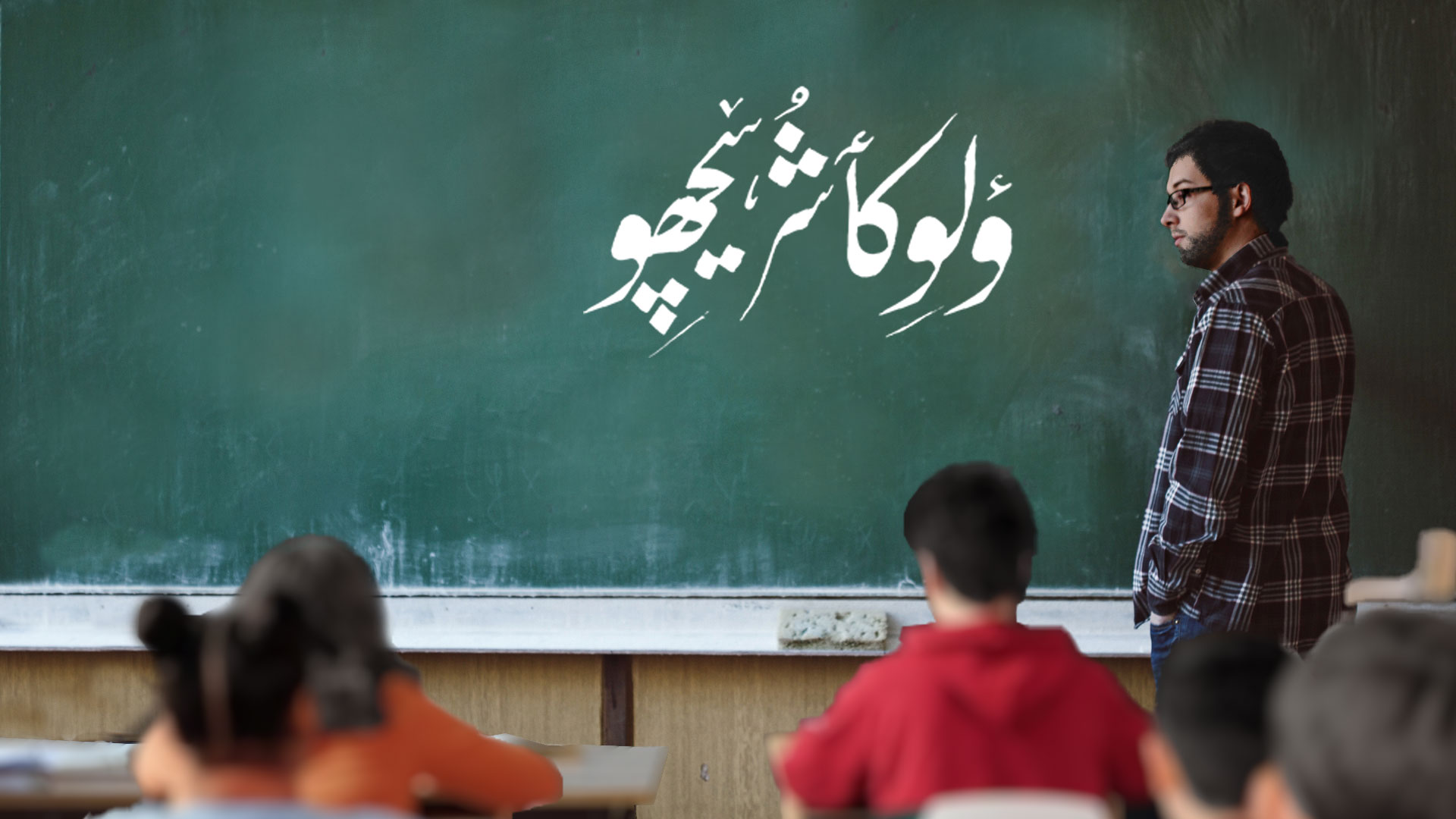 Kashmiri language
One of Nehabiho’s most touching videos is about child vaccination and patient care in Sweden. She contrasts the way children are treated in Swedish healthcare settings—where there is a clear emphasis on care, love and making the experience as comfortable as possible—with the often impersonal and rushed nature of healthcare in Kashmir. Nehabiho’s gentle yet insightful commentary highlights the importance of compassion in medical care, and she calls attention to how small gestures of kindness can make a world of difference in a child’s experience with healthcare. Through her content, she advocates a healthcare system that places people’s emotions and well-being at the centre, rather than just focusing on the clinical aspects of treatment.
Nehabiho’s efforts to keep Kashmiri culture alive despite being far from home are particularly commendable. She does not just share her thoughts; she embodies Kashmiri traditions in her daily routines. One example of this is the way she bids farewell to her children as they leave for school. She says, Naeer gass khudayas Hawaal, a traditional Kashmiri phrase that has been forgotten by many in the valley in favour of English expressions.
This simple act, capturing the essence of Kashmiri culture, serves as a beautiful reminder of the importance of maintaining one’s cultural and religious identity. It also shows the power of language in preserving cultural values that might otherwise fade over time. By using her platform to promote these small but significant aspects of Kashmiri life, Nehabiho is doing more than just creating content—she is safeguarding a piece of Kashmir’s soul for future generations.
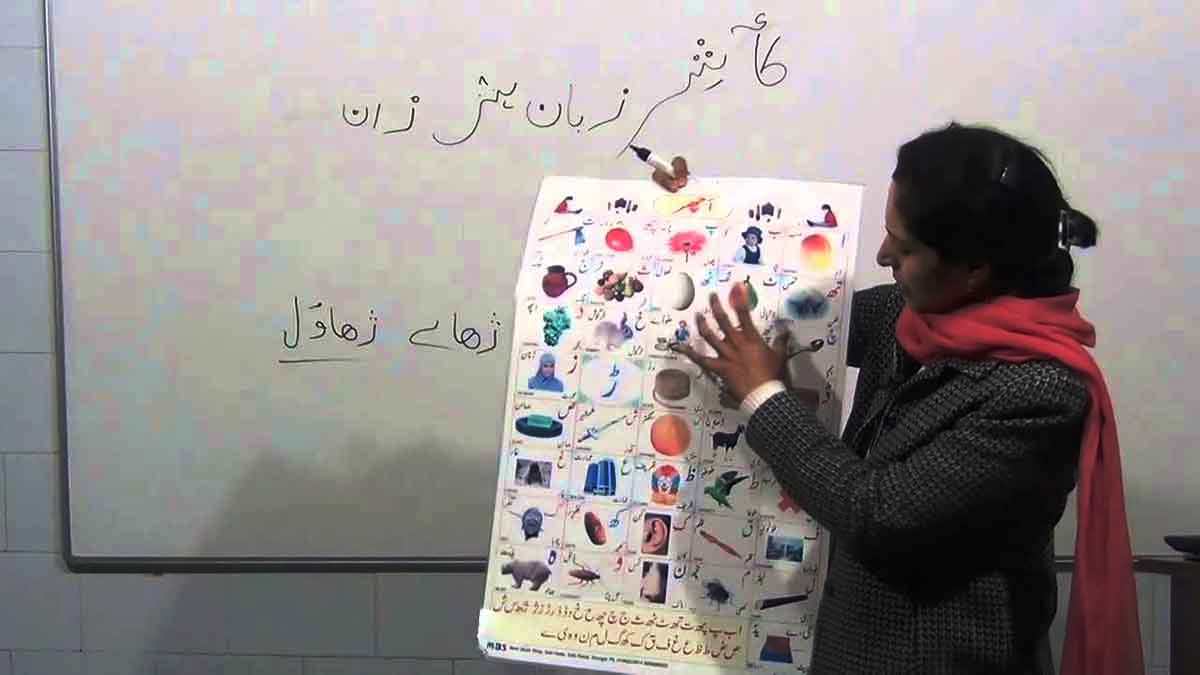 Representational image of a woman teaching Kashmiri language.
Additionally, Nehabiho’s explorations of Swedish tourist destinations offer insightful reflections on how good planning and care can transform even the simplest of places into scenic wonders. In one of her videos, she takes her followers on a tour of a well-maintained park or village in Sweden, drawing a comparison to the lack of infrastructure development in Kashmir’s tourism sector. Kashmir, with its stunning natural beauty, is blessed with incredible potential as a global tourist destination.
However, much of it remains underdeveloped, with little government intervention to promote sustainable tourism or protect the environment. Nehabiho’s content brings attention to this issue and calls for a collective effort to harness Kashmir’s tourism potential, suggesting that small improvements in infrastructure, cleanliness and preservation could make a significant difference in attracting tourists and boosting the local economy.
 Mohsin Shafi
While Nehabiho’s videos are a personal glimpse into her life, they also serve as a quiet but powerful call for change in Kashmir. She encourages the people of the valley to reflect on their own lives, their values and the way they engage with the world around them. Through her small, everyday actions, Nehabiho is making a big impact—not just by showing the differences between Kashmir and Sweden, but by encouraging a more thoughtful, responsible and culturally grounded approach to life. Her work is a reminder that we do not need to make grand gestures or take monumental leaps to create change. Sometimes, it is the small steps, the everyday decisions and the quiet commitment to preserving what we love that make the most profound difference.
Nehabiho’s content is not just about highlighting the contrast between two places; it is about starting a conversation. It is about urging us to think more deeply about our environment, our children’s future and our responsibility to our culture. Whether she is showing the joyful learning experiences of Swedish children, emphasising the importance of using Kashmiri in daily life or highlighting the beauty of simplicity, Nehabiho’s Instagram page is a place where the small, meaningful moments come together to create a powerful narrative that invites us to embrace our heritage and work toward a better, more mindful future.
(The author is a writer with an M Tech in Infrastructure Development and Management. Ideas are personal.)