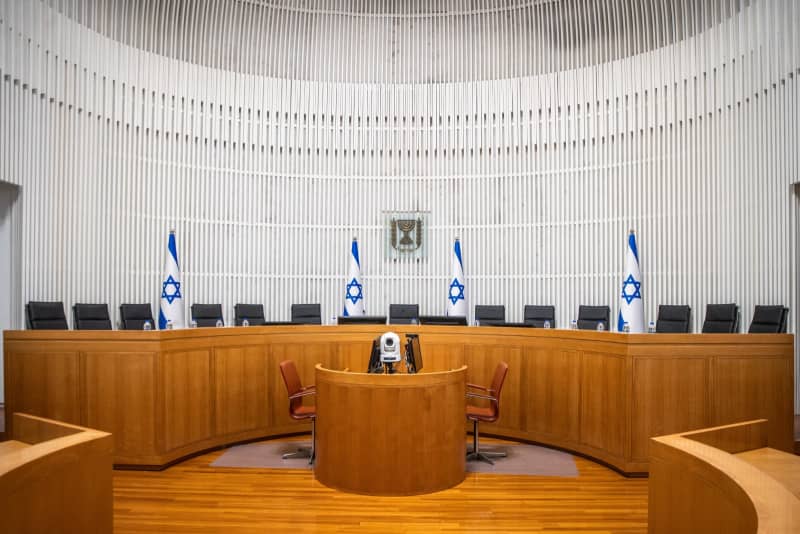
The Tel Aviv petition lands amid a wider public debate over rules governing municipal rabbi elections and the balance of power between local authorities and the Religious Services Ministry.
A cross-faction group of Tel Aviv-Jaffa city council members petitioned the High Court of Justice on Sunday, seeking to halt the scheduled January 6, 2026, election for the city’s chief rabbi, arguing that the Religious Services Ministry effectively bypassed the legally required consultation process over the makeup of the body that elects the rabbi.
According to the petition, the dispute centers on the “electoral assembly” that chooses a city rabbi, which is made up of ministry appointees, and municipal and public representatives.
The council members argue that the ministry forwarded the names of its proposed representatives on short notice and without sufficient biographical information to enable meaningful review – turning the consultation requirement into what they describe as a hollow formality.
The petition was filed after the ministry proceeded with the process despite the council’s decision not to approve the ministry’s proposed representatives, the filing states. The council members are asking the court to rule that the consultation was unlawful and to freeze the election under the current framework.
The court instructed the respondents to file a response by December 24.
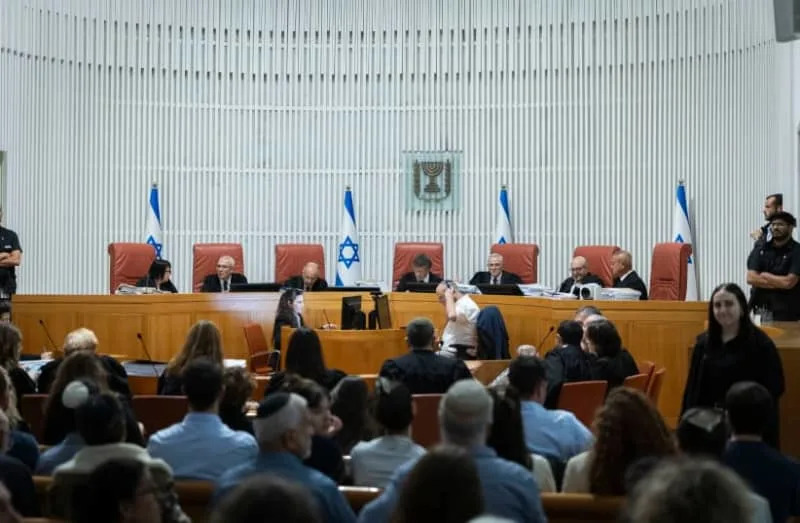
Supreme Court justices preside over a hearing at the High Court of Justice in Jerusalem, December 1, 2025 (credit: CHAIM GOLDBERG/FLASH90)
Back in November, the ministry announced that the election for Tel Aviv-Jaffa’s city rabbi was planned for January 6, 2026, following the convening of the relevant committee at the ministry.
In their filing, the petitioners contend that the ministry’s approach undermined municipal autonomy and the ability of elected city representatives to ensure that ministry nominees reflect the city’s diverse population.
Balancing power between local authorities and religious leadership
The Tel Aviv petition lands amid a wider public debate over rules governing municipal rabbi elections and the balance of power between local authorities and the Religious Services Ministry.
The Israel Democracy Institute warned in 2024 that regulations passed at the time by then-minister Michael Malkieli (Shas) regarding city rabbi elections had increased ministerial influence – and could weaken the link between local communities and their rabbinic leadership.
The petition also comes during a period of political reshuffling in which Justice Minister Yariv Levin was appointed to hold the Religious Services portfolio in addition to other ministerial responsibilities, following the resignation of ultra-Orthodox ministers earlier in 2025.